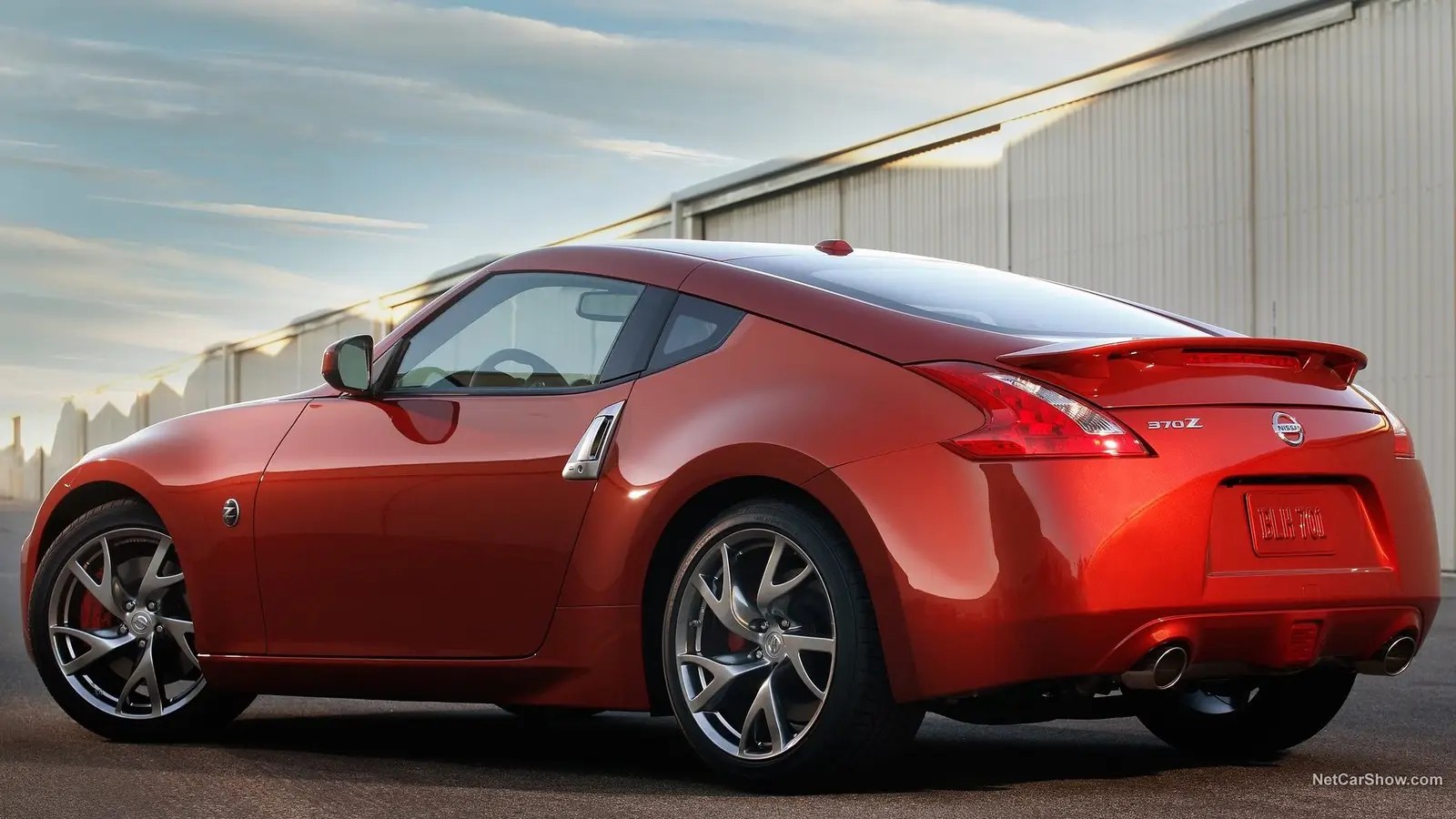
The Nissan 370Z occupies a unique space in automotive history. Produced from 2009 to 2020, it stands as one of the last truly affordable, naturally aspirated V6 sports cars. While many modern performance cars rely on turbocharging and complex electronics, the 370Z is celebrated for its mechanical purity and “analog” driving feel.
However, not all 370Zs are created equal. Because the model underwent various updates and faced specific mechanical hurdles during its twelve-year run, choosing the right model year is the difference between a reliable enthusiast icon and a costly headache.
The Appeal: Performance Meets Practicality
Why does the 370Z remain a top choice in the used market? The answer lies in the balance of its powertrain and its surprisingly low cost of ownership.
- A Proven Engine: The heart of the car is the 3.7-liter VQ37VHR V6. Known for its high-revving character—boasting a 7,500-rpm redline—this engine produces 332 horsepower and 270 lb-ft of torque. Beyond performance, it is remarkably durable; well-maintained examples frequently exceed 200,000 miles.
- Reliability Metrics: Despite its “sports car” label, the 370Z is statistically more reliable than many economy compact cars. It holds a 4.0/5.0 reliability rating from RepairPal, with average annual repair costs of approximately $504.
- The Enthusiast Ecosystem: One of the greatest advantages of owning a 370Z is the massive aftermarket support. Whether you want a track-focused machine or a daily driver, the availability of parts makes maintenance and customization highly accessible.
Which Years to Avoid: The “Early Model” Pitfalls
If you are hunting for a 370Z, the first thing to do is steer clear of the earliest production units.
1. The 2009–2010 Era
The inaugural years of the 370Z were plagued by “first-generation” teething issues. NHTSA data shows these years received the highest volume of consumer complaints. While there were no major recalls, owners frequently dealt with a problematic steering wheel lock mechanism. While this can be fixed relatively cheaply, it remains a sign of the unrefined early production.
2. The 2013–2014 Transition
The 2013 model year introduced a significant facelift, but it brought new mechanical vulnerabilities. Specifically, these years saw frequent clutch slave cylinder failures, which can lead to sudden loss of clutch function. Some 2013 models also faced reports of unexpected brake failures.
Editor’s Note: To ensure maximum peace of mind, it is generally advised to avoid the 2009–2013 window entirely.
The Best Years to Buy: Stability and Refinement
As Nissan refined the platform, the 370Z moved from a “problematic newcomer” to a “polished veteran.”
The Benchmark: 2015
The 2015 model year represents the turning point for the 370Z. By this time, most major mechanical kinks had been addressed. While the clutch slave cylinder issue wasn’t entirely extinct, it became an outlier rather than a common occurrence. This year also introduced the Sport and Sport Tech trims, offering better value by bundling premium equipment like the Aerodynamics Package.
The Reliable Workhorse: 2016–2017
By 2016, Nissan had largely solved the model’s primary reliability issues. For buyers seeking the best “bang for your buck,” a 2017 Touring or Sport Tech with a documented service history is arguably the smartest purchase on the market.
The Premium Choice: 2018–2020
The final three years of production offer the most refined driving experience. The 2018 refresh was particularly significant because it introduced an upgraded clutch for manual models, directly addressing one of the most common long-term complaints from owners.
- 2018+ Upgrades: Darker lighting elements, improved throttle response, and more robust transmission feedback.
- The Collector’s Edge: Because production numbers dropped significantly toward the end of the run, the 2019 and 2020 models are much rarer.
- The 50th Anniversary Edition (2020): This limited edition features a unique red-and-white livery and bespoke interior details. If you view the car as a potential long-term investment, these late-model, low-production variants hold the highest value potential.
Summary Table for Buyers
| Priority | Recommended Years | Reason |
|---|---|---|
| Budget Reliability | 2015–2017 | Most bugs worked out; great value. |
| Ultimate Performance | 2018–2020 | Upgraded clutch and refined electronics. |
| Investment/Rarity | 2020 (50th Anniv.) | Low production numbers and unique styling. |
| Avoid | 2009–2014 | Early production issues and clutch failures. |
Conclusion: To enjoy the 370Z without the stress of frequent repairs, aim for a 2015 model or newer. While the early years offer a lower entry price, the mechanical refinements found in the later models provide a far superior ownership experience.