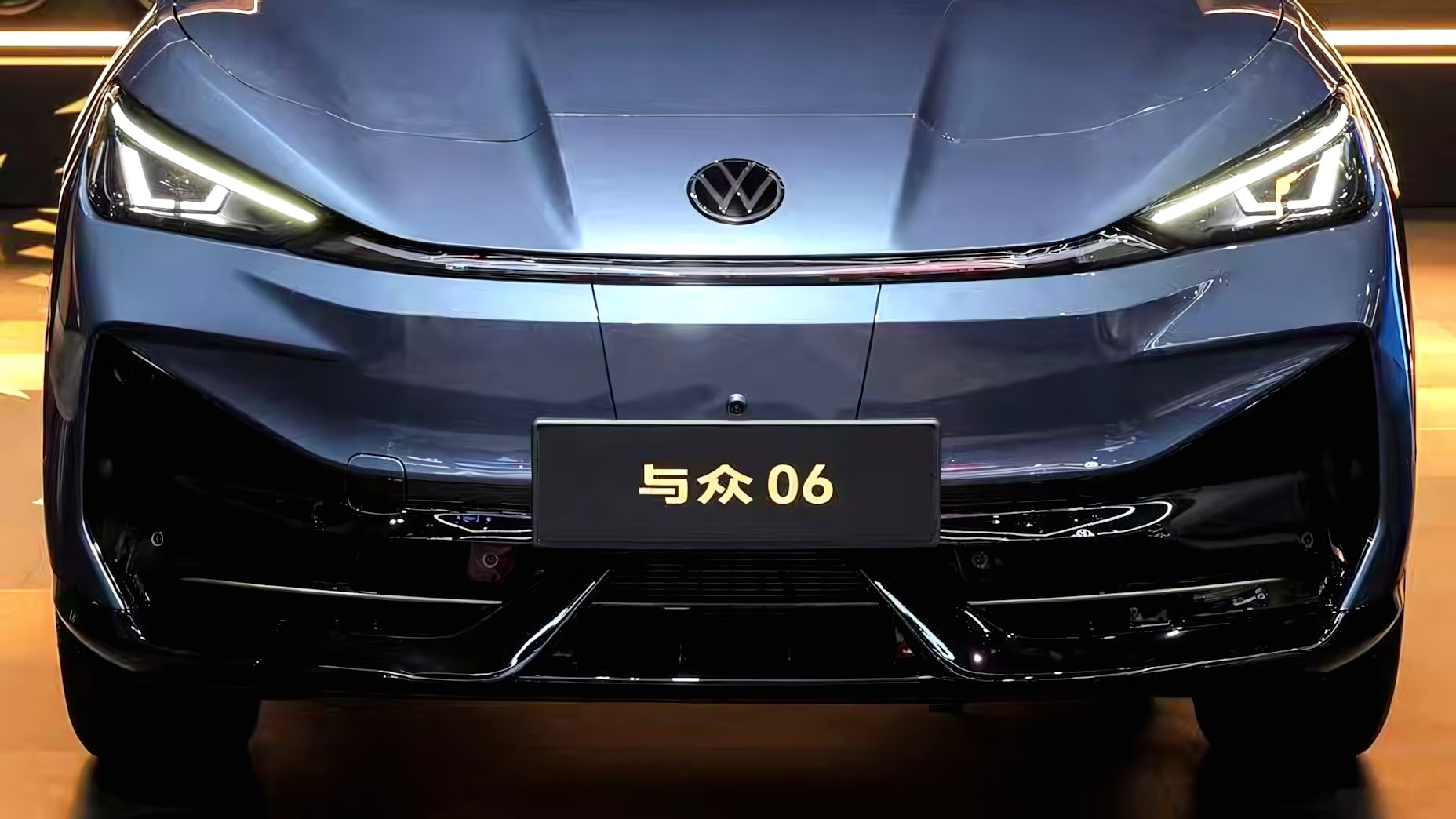
Volkswagen is aggressively leveraging its Chinese operations to develop and export electric vehicles (EVs) at a significantly lower cost than in other regions. While Europe remains excluded, the strategy positions VW to compete more effectively against emerging Eastern automotive brands, and regain lost market share. The key advantage lies in a 50% reduction in development and production expenses, driven by lower labor costs, streamlined supply chains, and faster innovation cycles in China.
The Efficiency of Chinese Production
The German automaker has invested heavily in its Chinese infrastructure, most notably its new research and development center in Hefei. This hub enables parallel software, hardware, and vehicle validation processes, slashing development time by approximately 30%. Traditionally, developing a new EV would take around 50 months; now, VW can achieve this in significantly less time.
According to Thomas Ulbrich, Volkswagen Group China’s chief technology officer, the Hefei facility fosters “an entirely new level of integration.” This means faster decision-making and accelerated innovation. VW has already begun exporting Chinese-built internal combustion engine (ICE) sedans to the Middle East, and is actively exploring similar expansions into Southeast and Central Asia.
Why Not Europe?
Despite the cost benefits, VW has no immediate plans to export these Chinese-made vehicles to Europe. The primary obstacle is incompatibility between the electronic architecture of China-developed cars and stringent European standards. Additionally, tariffs on Chinese EVs would likely negate any cost savings, making the strategy unsustainable in the European market.
VW’s Roadmap in China
Over the next five years, Volkswagen intends to launch 30 new EV models in China. This aggressive expansion is critical for reclaiming market share, where the company currently lags behind domestic competitors in battery-electric and plug-in hybrid sales, despite still dominating ICE vehicle purchases with a 20% share.
The move underscores a broader trend of legacy automakers shifting focus toward their Chinese production networks to stay competitive in the rapidly evolving global EV landscape.
The cost advantage in China is becoming increasingly hard to ignore. VW’s strategy represents a calculated bet on leveraging this efficiency to challenge the established order in key emerging markets.