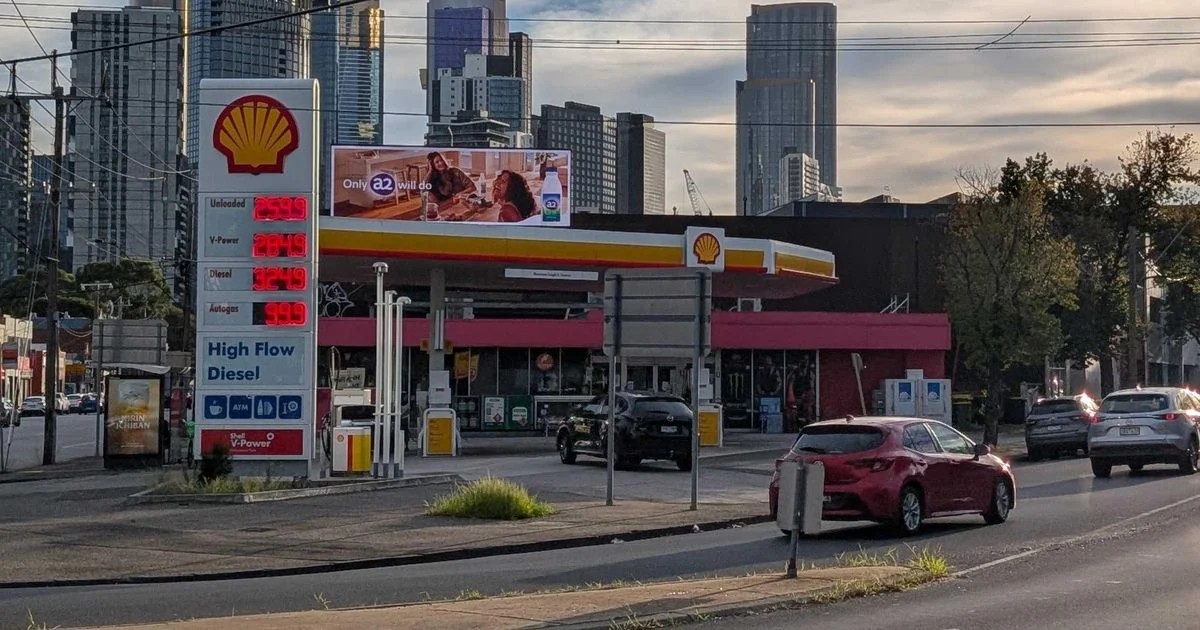
Australia’s recent cut to the fuel excise tax – halving it from 52.6 to 26.3 cents per liter – isn’t translating into cheaper prices at the pump immediately. Despite the measure taking effect on April 1, 2026, averages remain high across the country, leaving drivers frustrated. This delay isn’t a failure, but a matter of how fuel is taxed and distributed.
How the Excise Cut Works (and Why It’s Delayed)
The excise is levied at fuel terminals before delivery to stations. Most fuel currently in tanks was taxed at the higher rate, meaning that savings won’t appear until lower-taxed shipments reach consumers. Experts like Rowan Lee from the Australasian Convenience and Petroleum Marketers Association estimate this could take “a few days” in busy areas, but “a week or two” in remote regions.
This lag is a fundamental part of the system: the cut doesn’t retroactively apply to existing stock. It only takes effect on new fuel leaving terminals.
Current Price Snapshot
As of March 27, 2026, average petrol prices in capital cities were $2.53 per liter, with Darwin at $2.57. Perth saw the biggest jump, up 92.2 cents in four weeks to $2.57. Diesel averaged $3.03 nationally, peaking at $3.29 in some areas.
These numbers highlight the urgency of the cut and why consumers expected faster relief. The excise reduction would save around $14.47 on a full 55-liter tank (like that of the best-selling Toyota RAV4 hybrid), but that benefit isn’t visible yet.
Government Response and Oversight
The federal government has empowered the Australian Competition and Consumer Commission (ACCC) to monitor retailers, aiming to ensure savings are passed on. Federal Treasurer Jim Chalmers has warned against price gouging, stating regulators should act “like a tonne of bricks” against any abuse.
Alongside the excise cut, the government has secured fuel supply by unlocking domestic reserves, temporarily lowering quality standards, and guaranteeing imports. Prime Minister Anthony Albanese confirmed all scheduled March shipments arrived, with replacements already in place for April.
Supply Concerns Remain
Despite government assurances, 457 service stations nationwide were out of diesel, and 125 lacked unleaded petrol as of March 31. Though these shortages haven’t triggered further emergency measures (like rationing), they underscore ongoing supply chain vulnerabilities.
The excise cut is a necessary step toward easing fuel costs, but its impact won’t be immediate. The delay is inherent in the distribution system, and the government is relying on oversight and supply-side measures to ensure savings reach consumers.