Peugeot представляє Concept 6 і Concept 8: погляд в електричне майбутнє бренду
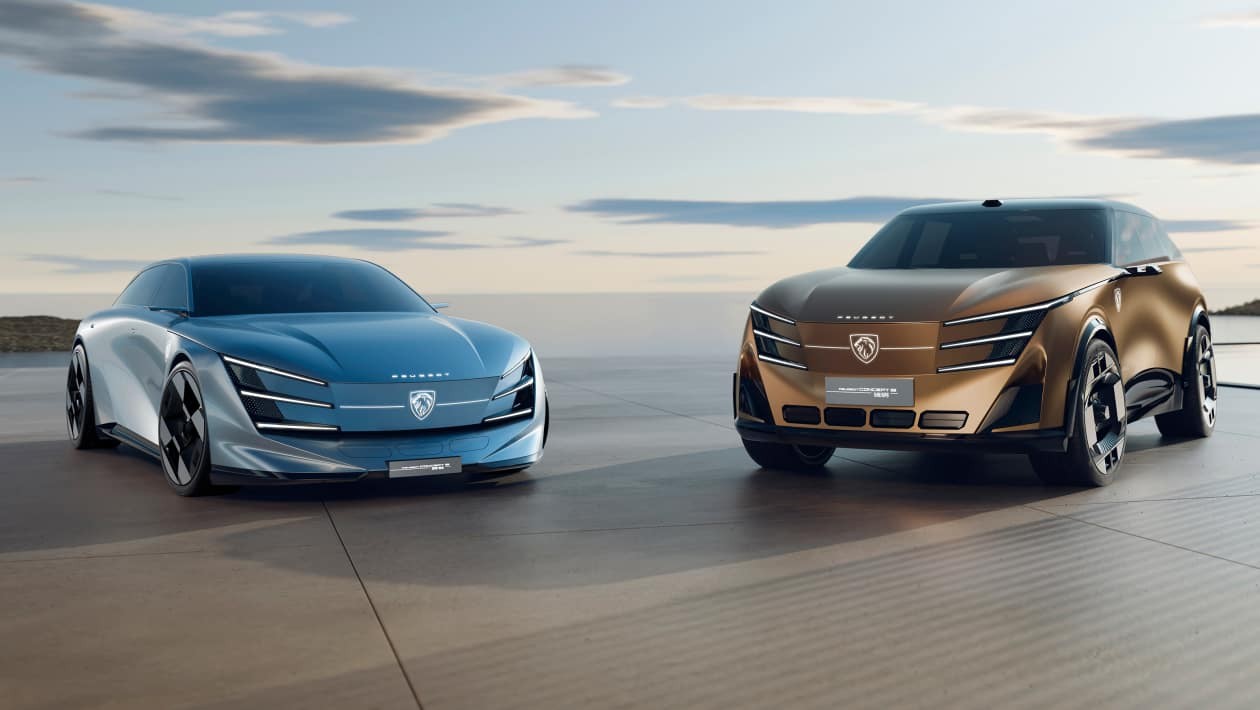
Peugeot стала центром уваги на автосалоні в Пекіні, представивши два ефектні концепт-кара, які сигналізують про масштабне зрушення в дизайні та продуктової стратегії бренду. За допомогою Concept 6 та Concept 8 Peugeot демонструє майбутнє, що визначається витонченими електричними силуетами та експансією у більші та преміальні сегменти автомобілів.
Переосмислення седана та позашляховика
Ці два концепти заповнюють конкретні прогалини в поточному та майбутньому модельному ряді Peugeot:
** Concept 6 (Елегантний наступник): ** Ця модель виступає в ролі духовного спадкоємця Peugeot 508. З тих пір як седани та універсали (SW) моделі 508 були зняті з виробництва в 2024 році, Peugeot шукав спосіб переосмислити сегмент повнорозмірних автомобілів. Concept 6 намагається заповнити цю нішу, поєднуючи формальну елегантність традиційного седана зі спортивним та агресивним профілем “шутинг-брейка”.
* Concept 8 (Новий флагман): Націлений зайняти позицію вище за нинішній 5008, Concept 8 уособлює амбіції Peugeot конкурувати на ринку висококласних позашляховиків. Він спроектований так, щоб підкреслити міць, простір у салоні та динаміку водіння, відкриваючи новий розділ у лінійці SUV бренду.
Мова дизайну та електрична ДНК
Обидва автомобілі об’єднані єдиною естетикою, що підкріплює сучасну ідентичність Peugeot. Ключові елементи дизайну включають:
– Фірмова оптика: Мотив фар «левиний кіготь» та трисмугові задні ліхтарі чітко простежуються в обох моделях.
– Мінімалістична аеродинаміка: Відсутність традиційних повітрозабірників у передній частині переконливо доводить, що обидва автомобілі є цілком електричними.
– Чистота ліній: Кузов гладкий та лаконічний – характерна риса сучасного дизайну електромобілів, спрямована на зниження лобового опору та підвищення ефективності.
«Китайський фактор» та глобальні наслідки
Хоча генеральний директор Peugeot Ален Фаві заявив, що ці концепти призначені як для китайського, так і світового ринків, низка технічних деталей вказує на сильний акцент саме на китайську автомобільну екосистему.
Важливим індикатором є наявність лідарів (LiDAR) на даху Concept 8. Лідар — критично важливий компонент для передових технологій автономного водіння, які в даний час розвиваються стрімкими темпами і мають високий споживчий попит у Китаї.
Крім того, виробництво цих моделей, ймовірно, слідуватиме специфічному регіональному шляху:
1. Локальне партнерство: Замість використання європейських платформ STLA від Stellantis, очікується, що ці автомобілі будуть базуватись на платформах від Dongfeng.
2. Виробництво: Ймовірно, що виробництво буде здійснюватися компанією Dongfeng Peugeot-Citroën — давнім спільним підприємством французького автовиробника та китайського гіганта.
Ця стратегія підкреслює зростаючий тренд в автомобільній промисловості: глобальні бренди все частіше розробляють технології та платформи спеціально для конкретних регіонів, щоб відповідати унікальним вимогам китайського ринку, який найчастіше випереджає Європу з питань електрифікації та програмного забезпечення для автономного водіння.
Представлення Concept 6 і Concept 8 знаменує перехід Peugeot від традиційних двигунів внутрішнього згоряння до високотехнологічної лінійки, орієнтованої насамперед електротягу і створеної для глобальної, технічно підкованої аудиторії.
Підсумовуючи: Peugeot використовує партнерство з Dongfeng для розробки складних електричних моделей, що поєднують елегантність європейського дизайну з передовими китайськими автомобільними технологіями.