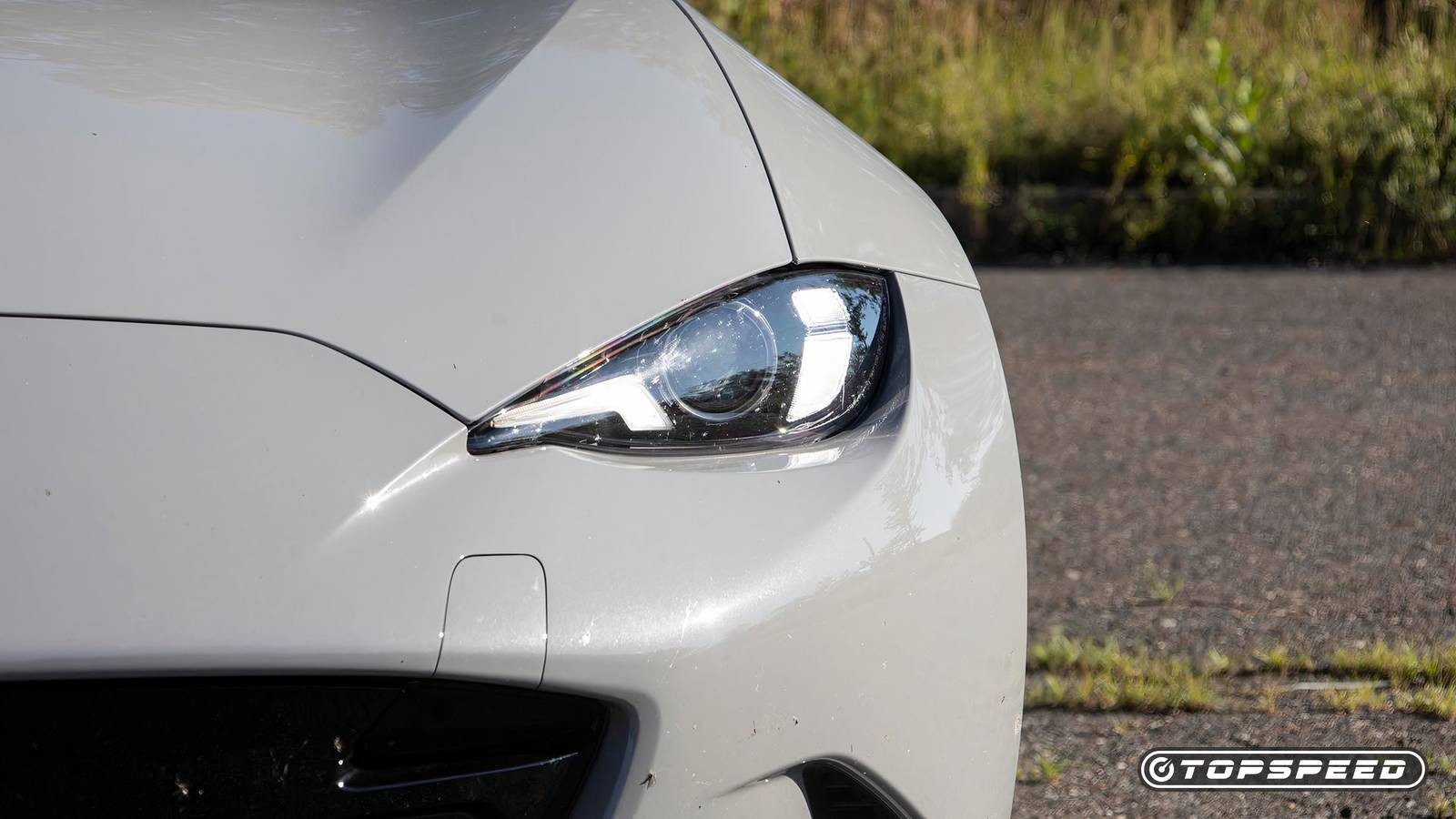
While the broader automotive industry shifts toward heavy SUVs and electrified commuters, one Japanese icon is doing the unthinkable: it is growing. As the U.S. market navigates a complex landscape of rising costs and changing consumer priorities in 2026, the Mazda MX-5 Miata has emerged as a resilient anomaly, proving that there is still a profound hunger for pure, driver-centric machines.
The Shrinking Space for Enthusiast Cars
The traditional sports car is facing a “perfect storm” of challenges in the United States. Several factors have contributed to the segment’s transition from mass-market staple to niche luxury:
- The Utility Pivot: Modern consumers increasingly prioritize high-riding, versatile vehicles that offer space and comfort for daily life.
- The Performance Gap: As standard sedans and crossovers become more powerful, the “performance gap” that once made entry-level sports cars special has narrowed.
- Economic Barriers: Surging production costs, advanced safety requirements, and complex technology have driven up prices, often pushing these vehicles out of reach for younger, budget-conscious buyers.
In a market where every dollar is expected to provide maximum utility, the specialized, less practical nature of a two-seater roadster makes it a difficult sell for the average consumer.
The Japanese Philosophy: Connection Over Raw Power
Japanese manufacturers have historically approached performance differently than many Western brands. Rather than focusing solely on chasing higher horsepower numbers, brands like Mazda emphasize meticulous craftsmanship and driver-centric engineering.
The goal is to create a vehicle that acts as an extension of the driver. This is achieved through:
– Lightweight construction to minimize inertia.
– Intuitive ergonomics that place controls within easy reach.
– Balanced chassis dynamics that prioritize tactile feedback and predictability over brute force.
This approach has turned many Japanese sports cars into more than just transportation; they are viewed as reliable, high-performance tools that bridge the gap between daily usability and weekend thrills.
A Statistical Anomaly: The Miata’s Resurgence
Despite being in its tenth year of the current generation, the 2026 Mazda MX-5 is not fading away—it is accelerating. While many niche models see declining interest, the Miata is seeing significant sales growth:
- 2025 Performance: U.S. sales rose by 7.7%, totaling 8,727 units.
- 2026 Momentum: In Q1 2026, Mazda reported a staggering 30.7% year-on-year sales increase, moving 2,446 units.
This growth suggests that the Miata has successfully cultivated a “loyalty narrative,” converting pragmatic buyers into passionate enthusiasts who value the emotional experience of driving over sheer utility.
Engineering the “Jinba Ittai” Experience
The MX-5’s success is rooted in its mechanical simplicity and precision. Unlike many modern cars that rely on heavy electronic assists, the Miata focuses on a “gram-focused” engineering strategy.
Power and Control
The vehicle utilizes a 2.0-liter Skyactiv-G four-cylinder engine, producing 181 horsepower and 151 lb-ft of torque. While the numbers may seem modest compared to modern supercars, the power is delivered to a lightweight chassis that weighs as little as 2,332 pounds.
Key mechanical highlights include:
– Perfect Balance: A nearly 50/50 front-to-rear weight distribution.
– Precision Handling: An independent double-wishbone front suspension and multi-link rear setup.
– Driver Connection: A limited-slip differential (a return to the model seen in the second-generation NB) helps maintain stability through tight corners.
This synergy between car and pilot is what Mazda calls Jinba Ittai —the feeling of the horse and rider becoming one.
Reliability and Value
The market’s affection for the Miata is reflected in its high consumer ratings. Data from various automotive evaluators highlights a consistent pattern of satisfaction:
– J.D. Power: Scores the model highly for resale value (85/100) and reliability (76/100).
– Edmunds: Maintains a high 4.7/5 average rating from owners, praising its design and driving experience.
– iSeeCars: Notes an impressive 8.7/10 for retained value, a critical metric for any vehicle in a volatile economy.
Conclusion
The Mazda MX-5 Miata’s continued growth proves that even in a market dominated by utility and electrification, there is a permanent, profitable place for specialized, emotional driving experiences. By prioritizing lightweight precision over raw power, Mazda has turned a niche product into a timeless industry benchmark.