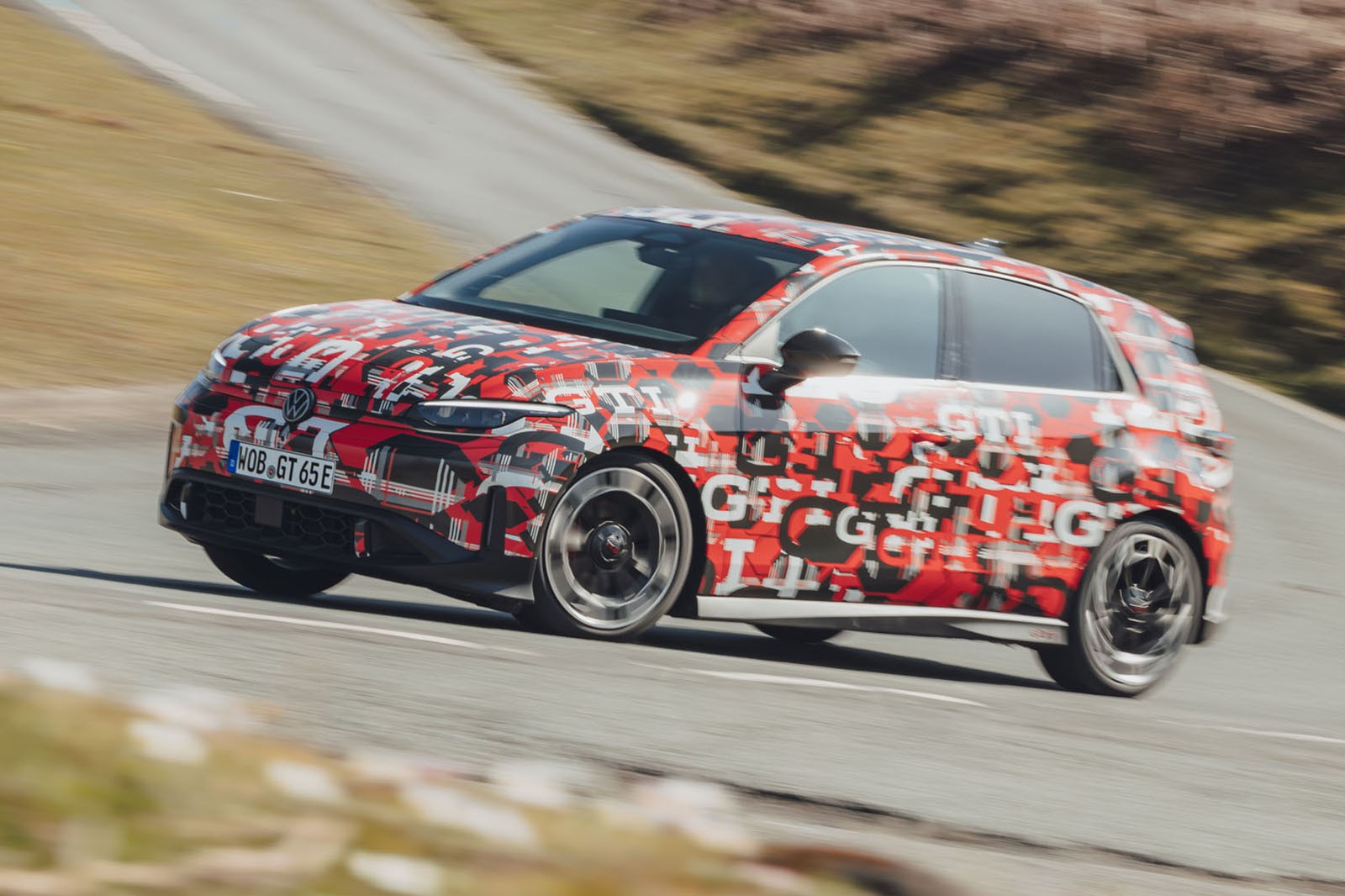
Volkswagen has long struggled to electrify its most iconic badge. For decades, the GTI nameplate was the undisputed king of hot hatches, representing accessible performance and driving joy. However, as the automotive industry shifted toward electric vehicles (EVs), Volkswagen’s attempts to translate this legacy into the digital age felt hesitant and diluted.
Previous efforts, such as the GTE (plug-in hybrids) and GTX (electric performance variants of the ID.3, ID.4, and ID.7), were perceived as cautious compromises. They kept the “GT” spirit alive but lacked the emotional punch and distinct identity of the original Mk1 Golf GTI launched in 1976. Critics argued that these models were merely updated versions of existing platforms rather than bold new chapters for the brand’s performance heritage.
That era of hesitation appears to be over. In a significant strategic shift, Volkswagen is launching the ID Polo GTI, a vehicle that signals a serious commitment to making electric mobility central to its identity, rather than peripheral.
A Bold New Direction
The seventh-generation Polo, arriving later this year, is going fully electric. By prefixing the name with “ID,” Volkswagen is clearly marking its transition, yet the vehicle retains the core DNA of the Polo. This model represents a broader corporate strategy: EVs are no longer just an alternative option but the foundation of Volkswagen’s future portfolio.
The standout feature, however, is the performance variant. Unlike previous electric hot hatches that wore the GTX badge, this model proudly wears the GTI name. This is not just a marketing tweak; it is a statement of intent. Volkswagen is aiming to recreate the essence of the classic GTI: a desirable, everyday supermini that offers supercar-like acceleration without sacrificing usability or comfort.
Key Insight: The ID Polo GTI is designed to be a “regular, versatile, everyday car with superpowers.” It aims to avoid the common EV pitfall of being high-strung or difficult to drive, focusing instead on a balanced, engaging experience.
First Look and Development
The ID Polo GTI is currently in the final stages of software tuning. During a recent exclusive preview in the Brecon Beacons, UK, Autocar became the first publication in the world to drive the vehicle. The development team, led by Florian Umbach, Volkswagen’s head of driving dynamics, traveled to the UK with a clear goal: to ensure the car meets the high standards expected of a GTI.
Despite the sunny conditions of the preview, the car is not yet ready for public sale. The timeline for availability is as follows:
- Germany: Final weeks of 2026
- United Kingdom: Spring 2027
This delay allows engineers to refine the software, ensuring that the driving dynamics are sharp, responsive, and true to the GTI legacy. The focus is on creating a vehicle that feels natural and intuitive, bridging the gap between traditional combustion-engine handling and electric propulsion.
Why This Matters
The launch of the ID Polo GTI is a critical test for Volkswagen. If successful, it could redefine how consumers perceive electric performance cars. It challenges the notion that EVs are purely utilitarian or silent appliances, instead positioning them as emotionally engaging driving machines.
By reviving the GTI badge for an electric vehicle, Volkswagen is betting that the emotional connection drivers have with the brand’s history can be successfully transferred to new technology. This move raises important questions about the future of hot hatches: Can software-tuned electric powertraces replicate the soul of a turbocharged engine?
Conclusion
The VW ID Polo GTI represents a pivotal moment for Volkswagen, marking the end of its cautious approach to electric performance. By combining the iconic GTI heritage with modern EV technology, the company aims to deliver a vehicle that is both a practical daily driver and a genuine enthusiast’s car. Its success will largely determine whether Volkswagen can truly lead the next generation of performance vehicles.