


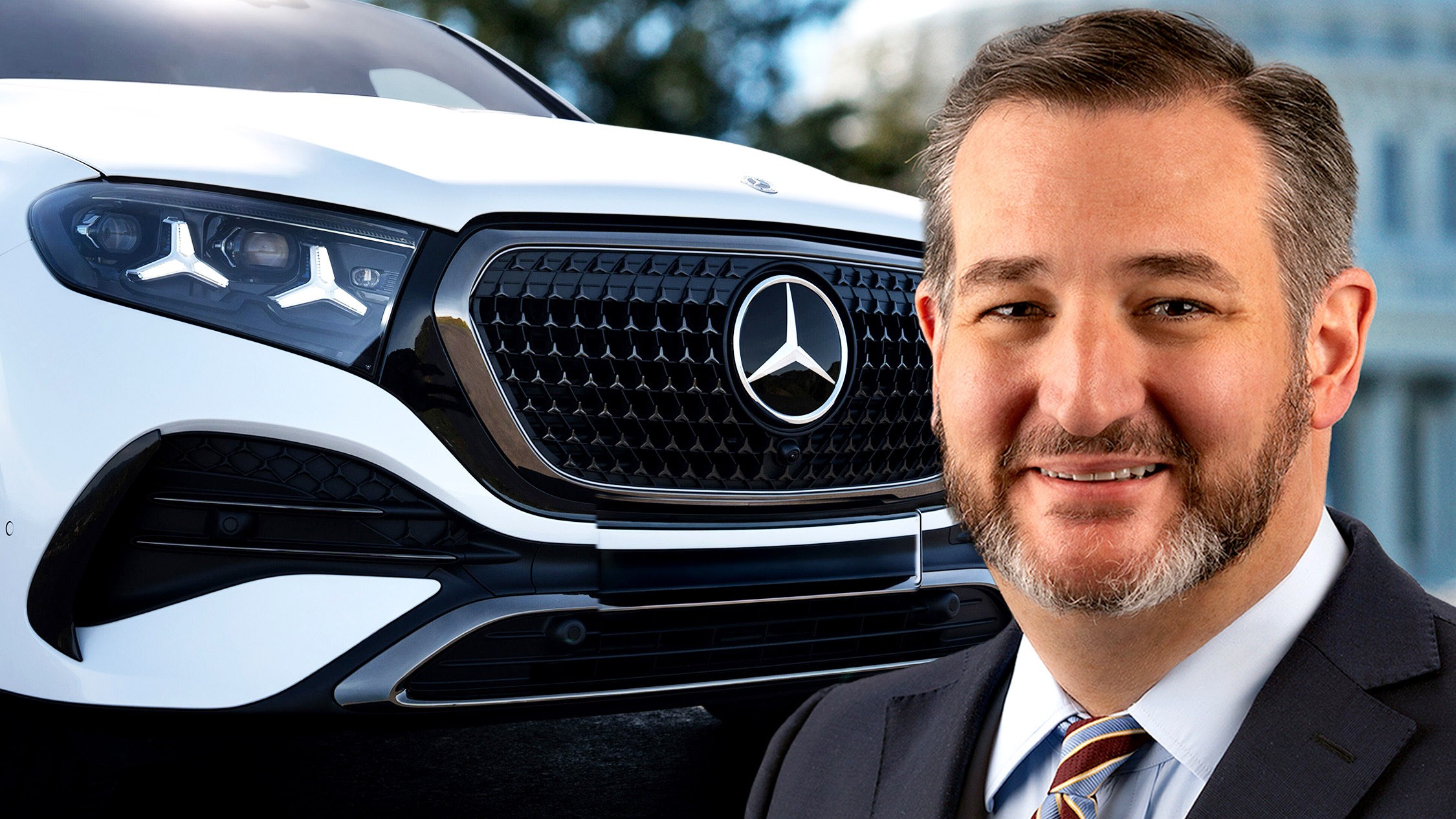
It’s been a long road since 1954. Then it was Mercedes’ ties to Nazi Germany that raised eyebrows in America. Today? It’s Beijing. The US government wants to keep Chinese-linked automakers out of its market. And in a twist that would make a screenwriter proud, the German luxury brand is suddenly in the crosshairs.
A new Senate proposal aims to block companies with Chinese ownership stakes. Mercedes has two major investors in China. BAIC. Geely. Combined, they own just under 20% of the company.
That’s a problem. The proposed rule sets a limit at 15%.
Seventy-five percent of Mercedes is American-owned in practice? Maybe. But the letter of the law cares about the shareholders. And the shareholders include state-owned giants.
Senator Ted Cruz sees the trap. He knows the collateral damage. During committee discussions, he reportedly told colleagues they would “never consider” banning Mercedes-Benz. Not him. Not his Senate seat. Not with Texas voters.
How The Chinese Ownership Ban Works (And Why Mercedes Is Caught)
The bill targets vehicles with Chinese ownership above a specific threshold. Mercedes falls just over it. BAIC holds a stake. Li Shufu, the founder of Geely, holds another. Together, they clear the 15% bar set by US lawmakers.
But panic buying at dealerships is premature. The law isn’t a guillotine. Not yet.
Senator Bernie Moreno clarified the timeline. Mercedes won’t be banned tomorrow. They have until 2030. That’s six years to fix their cap table or seek exemptions.
So while the threat is real, the ban is theoretical. For now.
We would never consider [banning Mercedes-Benz].
— Senator Ted Cruz, regarding the Senate Commerce Committee’s legislation.
This isn’t about quality. It’s about data. And control.
Why Chinese Software Is Being Blocked From US Cars
The US government isn’t just worried about who owns the factory. They’re worried about who owns the data. Connected-car rules are tightening.
The Biden administration moved first. Polestar was forced out of America earlier this year. Geely owns most of Polestar. That’s a direct hit. The message was clear.
But it gets stricter. Chinese connectivity software is banned from 2027 model vehicles. Chinese hardware follows in 2030. National security concerns drive the push. Vehicle data flows. Communications systems link to foreign servers. That’s a red line for Washington.
Mercedes sits in a gray zone. Its primary shareholders are Chinese-linked. But its operations? German-led. American-sold. The distinction matters to Cruz. It matters to Moreno. But it doesn’t change the software rules. If Mercedes uses Chinese hardware in its smart car systems by 2027, they’ll be blocked. Regardless of who owns the stock.
What This Means For The Mercedes Brand In America
The political wrangling protects the badge. It doesn’t protect the backend code.
Cruz’s intervention is a lifeline. A verbal shield against the ownership ban. Mercedes dealers will likely keep selling S-classes and G-Wagons. The showrooms won’t be bulldozed. Apartment complexes won’t rise where the lots used to stand.
But the 2027 deadline looms. If Mercedes relies on Chinese tech for its connected features, they’ll have to pivot. Or leave. Like Polestar did.
There’s a difference between owning the company and powering the car. The US cares about both now.
Six years until 2030 is a long time. But in the tech world, it’s an eternity. Mercedes needs a clean supply chain. Or at least, one that doesn’t trace back to Beijing.
For now, the ban is a threat. Not a reality.
But threats change. Laws don’t wait. And the data in your glove compartment? It’s moving faster than the legislation can catch up.


