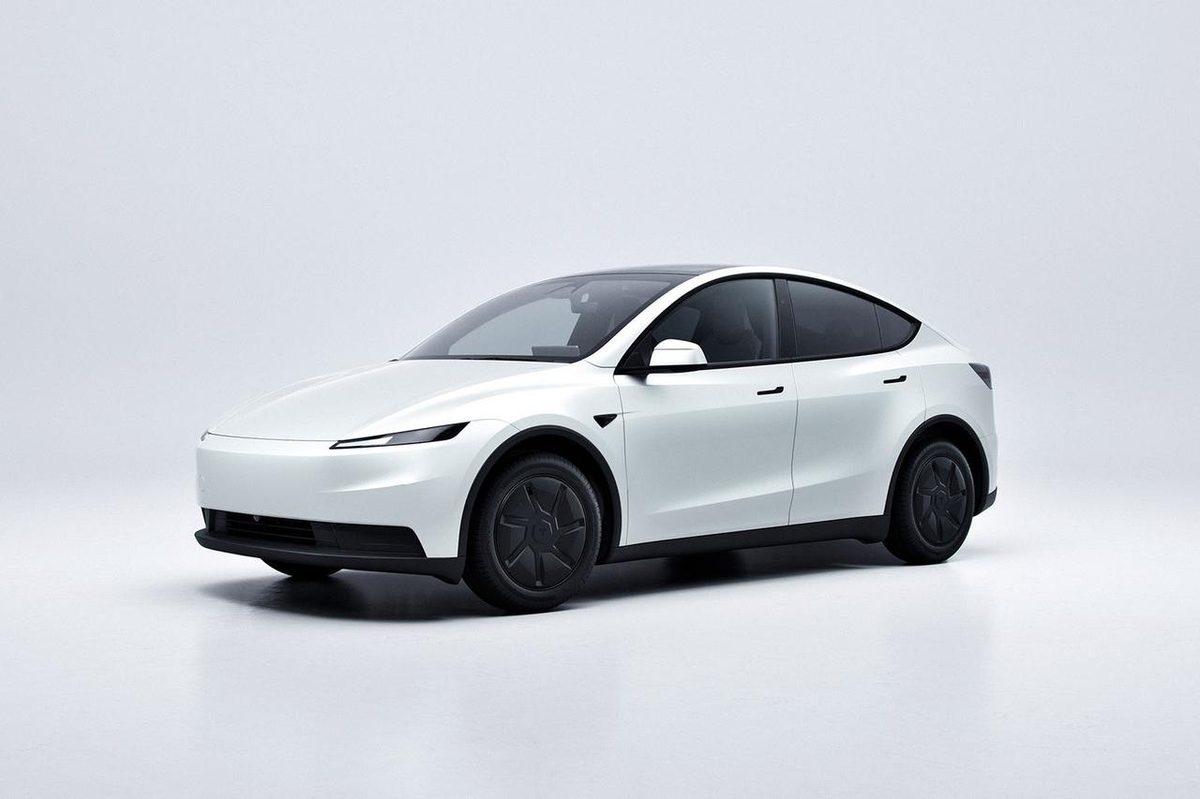
Sales for the Tesla Model Y took a hit in France last year, shedding roughly 33% of its volume compared to 2024. We are talking about a drop from the previous year’s tally of just over 19,200 units. The reasons are multifaceted. Market saturation is real. Then there is the political noise surrounding Elon Musk. That drama has driven away a segment of buyers who previously would have lined up without blinking.
Tesla is not panicking. It is pivoting. The strategy is simple: lean harder into the SUV line. If you want a slice of the electric pie right now, this is where they are focusing their fire. To make that happen, they introduced new trim levels at the end of last year. This mirrors the strategy of every legacy automaker trying to survive.
The new entry-level reality
There is now a Standard trim. It sits at the bottom of the food chain. Above it is the Premium level, which holds the equipment list most people expect from a Tesla. Then there is the Performance trim. That one is strictly for the motor enthusiasts. It keeps the sporty motorization intact for those who care about lap times over budget.
The real story here is the pricing. Tesla has pushed the entry-level Standard Propulsion edition to a price point of €39,990. That is a deliberate move. It is designed to be accessible. Affordable.
This new low-tier model has effectively retired the old base Propulsion version. That older trim used to come bundled with the Premium equipment level. Now, there is a massive gap between the new €39,990 Standard entry and the Long Range Propulsion version.
Why create such a wide chasm between the cheapest and the next step up? It forces a decision. Do you want the bare minimum to get an electric car on the road? Or do you need the range to justify the jump? The Standard trim strips away options to hit that psychological sub-€40k barrier. It is a blunt instrument. But in a market where competition is tightening, blunt instruments sometimes work best.
The long-term impact on brand loyalty remains unclear. The Musk factor is a variable that changes daily. But the car itself? It is cheaper. That is a concrete fact. Whether that price drop is enough to offset the political fatigue is the question buyers are asking themselves right now. The data from last year suggests it might not have been. But with the new Standard trim, the calculus shifts. We will see if the volume rebounds in the coming quarters.

Tesla is adjusting its lineup with the Model Y Long Range RWD. It’s a stripped-down version of the Long Range AWD, designed to lower the sticker price. The name is clunky, but the strategy is clear.
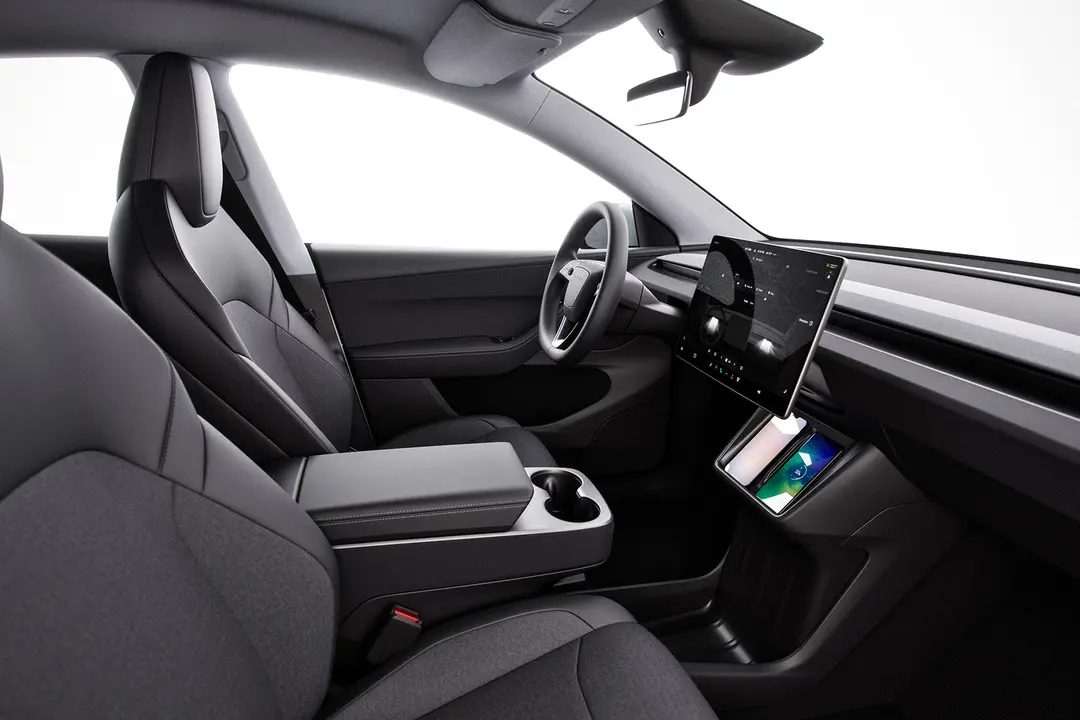
The exterior is unexciting. You get smaller wheels. A bland front fascia. The real cost-cutting happens inside.
The seats are cloth. The panoramic roof is there, but covered by a headliner. The rear screen is gone. You adjust your seats using only the center touchscreen. Front ventilation? Deleted. Rear heating? Gone. Armrest pockets? Removed.
What You Sacrifice for the Savings
This is the most austere Model Y available.
Under the floor sits a single rear motor. Tesla doesn’t publish power figures. They never do. But acceleration tells a different story.
The 0-100 km/h time is 7.2 seconds. That’s identical to the base model. It’s significantly slower than the 5.6 seconds claimed by the Long Range AWD Premium trim.
The Range Trade-off
Battery capacity remains a secret. Tesla keeps those specs under lock and key.
However, the math adds up. Smaller 18-inch wheels. Fewer electronic features. Less weight. The result is a WLTP range of 657 kilometers. That beats the 622 kilometers of the more expensive Premium version.
Why does stripping features increase range? Aerodynamics and rolling resistance play a bigger role than you might think. The wheels matter. The lack of heated seats means less electrical load.
In the real world, the difference is negligible.
You’re paying less for a car that drives slower and offers fewer comforts. But it still goes far. For some buyers, that’s enough. For others, the missing rear screen is a dealbreaker.
It’s a specific choice. One that might not appeal to everyone. But it fills a niche.
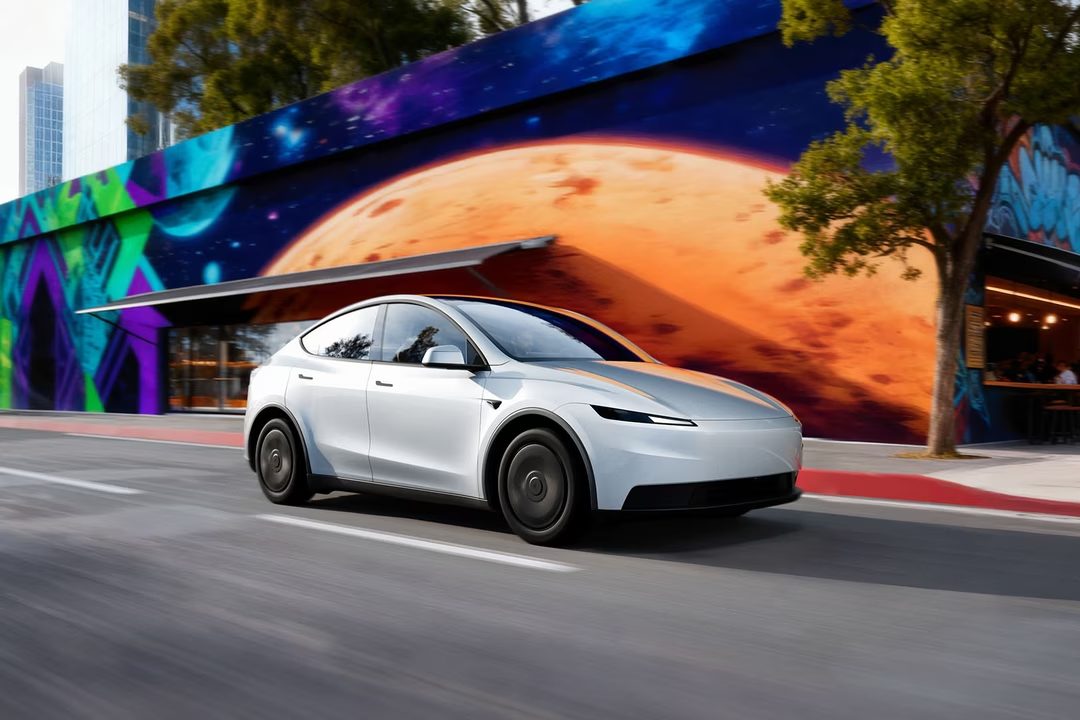
The efficiency numbers are genuinely staggering. We are looking at a homologated consumption figure of 12.7 kWh/100 km for the new Tesla Model Y variant. It is currently the most frugal version of the car ever produced. And that is not just within its own lineage. It is one of the least thirsty electric vehicles across all categories.
Compare that to the competition. The most efficient Hyundai Inster—the smaller city EV—is rated at 14.9 kWh/100 km. The Model Y beats it. For a mid-size SUV, that score is absurd. It suggests aerodynamics and powertrain tuning have reached a level of precision that most rivals haven’t touched yet.
But here is where the logic breaks.
The pricing strategy for this high-efficiency version feels fundamentally flawed. Tesla is asking for €44,990. Why does that matter? Because it is only €2,000 cheaper than the Premium trim.
The Premium Trim Value Proposition
Let’s look at what you lose when you drop to the base efficiency model. The Premium version draws more power. It is more gourmand. But it comes significantly better equipped.
In the EV market, €2,000 is a marginal gap. It is barely the cost of a good battery pack upgrade or a high-end audio system. Yet, by opting for the most efficient Model Y, you are essentially paying full Premium price for a stripped-down interior. You get the range. You get the low running costs. But you likely miss out on the premium seats, the better sound system, or the advanced driver-assist hardware that defines the “Premium” badge.
Is Efficiency Worth the Compromise?
Most buyers looking at a Tesla aren’t just chasing efficiency numbers. They want the package. If the efficiency gain doesn’t come with a significant price drop, the value proposition evaporates.
Think about the total cost of ownership. Sure, saving 2.2 kWh/100 km over a 100,000 km lifespan saves you money on electricity. But does that offset the lack of comfort and tech features you paid nearly the same for?
The engineering achievement is real. The efficiency benchmark is set. But the market positioning? It leaves a lot to be desired. You are buying the car’s best technical trait while sacrificing the very things that make daily driving pleasant.
Does a lower kWh rating justify a higher stress-to-comfort ratio? Probably not for the average buyer. The efficiency king has a crown, but it feels heavy and slightly out of place.