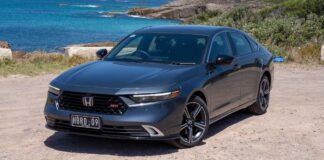
Sports vehicles have attracted attention. It’s not just a vehicle anymore. It’s a lifestyle brand. They can be seen everywhere from city traffic roads to mountain roads, dominating the landscape of car parks. It has a commanding driving position, plenty of room for food and gear, and a rugged exterior that looks good even when parked at the grocery store.
But here’s the problem. The market was flooded. All manufacturers are jumping on this bandwagon. Dealerships are lined with metal boxes on wheels that look similar from afar. How do you cut through the noise? How can I choose a car that really fits my life without spending too much money or sacrificing the joy of driving?
Most people walk into a car dealership just to test drive the most beautiful car. This is wrong. Choosing the perfect SUV involves more than just liking the color. You need to understand what you really need and what you think you need. Here are five basic steps to make sure you choose the right machine.
Define actual usage
Don’t think about hypothetical adventures that might happen five years from now. Let’s think about this week. Do you need to transport a kayak? Do you have three child seats that need to be installed in the back? Or do you mainly drive on paved roads and occasionally drive on dirt roads?
The SUV label is too wide. You need to narrow it down.
- Crossovers vs. Traditional SUVs: Many modern “SUVs” are actually crossovers. Because it has a unibody construction, you can drive it like a car. It’s comfortable, fuel efficient and easy to park. If you live in a city, this might be the best option.
- Body-on-Frame: These are camouflaged trucks. Designed for heavy towing and serious off-road use. They’re bulky and have poor fuel mileage, but they unstoppable in mud or snow.
If you’re just driving to work or the gym, a heavy, body-on-frame SUV can be overwhelming. It will punish your wallet at the pump and are difficult to operate in tight spaces. Be honest about your terrain.
Pay attention not only to the exterior but also to the interior
Design is marketing. The interior is very practical. You spend thousands of hours in that cabin. Does your lower back hurt? Are the buttons placed where your fingers naturally rest, or do you have to play hide and seek to adjust the climate?
Check the trunk. If you are comparing specific models, look for Litre capacity. The 500-liter trunk is perfect for weekend trips. The 200-liter trunk is barely enough for weekly shopping.
“The best SUVs are the ones that are so practical that you forget they’re SUVs.”
Don’t just sit in the driver’s seat. Please sit in the back. Can adults stay comfortably? Is your child seat easily installed without interfering with the belt buckles? This information is very important when you want to get everything in and out quickly during the rain.
Evaluate the Powertrain Options
Gone are the days when SUVs were just V8 gas guzzlers. Now you have a choice. In this case, you need to be careful with your driving habits.
- Gasoline: Traditional option
Customize your SUV to fit your lifestyle
Stop scrolling through the list until you find what you need. If you start from the wrong starting point, you’re wasting time. Start by asking yourself the hard questions. Do you need to transport three rows of seats for a growing family or just pack a few bags for a weekend trip? Will this car be driven through congested city traffic or muddy forest roads?
The market is full of options. If you choose the wrong features, you’ll end up paying for features you’ll never use, but you’ll lose the features you really need.
- Passenger Capacity: If you have a large family, look for a midsize or full-size three-row SUV. If you’re traveling alone or with others, a compact crossover may be all you need. If you want a hatchback, don’t buy a tank.
- Primary Applications: Urban drivers benefit from a small footprint and a tight turning radius. Off-road enthusiasts want more ground clearance and four-wheel drive. Get to know the terrain.
- Load: Think about your daily life. Do you bring golf clubs, strollers, construction materials, etc.? Measure the space you need, not just the space that looks good on the brochure.
Compare powertrain performance and fuel economy
Performance is not just 0-to-60 times. What matters is whether the engine can withstand a certain load without emptying your wallet. This SUV is equipped with everything from a powerful four-cylinder engine to a large V8 engine, as well as hybrid and all-electric options.
- Horsepower and Torque: If you are towing a boat or going up steep, unpaved hills, you need more torque. A weak engine struggles under load and wears out faster.
- Fuel efficiency: Compare the MPG values of different models (MPGe for electric vehicles). Hybrid and electric cars dominate this segment due to their high efficiency. However, keep in mind that efficiency ratings vary greatly depending on your driving habits.
- Type of transmission: Automatic transmissions dominate the market for a reason. In stop-and-go traffic, automatic transmissions are smoother and easier. Manual transmissions are rare these days, but they offer more control for those looking for a clean drive. Most buyers should use the automatic transmission unless there is a specific reason to do so.
Evaluate active safety and infotainment technology
Safety is non-negotiable. Modern SUVs run computers, and this technology can save lives. Don’t just look at crash test results. See systems that prevent accidents.
- Active safety systems: Look for automatic emergency braking, lane keep assist and adaptive cruise control. These features can monitor the road and intervene if you don’t. They are worth every penny.
- Passive safety: Ensure solid structural integrity and adequate airbags. Look for the best safety options from organizations like IIHS and Euro NCAP.
- Infotainment and connectivity: Navigation system, touchscreen, Bluetooth and Apple CarPlay/Android Auto integration define your daily driving experience. A cumbersome user interface can turn a good driving experience into a frustrating one. Prioritize systems that are intuitive and responsive.
Calculate the total cost
The price tag is just the beginning. The real price is what you pay in 5, 7 or 10 years. This includes maintenance, insurance, depreciation and fuel.
- Maintenance and Repair: Some brands are known for their reliability. others are money pits. Check consumer reports and reliability ratings before buying. Buying a cheaper car can cost more.
- Insurance premiums: SUV insurance premiums vary. Request a quote for a specific model you are considering. Performance SUVs cost significantly more to insure than standard crossovers.
- Resale Value: Some SUVs retain their value better than others. Check the depreciation rate. Even if the initial price is higher, a car that retains 60% of its value after three years is a better financial decision than one that loses 40% of its value.
Test drive with specific criteria in mind
Numbers on a page lie. The only way to know if an SUV is right for you is to sit in it and drive it. Don’t just circle the blocks. Take it to the roads you use every day.
- Driver comfort: Does the seat support you on long drives? Are the controls intuitive? Or do you have to scroll through the menus? The ergonomic design means your back and wrists are comfortable too.
- Visibility: Check your vision. Thick pillars and a small rear window create blind spots. A good SUV should be able to see the road and its surroundings clearly.
- Handling and maneuverability: Driving on highway, city and winding roads. How does the car react to steering inputs? Does it feel stable or nervous?
- Noise and vibration: Be aware of road noise and engine vibration. A well-built SUV lets you escape the hustle and bustle of the outside world. If the sound is too loud or it is shaky, it will tire over time.
Choosing the right SUV requires research. But if you follow these guidelines, you can make an informed decision. The road awaits.