


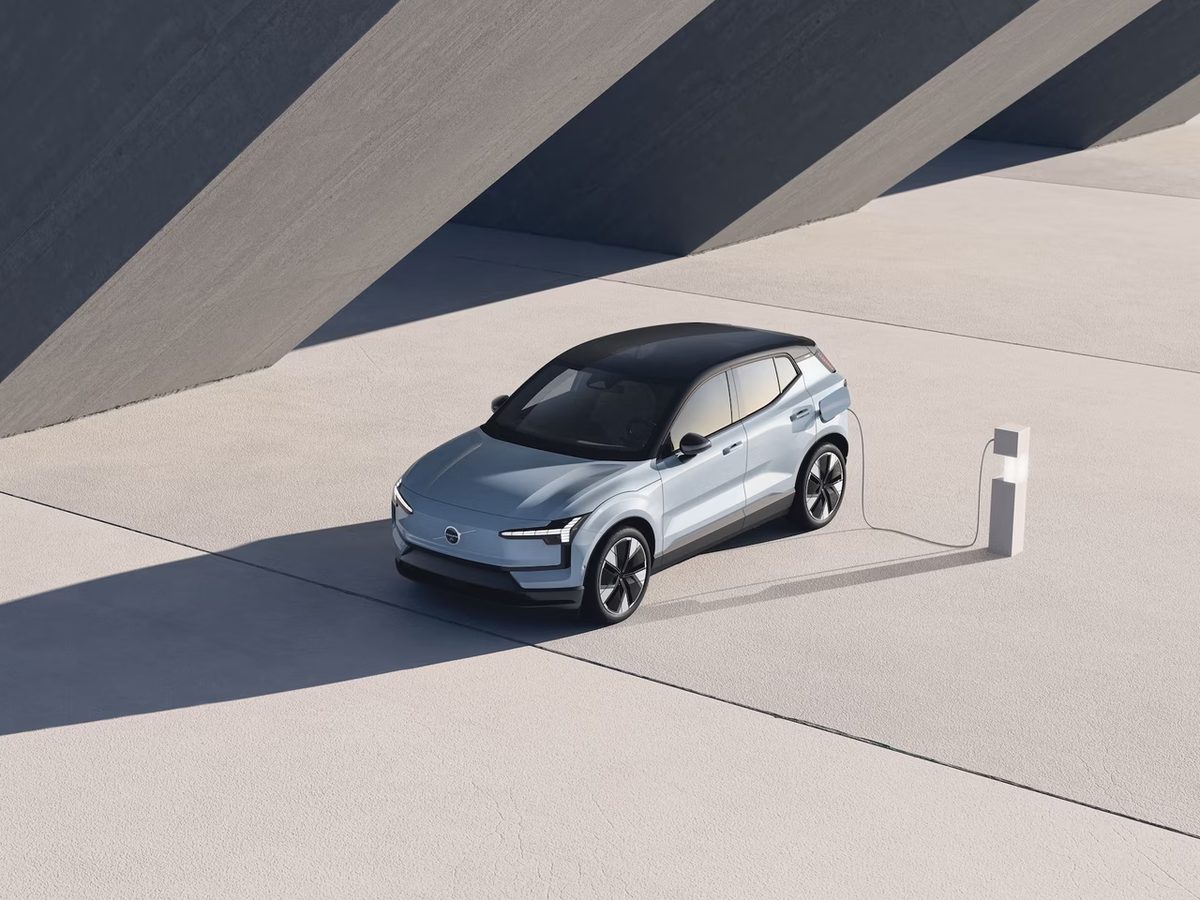
Along with sticker shock, range anxiety and the fear of a long charging stop are still the biggest obstacles preventing buyers from electric cars. But Volvo is working hard to change that story. With the promise of significantly optimized charging times for long journeys, the Swedish automaker wants to remove the one friction point that still gives traditional drivers pause.
For years, the discussion about electric cars has been dominated by two metrics: how far you can drive on a single charge and how long it takes to charge the battery. Although the battery density improves, the psychological barrier of “plugging in” remains. It disturbs the journey. It leads to variables like broken chargers or slow networks. Volvo knows this. Their latest strategy isn’t just about bigger batteries; It’s about reducing downtime.
The Speed of Light Charging
The essence of Volvo’s approach is to reduce the time spent on the charger so much that it seems insignificant. If you can fill up in the time it takes to drink coffee or go to the bathroom, an electric car is almost as practical as a gasoline car on long trips. Volvo aims for charging speeds that allow drivers to achieve a significant range in around 20 minutes.
This is not just marketing. It requires a certain ecosystem. To achieve these speeds, vehicles must support high-power direct current (DC) fast charging. Older EVs struggled with this as they only fed the first 20% of the battery before slowing down to protect the cells. Volvo’s new generation vehicles are designed to maintain higher charging ratios for longer, effectively bridging the gap between urban commuting and cross-country touring.
Why Time Matters More Than Range
You may be asking yourself: Why focus on time when distance is the obvious answer? Because the range numbers on paper do not always correspond to reality. Weather, highway speeds and headwinds will reduce your reported mileage. But time is constant. A 20-minute stop is a known quantity. It is manageable. It’s predictable.
“Optimizing the charging time is key so that traveling with electricity feels effortless, not demanding.”
By shortening the charging process by a few minutes, Volvo takes into account the practical reality of long-distance driving. It is not enough to say that a car can go 300 miles. You need to make sure you don’t get stuck charging for an hour. The goal is to make charging feel like a non-event.
Infrastructure challenge
Of course, a fast charging car is useless without a fast charger. Volvo’s promise is strongly based on the expansion of high-performance charging networks. This means partnering with major charging providers to ensure that the stations that support their vehicles can actually reach the promised speeds. It is a coordinated effort. The car must be ready and the grid must be ready.
For the enthusiast, this change means a transition from the difficulties of early adoption struggles to sophisticated usability. The jargon surrounding kilowatt hours and megawatts no longer matter when the experience becomes seamless. The focus is shifting from pure specifications to practical efficiency. Volvo assumes that if they can solve the time problem, range anxiety will naturally follow. The question now is whether other manufacturers will be able to keep up with this pace, or whether Volvo will set a new standard that will force the entire industry to adapt.
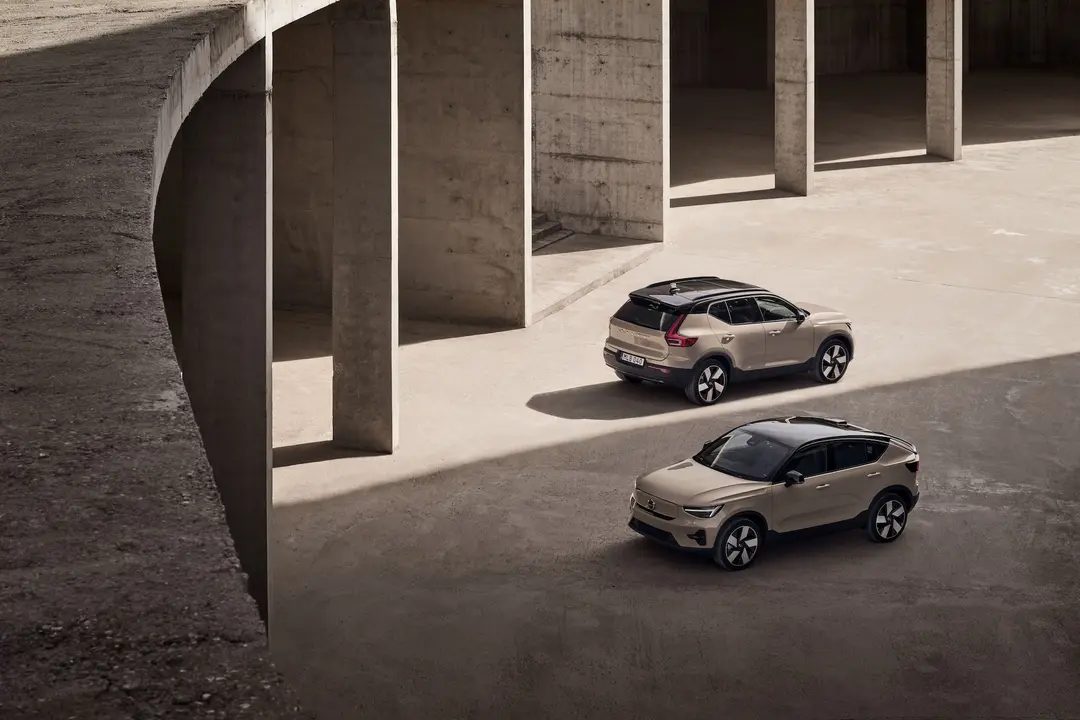

Charging electric cars is still a challenge. If you wait with a full battery, the comfort of the electric car will decrease. That’s about to change for Volvo. The Swedish automaker is partnering with a company called Breathe to reduce charging times by 30 percent.
We are talking about increasing the charging time from 10% to 80% and from the current 26 minutes to just 18 minutes. No new hardware. No battery replacements. Just software.
How the algorithm works
Current charging curves are typically static. When the car is plugged in, it receives power at a constant rate, peaking and decreasing as the battery fills to protect the battery. It’s a predictable path. Volvo wants to break this mold.
Breathe’s algorithms analyze battery data in real time. The system does not follow a predetermined schedule and adjusts the energy flow dynamically. Maintain a high average power throughout the workout by pushing as hard as possible and pulling back just enough to stay safe. This increases the average charging power by 30%.
“It seems easy to say or think, but it’s very complicated to plan.”
Tesla has increased fast charging speeds from 250 kW to 270 kW. Porsche achieved similar results with the Taycan. However, most brands have much lower caps. The Peugeot e-208, Renault Megane E-Tech and Citroën ë-C4 often struggle above 100kW or 170kW. A software patch allows Volvo to close this gap without replacing the physical unit.
Protects battery health
Fast charging is often associated with degradation. Lithium plating occurs when charging at high power. This happens when the lithium ions form a metal layer on the anode instead of being incorporated into it. Capacity is reduced. Life expectancy is getting shorter. It’s bad news for your long-term range.
Breathe’s solution aims to eliminate this risk. By dynamically optimizing the charging profile, the system avoids conditions that cause lithium plating. Owners can increase speed without compromising battery life or maximum range.
可用性
沃尔沃计划在未来两年内将该技术集成到其即将推出的车型中。 收获是什么? 它不会具有追溯力。 如果您目前拥有一辆沃尔沃电动汽车,那么您就不走运了。 这是未来汽车下线的一项功能,而不是可以通过软件补丁刷新的更新。
从依赖硬件的充电限制到软件定义的性能的转变标志着一个小但重要的一步。 它证明效率提升并不总是需要更重、更昂贵的电池。 有时他们只是需要更智能的代码。 但对于那些等待现有汽车获得此升级的人来说,等待可能是永久性的。
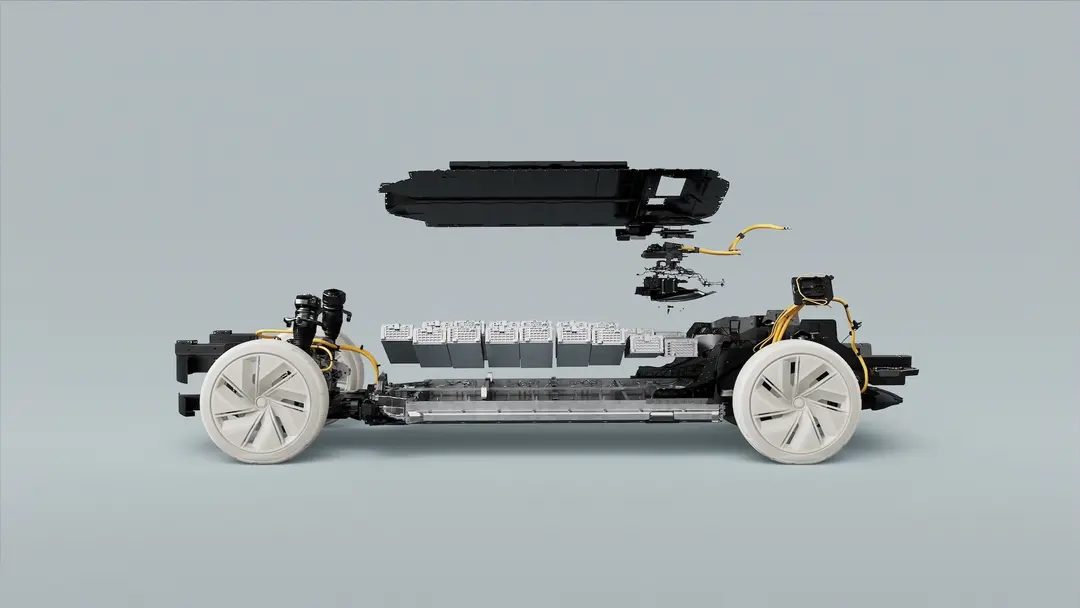

It is a safe bet that other automakers will follow this path. The pressure is on to match the speed, or at least try. Some might partner with Breathe directly. Others could build their own in-house solutions to slash battery recharge times. The competition is fierce. Chinese manufacturers are already rolling out models with charging speeds that dwarf what we see on European shelves today.
Volvo’s Green Ambition
This deal between Volvo and Breathe isn’t just about tech. It fits into a bigger environmental plan for the Swedish brand. Volvo has set a hard target: become net-zero in greenhouse gas emissions and fully circular by 2040. That is a tight window. Two decades. Not much time to make that happen.
Speeding up how quickly an electric car can refuel is a key part of that strategy. If charging takes forever, people hesitate. If it takes minutes, adoption spikes. This technology pushes the needle on sustainable mobility. It removes one of the biggest friction points for new buyers.
A Major Shift for Drivers
The partnership promises to shake up the electric mobility sector. The goal is simple. Cut recharge time drastically. Keep the car’s range intact. Do not degrade the battery’s lifespan.
Most fast-charging tech stresses the battery. It generates heat. It wears out cells faster. This dynamic, adaptive approach aims to avoid that trap. It adapts to the car’s needs in real-time.
This technology represents a major step forward for EV drivers. It helps democratize electric transport by making it as convenient as filling a gas tank.
The result is a smoother transition for consumers. The fear of “range anxiety” diminishes when you know you can top up quickly without hurting your battery’s health. It is not just about going electric. It is about making electric practical for everyone.
The question is no longer if this will spread. It is how fast. Other brands are watching. They are studying the data. They are adjusting their roadmaps. The race for the fastest charger is on. And the winners will be the ones who can deliver speed without the penalty.


