Automatic transmissions are complex beasts, and the component responsible for connecting your engine to that gearbox is often misunderstood until it starts screaming for help. That component is the torque converter. If you ignore the early warnings, you aren’t just dealing with a costly repair; you’re likely looking at a total transmission rebuild.
The good news? The symptoms are rarely subtle. From a shuddering steering wheel to fluid that looks like chocolate milk, your car will tell you exactly what is wrong if you know where to look. Here is how to identify bad torque converter symptoms before you are stranded on the side of the road.
The Role of the Torque Converter
To understand the failure, you have to understand the function. In a manual car, you have a clutch. You press the pedal, the engine disconnects from the wheels, you shift, and you engage again. An automatic car doesn’t have a physical clutch plate. Instead, it uses a torque converter.
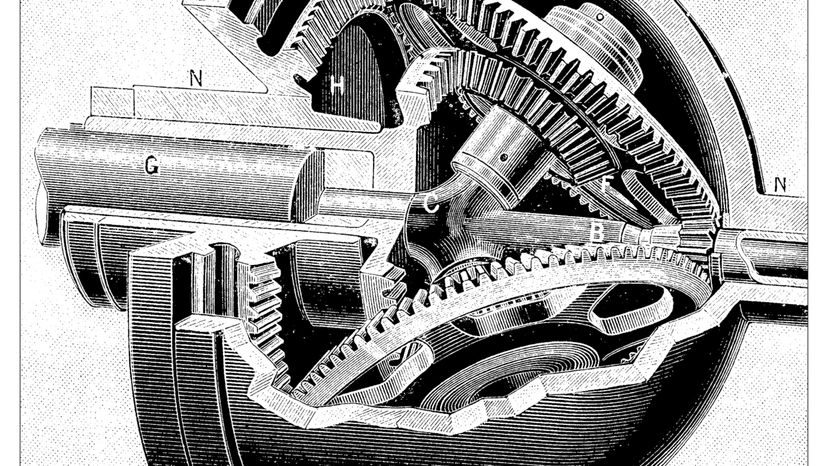
It is a fluid-filled housing that sits between the engine and the transmission. It acts as a hydraulic coupling. Engine power spins a pump inside the converter, which throws transmission fluid against a turbine connected to the transmission input shaft. This fluid transfer allows the engine to idle while the car is stopped, yet still move forward when you lift the brake. It also multiplies torque, giving you that initial burst of power when accelerating from a stop. If this hydraulic dance gets interrupted, everything else falls apart.
Warning Light Activation
The check engine light is the broadest alarm in automotive diagnostics. It could mean a loose gas cap, a failing oxygen sensor, or a blown engine. However, when it flags a transmission issue, it often points to the torque converter clutch (TCC) circuit.
Modern vehicles monitor slip rates and hydraulic pressure in real-time. If the computer detects that the converter is not locking up or unlocking at the prescribed RPMs, it throws a code. While you should always run a proper diagnostic scan to confirm the exact code, an illuminated check engine light combined with driving anomalies is the first red flag. Ignoring it doesn’t make the code go away; it just gives the damage more time to spread.
Gear Slippage and Delayed Shifts
Have you ever pressed the gas pedal and felt the engine rev high, but the car didn’t accelerate until a second later? That delay is gear slippage. It happens when the torque converter fails to maintain consistent hydraulic pressure.
The converter relies on that pressure to lock the engine to the transmission. If the internal seals are worn or the valve body is clogged, the connection slips. You might feel the car lurch into gear rather than shift smoothly. This is dangerous. Not only does it ruin the driving experience, but the friction generated by slipping converts kinetic energy into heat. That heat cooks your transmission fluid, turning a manageable repair into a catastrophic failure.
Refusal to Shift Gears
Slippage is one thing. A complete refusal to shift is another. If your car stays stuck in first or second gear, or refuses to downshift when you need passing power, the issue may stem from a disruption in fluid flow within the converter itself.
In some cases, a broken internal fin or a seized clutch pack inside the converter prevents the transmission from engaging the next gear. The computer tries to command the shift, but the mechanical link is physically unable to transmit the necessary force. This is often accompanied by a loss of power or a rough, jerky movement as the transmission fights to find gear.
The Shudder
Shuddering is one of the most distinct and recognizable signs of a failing torque converter. It feels like driving over a rumble strip at highway speeds, but the road is perfectly smooth. The vibration is usually most noticeable at low speeds or during light acceleration.
This sensation comes from the torque converter clutch failing to lock up smoothly. Ideally, the clutch engages and disengages without judder. When the friction material inside is glazed, burnt, or worn, the engagement becomes choppy. The engine and transmission are fighting each other, creating a wave of vibration that travels through the chassis. If you feel this shake, do not assume it is a wheel balance issue. It is almost certainly internal.
Loss of Acceleration
If your car feels sluggish, it might not have enough power. But if the engine is revving and the car is not gaining speed proportional to the RPMs, you have a torque converter issue.
The converter’s job is to multiply torque. If the internal components are damaged, that multiplication factor drops. You lose efficiency. The engine works harder to move the car, but the car moves slower. This is often described as a “slipping” sensation, but it is actually a loss of hydraulic coupling efficiency. The fuel economy will plummet, and the transmission will overheat as it struggles to compensate for the lost power transfer.
Overheating Transmission
Torque converters generate heat. That is part of their design. But when they fail, the heat becomes excessive. You might not see steam, but the transmission temperature gauge may spike, or you might smell burnt fluid.
Overheating degrades the additives in automatic transmission fluid (ATF). These additives protect against wear, corrosion, and oxidation. Once they are gone, the fluid becomes a lubricant with poor protective qualities. The metal components inside the transmission begin to wear prematurely. If you notice the transmission running hotter than usual, especially under heavy load or in traffic, investigate the torque converter immediately. It is likely the source of the thermal runaway.
Unusual Noises
Your ears can detect problems before your eyes can see them. Pay attention to sounds coming from the bellhousing area where the engine meets the transmission.
- Whining or humming: This often indicates low fluid levels or a failing pump inside the converter.
- Clunking: A metallic clunk during gear changes can signal broken internal components or excessive play in the bearings.
- Grinding: Rare, but if the converter clutch is failing catastrophically, it can create a grinding noise as metal parts interact that should not touch.
These noises are not part of normal operation. They are the sound of mechanical failure in progress.
Fluid Leaks
Look under your car. If you see a puddle of red, pink, or brownish fluid, you have a leak. Transmission fluid is distinct from engine oil (which is amber or black) and coolant (which is green, orange, or yellow).
A leaking torque converter is usually caused by a failed seal where the converter mounts to the transmission housing. Even a small leak can drop fluid levels enough to cause cavitation and pressure loss. Low fluid means the converter cannot engage properly, leading to slippage, overheating, and eventual failure. If you see red fluid, address it before it becomes a dry-run catastrophe.
Contaminated Transmission Fluid
Pull the dipstick. Look at the fluid. It should be bright red and translucent. If it is dark brown or black, it is oxidized and contaminated. If it smells burnt, it is overheated.
But the most telling sign is particles. If you see metal flakes or glittery specks in the fluid, the torque converter is likely shedding metal as its internal components wear out. This debris circulates through the transmission, acting like sandpaper on bearings, clutches, and valves. Once the fluid is contaminated with metal shavings, the damage is rarely contained to just the converter. The entire transmission system is at risk.
Why Early Detection Matters
The torque converter is not a maintenance item. You do not replace it on a schedule. But it is a wear item. Over time, the friction material wears down, the seals harden, and the internal valves stick. Recognizing the bad torque converter symptoms early allows for
诊断变速箱问题:失速测试
您遇到了变速箱问题,但问题是变速箱本身还是变矩器? 这是一个常见的困境。 变矩器是将发动机连接到自动变速箱的无名英雄,其作用类似于液力偶合器。 当出现故障时,症状可能类似于其他传动系统问题。
在许多较旧的非电子控制变速器上隔离问题的一种方法是失速速度测试。 这是对变矩器倍增扭矩能力的直接检查。 但在你落地之前,先听听。 这个测试很激进。
安全第一:阅读细则
并不是每辆车都能通过这项测试。 事实上,如果您进行失速测试,大多数具有复杂电子控制装置的新型变速箱都会被损坏或触发检查发动机灯。 一些旧型号太脆弱了。
“一次运行失速速度测试的时间不要超过五秒。”
如果您的汽车有牵引力控制或防抱死制动系统,请跳过此步骤。 这些系统可能会干扰测试或因突然的负载而感到困惑。 请务必先咨询您的制造商或维修手册。 如果它说“不”,请不要这样做。
Prepare the vehicle
The fluid level is important. If the transmission fluid is low or burns out, debris will result. Make sure the fluid is in good condition before you start.
Block the rear wheel with a spacer. Turn on the parking brake. You pedal hard, so keep your car stationary. If your dashboard does not have a tachometer, install a portable tachometer that is visible from the driver’s seat. Accurate RPM data is required.
测试:抑制马力
启动发动机。 将制动踏板完全踩到底。 换入驾驶室。 保持你的脚重踩刹车。
现在,将油门踩到金属上。 保持在那里两到三秒钟。 不要超过五秒。 您正在观察转速是否达到最高点。 这个峰值数字就是你的失速速度。
松开制动器,让发动机空转,并记下数字。
读取结果
将您的失速速度与发动机和变矩器制造商的规格进行比较。
- 转速低于规格: 变矩器出现故障。 它没有正确地增加扭矩,这意味着它需要修理或更换。
- 转速太高: 变速箱本身打滑。 变矩器可能没问题,但变速器内的内部离合器或带磨损了。
修复损坏的变矩器可能意味着简单的离合器更换或全面的变速箱检修。 及早发现可以省钱。 如果您怀疑失败,请让专业人士查看。 他们拥有诊断根本原因的工具,而无需损坏您的汽车。
Frequently asked questions about torque converters
How can I determine if my torque converter is damaged?
Check for vibration, especially when accelerating or at low speeds. You may also hear a whistling, clicking or delay. If your car seems to lose gears, the transformer is the most likely suspect.
What causes the torque converter to lock up?
Locks are common in modern cars to improve efficiency. However, if you start too early or the timing is off, you can run into problems. The temperature of the cooling water plays an important role. If the engine is cold (around 120°F), the transformer may lock up prematurely. Locking the overdrive can also activate the locking mechanism.
Can a bad torque converter damage the transmission?
Yes. A faulty transformer can cause overheating, friction and knocking. It can damage the transmission fluid. Ignoring it can cause more damage. Eventually, the motor itself can be damaged due to excessive vibration and heat.
How much does the exchange cost?
If you do it yourself, you’ll pay between $150 and $500 for parts and tools. A professional mechanic charges even more. You’ll pay between $600 and $1,000 for a complete service, depending on vehicle and labor costs.
How do I know if my torque converter is stuck?
Pay attention to RPM. If the vehicle continues to climb while driving at a steady speed, the interlock switch may suddenly engage or disengage. Another sign? The motor stops when it comes to a complete stop. This usually means that the transformer has not been disconnected properly.