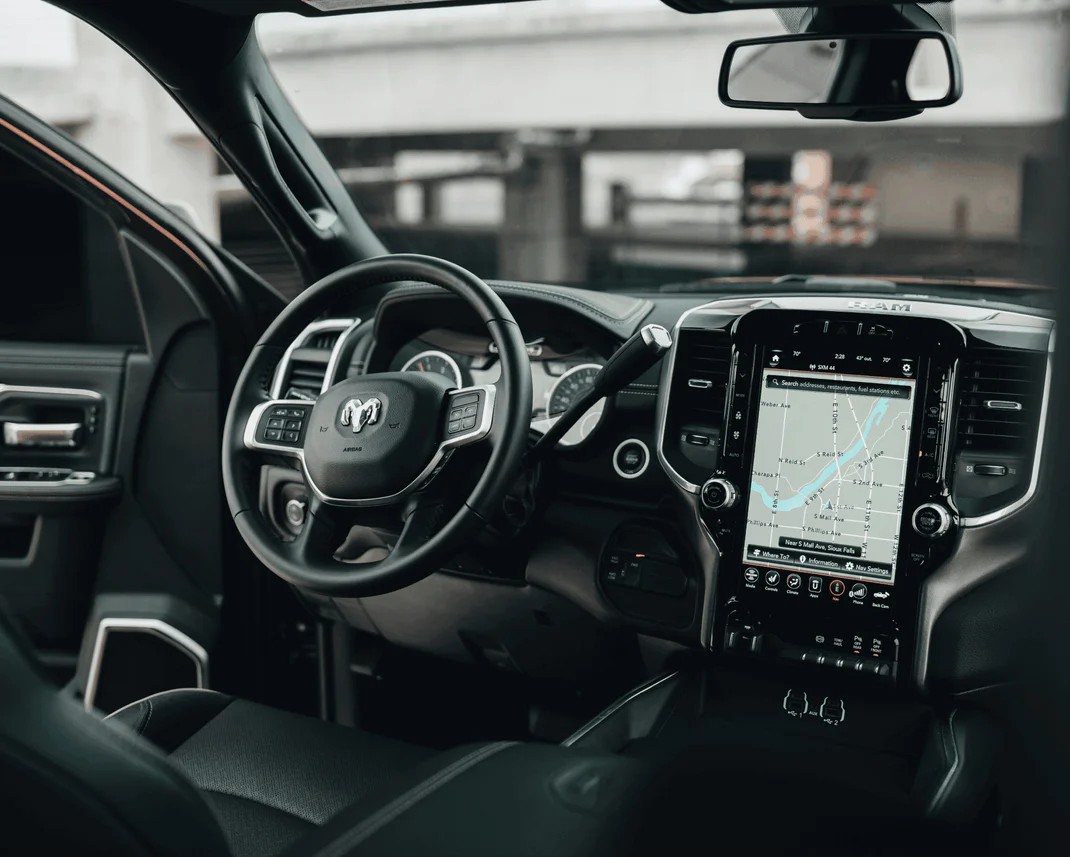
It’s not just a stereo anymore.
You rip out the factory plastic junk. In goes the touchscreen. Navigation. Spotify. Apple CarPlay. Android Auto. The whole suite. Drivers love it. The price tag usually smiles back at you, sitting comfortably lower than whatever the car company wanted for their proprietary box. It looks like a win.
Except the Android head unit market? It’s a minefield. 🚗💥
Car Tech Studio integrators see it daily. Hundreds of makers. Same casing. Same face. But open the box? Inside, it’s the Wild West. Hardware quality, software rot, compatibility nightmares, ghost support. You buy cheap today. You pay tomorrow, in stress and repair bills.
This isn’t a lecture on car audio history. It’s about why the market is so broken, the hidden costs you’re ignoring, and how to stop throwing money away.
Why You Can’t Just Guess Anymore
Factory systems have rules. Android head units have suggestions.
Many brands slap their logo on the same white-box hardware sold out of a Shenzhen factory. You see two units online that look identical. Price is different by five dollars. You pick the cheaper one. Big mistake. They perform nothing alike once they’re behind the dash.
There are no standards here. None.
One seller tells you the truth about the CPU. The next lies about the RAM. Or the Android version. Ads are useless for comparison because everyone is shouting about “4GB RAM” when one unit uses DDR4 and the other uses something slower you won’t recognize. The rise of online marketplaces means race to the bottom on price, not quality.
The Cheap Price Trap
Checkout says you saved money. Ownership says you didn’t.
Budget models run on junk. Slow chips. Cheap touch panels that stop feeling fingers. Audio outputs that sound muddy. They might work for a month.
Then age happens.
Startup takes forever. Apps crash. Bluetooth disconnects every three calls. GPS loses satellites in daylight. Touch response lags. You’re fiddling with a map while driving. Stressful? Yes. Dangerous? Sure.
Repairing this is a joke. You don’t fix it; you replace it. The “savings” evaporate faster than windshield washer fluid in summer. Most people learn this the hard way: fixing a bad buy costs more than buying a good one initially.
Do You Actually Pay More for “Premium”?
Usually.
Better parts inside. Better testing outside. Faster processors that don’t choke on navigation maps. Actual cooling systems so the thing doesn’t overheat and reboot mid-song. Software that is maintained.
Premium brands release firmware updates. Why does this matter? Security patches. Compatibility fixes for new phones. Bug squashing. A dead system is a paperweight. A supported one stays alive for years.
Is it worth the higher sticker price? If you want it to actually work? Absolutely.
It’s Not Just the Unit. It’s the Install.
You could buy the most expensive head unit in the world. Install it wrong. It’ll suck.
Most guys ignore wiring harnesses. Or vehicle-specific adapters. Bad wiring leads to rattling dashes. Steering wheel buttons that do nothing. Backup cameras that lag. Electrical ghosts frying your factory modules. Or just draining your battery to zero because of a draw error.
Get the right harness. Use an experienced installer. It protects the investment. Don’t DIY it unless you enjoy electrical engineering.
Features Don’t Matter If It Freezes
Look at the specs sheets. 10-inch screens. AI voices. Dolby Atmos. Great marketing.
Meaningless if the UI locks up every time you try to change volume. Reliability beats flash.
You want quick boots. Stable Bluetooth. Accurate GPS. Smooth scrolling. A boring but reliable system beats a exciting but crashed one any day of the week.
A dependable infotainment system adds value to every single drive, while an unreliable one just adds friction to your life.
Warranty Isn’t a Form Letter
This separates the pros from the scams.
Cheap units often have zero real support. Firmware breaks? Email goes to void. Hardware fails? Too bad.
Good makers stand behind their stuff. Longer warranties. Real people to call. Update logs. Repair centers. This isn’t just comfort, it’s risk management. If you pay for it, someone should actually support it.
Case Study: The Cost of Stinginess
Let’s talk real world.
Owner upgrades old factory radio. Wants cheap. Buys bottom-dollar unit online. Install works, briefly.
Month six: Touch screen ignores taps. Month eight: Bluetooth dies during every call. Month ten: Navigation is laggy mess.
Result? He tears it out. Buys a premium unit. Pays an installer again to do it right. Total cost? Higher than just buying the good one in the first place. Plus wasted time. Plus anger.
Cheap is expensive. Really expensive.
Look at Total Cost
Stop looking at the price tag. Start looking at ownership cost.
How long will it last? Will it update? How much is installation? What happens when it breaks? A pricier unit that lasts five years with no issues is financially smarter than a $200 unit you replace in eighteen months.
How to Not Get Burned
Don’t impulse buy. Do the homework.
- Vehicle Specifics: Get the unit designed for your car. Steering controls, backup cameras, CAN bus. It must talk to the car.
- Check the Guts: Processor, RAM, Storage. Don’t just check the names. Check the versions. Ask Car Tech Studio team advice or read deep reviews. Ensure the hardware can handle Android updates coming later.
- Real Reviews: Skip the Amazon five-stars. Find forum posts. Find video teardowns. See who complains about crashes.
- Supportability: Authorized sellers. Clear warranty. Tech support that answers.
Final Thought
The Android head unit boom gave us power in the cabin. It also gave us trash in the dashboard.
You can keep picking the bottom-dollar option if you enjoy gambling with your time and patience. Or you can recognize that hardware quality, software lifespan, and proper install are the things that actually matter.
Better performance. Better sound. Less headaches. It starts with buying better.
The market isn’t getting easier. But you can navigate it if you stop looking at the initial price tag and start looking at what’s under the hood.