


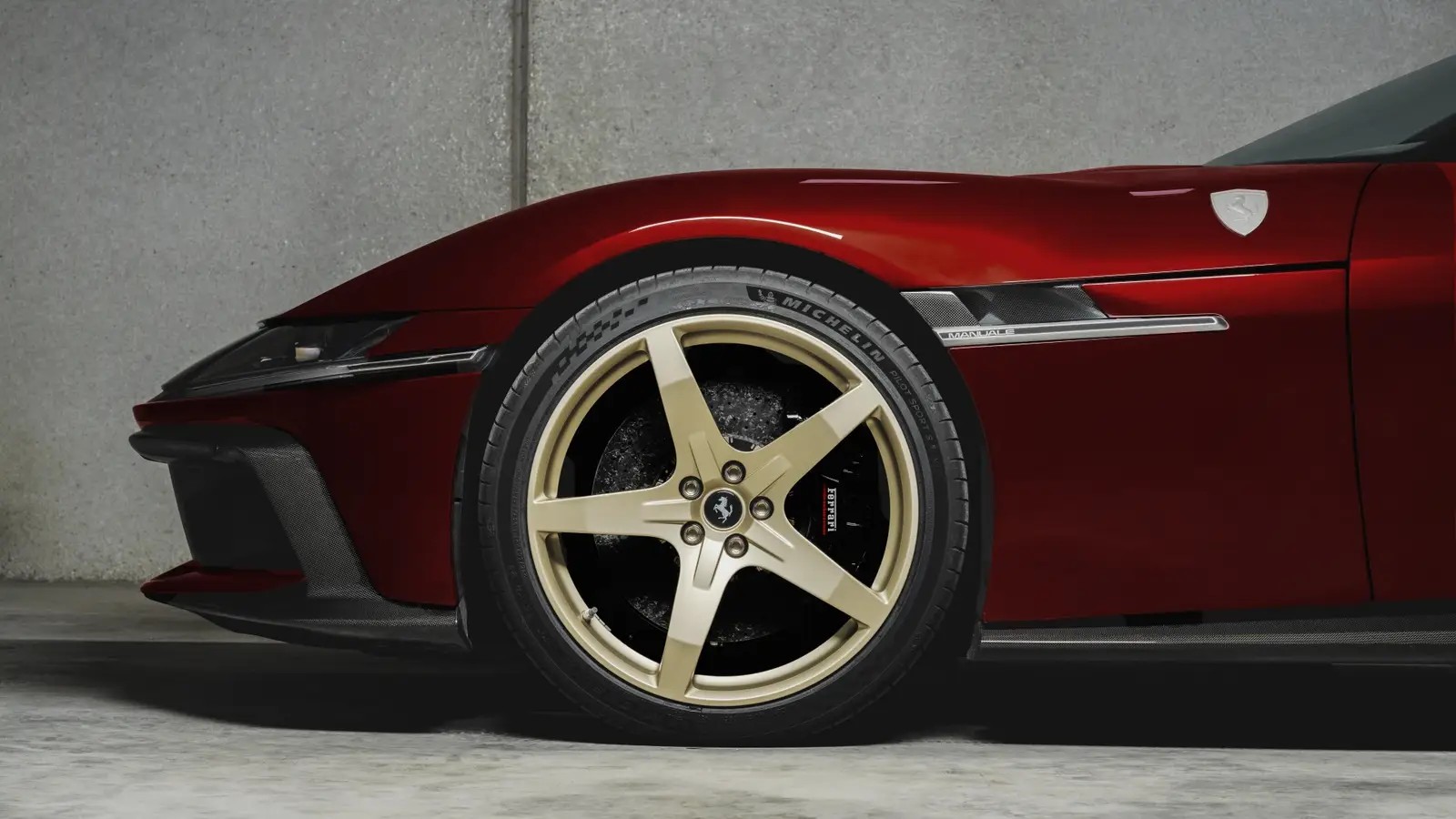
Ferrari just confirmed it.
The 12Cilindri manuale.
Naturally aspirated. Twelve cylinders. And a “manual” gearbox in a world that has largely decided combustion is obsolete. This announcement lands hard this week, shifting the conversation away from the electric anxiety surrounding their new Luce EV. It draws the investor gaze back to the analog roots that made the brand. After the turbulent debut of Luce—Ferrari’s first fully electric car and a polarizing design choice—the manual V12 feels like a lifeline thrown back to enthusiasts.
Production is strictly limited to 1,409 units? No, 1,499.
Here is the twist though. The gearbox isn’t traditional. It’s not the three-pedal setup your father learned on. Ferrari borrowed a simulated approach pioneered by Koenigsegg. There is no clutch pedal to modulate. Instead, an electronically actuated system delivers the physical feel and engagement of rowing gears. It’s a technical workaround. It simulates the drama without the mechanical complexity. Most manufacturers dropped manual transmissions entirely years ago. Ferrari is betting that how it feels matters more than how it works under the floorboard.
What Actually Defines the 12CilindrI manuale?
The name says it all really. 12Cilindri. Manuale.
No turbochargers. No electric motor filling torque gaps at low RPMs. Power builds the old way—through displacement and noise. Ferrari hasn’t released official horsepower figures for this specific variant yet, but remember this is their flagship V12 platform. The naturally aspirated configuration represents the purest expression of the engine.
The gearbox story gets interesting.
Forget hydraulic clutches. This is an electronic simulation of manual engagement. The driver navigates a gated pattern. The car responds with appropriate theater. But the hardware? It’s not traditional. Purists will argue whether it counts as a “real” manual. Depends on your definition. But here is what paddle-shift DCTs can never replicate: the deliberate, sequential act of choosing your own gear. It puts the driver back in the loop, even if the loop is assisted by computers.
The intent is unmistakable. In a segment obsessed with speed, Ferrari prioritized engagement.
Why the Timing Feels Loaded
Ferrari’s Luce EV debuted in late May. The reaction was swift. Sharp. Shares fell roughly 6 percent as investors and fans alike questioned the aesthetic direction. It dominated automotive headlines for weeks. It created a crisis of confidence.
That context makes the manuale announcement significant.
The manuale isn’t just a car. It is a signal. Ferrari intends to hold both sides of the market simultaneously. Luce chases the electrification trend and a new breed of luxury buyer. The manuale speaks to the hoarders—the people buying the last naturally aspirated V8s out of fear the brand was drifting too far toward the future.
Benzinga noted this week that the manual announcement helped stabilize Ferrari’s standing with investors. Those same people uneasy after the Luce reception? They liked the V12. A lot.
Standing Among the Dying Breed
Manual transmissions have been vanishing from the supercar sector for over a decade now.
Look at the competition:
– Lamborghini : Went dual-clutch with the Huracan. Now hybrid with the Temerario.
– McLaren : Fully automatic. Hybrids only.
– Porsche : Still offers a manual 911 GT3 (a cause celebre), but even their broader range migrated to PDK.
Motor1 lists the manual options available in 2026 and the point is clear: at this price tier, they are vanishingly rare. Sure, Touring Superleggera revealed a manual V12 coachbuilt restomod of a 550 in June. But that’s a bespoke boutique project. Not a factory model.
The 12CilindrrI manuale is Ferrari’s answer. Built to scale—within that 1,499 unit ceiling, anyway. It is the most high-profile manual V1 news from any major manufacturer in recent memory.
For the buyers lucky enough to secure a spot, this represents one of the final chances to own a factory-fresh Ferrari that values the act of driving over powertrain efficiency. That matters. Not just as a footnote for collectors, but as a statement.
What Ferrari believes a sports car should be.
Whether we are ready for it. That’s another question entirely.


