


Justin Douglass, who heads up Genesis Motors Australia, didn’t blink.
When asked if his brand’s high-performance Magma division could one day challenge the likes of the Mercedes-AMG Black Series or the BMW M Competition variants, his answer was simple.
“The possibilities are endless.”
It wasn’t a hard promise. It wasn’t even a plan. It was a shrug wrapped in corporate optimism.
Tim Rodgers, Genesis’s product development manager in Australia, took it further. He just said, “Why not?”
He wasn’t confirming anything. He was speculating. But in the auto industry, speculation is often just a leaked draft of a brochure waiting to happen.
The Magma Problem (And Opportunity)
Right now, Magma is tiny.
In the United States, it’s essentially a ghost brand. You have the GV60 Magma electric SUV. That’s it. One model. That’s all the high-octane juice the brand is serving on its home turf.
Compare that to AMG or BMW’s M division, and the gap looks massive.
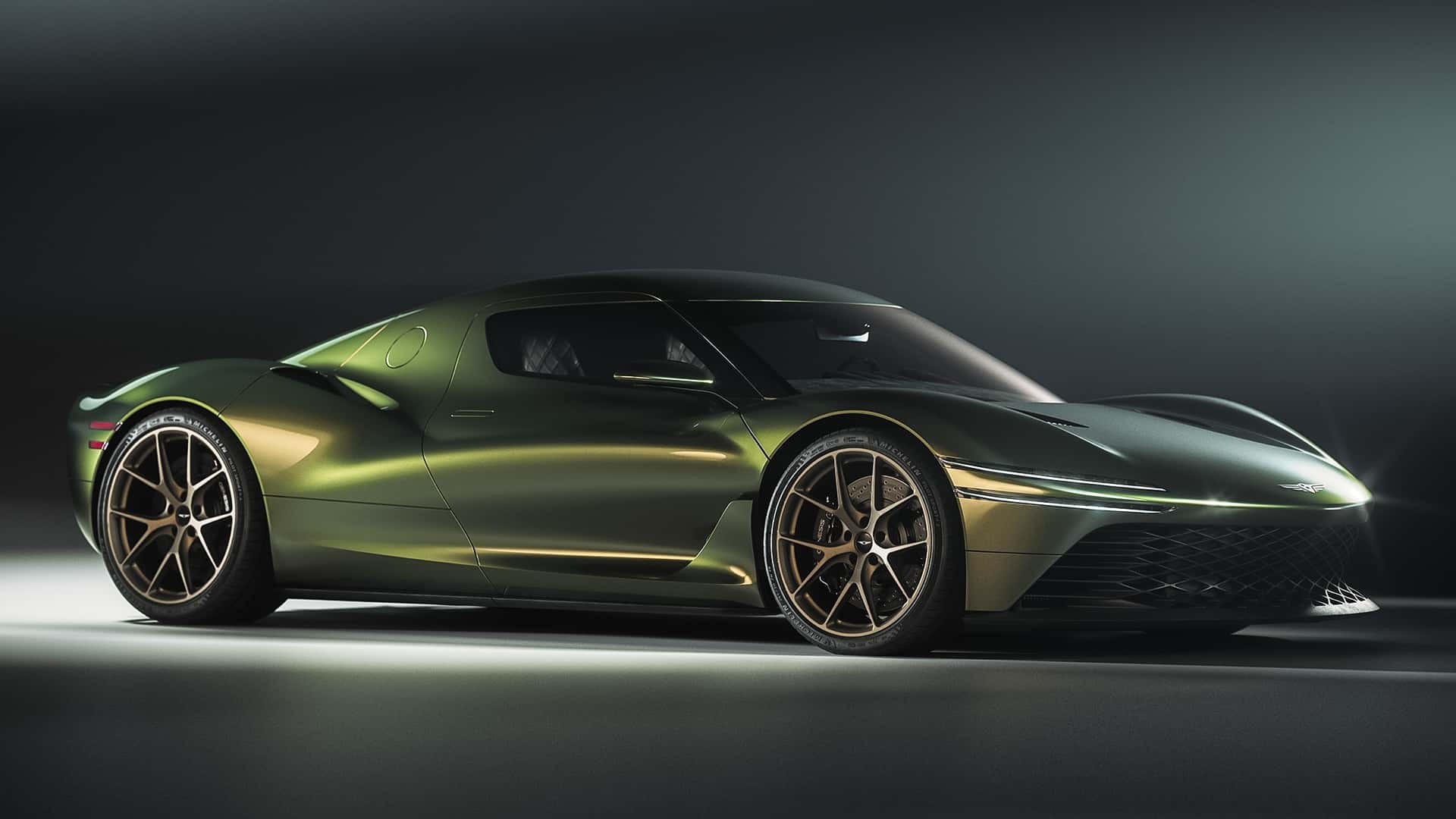
Genesis knows this. The brand launched the Magma sub-brand over two years ago. It’s been busy. Last November, they showed off the Magma GT Concept. Mid-engine. Halo car. A statement piece designed to define their performance heritage for the next decade.
It looks fast. It looks mean.
But concepts don’t sell themselves.
Rodgers didn’t give a straight answer to whether Genesis is building a road-legal version of that GT Concept. He deflected. But look at the broader strategy, and the trail of breadcrumbs becomes visible.
22 Models by 2030
Genesis has a target.
They want 22 new models on US roads by the end of 2030 that includes new powertrains, trims and derivatives. That’s a lot of metal to produce in six years.
Most of them will be sensible. You’re going to see more sedans. More crossovers. Maybe even a pickup truck now that Hyundai is playing that game.
But if Genesis wants to be taken seriously as a luxury performance contender, they can’t just rely on the G90 Wingback being pretty. They need teeth.
They need a hypercar.
Not a “hot hatch.” Not a “sporty sedan.” We are talking about vehicles that compete directly with the ultimate track-focused variants of their German rivals. The cars that cost more than your house and sound like a jet engine.
Why Genesis Should Care
Is it crazy?
Maybe.
Luxury brands have a history of overextending. Alfa Romeo. Cadillac V-Series. The list is long. Most of them fizzle out after a few years because the cost of development outweighs the sales volume.
But Genesis isn’t trying to win on volume. They are trying to win on prestige.
The Magma GT Concept isn’t just a car. It’s a flag in the ground.
“The possibilities are endless.”
— Justin Douglass, Genesis Motors Australia
If Genesis stays small, they remain a premium alternative to Audi. If they go big with high-performance machines, they start a war. And wars are messy. But they are also memorable.
We might see a smaller EV following the Ioniq 3’s footprint. We might see that pickup. We might see a production Magma GT.
But we won’t see any of that unless someone at the top decides that “why not” is a strategy.
Right now, the answer is still just speculation. But when the CEO says the possibilities are endless, you’d better keep watching.
The garage is empty. But the blueprint is already on the table.


