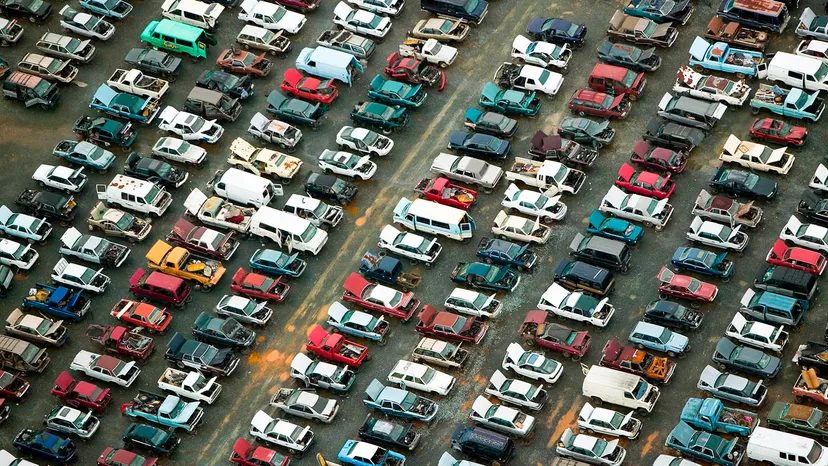
Let’s get the definition out of the way. A car is totaled when repair costs exceed its actual cash value. Insurance companies write it off. The title gets branded salvage. That stamp isn’t just paperwork. It’s a warning label. It tells you this vehicle has a history of significant damage.
So, when someone buys that wreck, fixes it, and puts it back on the road, they don’t get a discount for perfection. You can’t expect a pristine ride for 40% off the sticker price. The math rarely supports that fantasy.
But here is the twist. The stigma of a salvage title can depress the market price. Sometimes, these cars sell for less than they are worth. That gap is where the opportunity lives. It’s sweat equity. You trade your time. You hunt for parts. You troubleshoot issues. You fix what needs fixing. You pay for that labor in the savings on the purchase price.
It’s a balance scale. On one side: your money, your time, your effort. On the other: the car. Does the vehicle’s value outweigh the headache? If yes, you win. If the stress and costs exceed the car’s worth, you lose.
To help tip the scales in your favor, start with the most critical step.
10: Learn the Exact Damage
You cannot assess a salvage vehicle without knowing exactly what broke it. Vague descriptions like “minor accident” or “flood damage” are useless. They are red flags disguised as information.
When looking at a salvage title car, demand specifics. Did it suffer structural frame damage? Was the airbag deployed? Was water intrusion limited to the carpet or did it soak the ECU?
If you don’t know the exact damage, you are buying a mystery box. And mysteries are expensive.
Start by pulling the vehicle history report. Services like Carfax or AutoCheck often list the type of damage. Look for keywords like “front-end collision,” “side impact,” or “total loss by flood.” This gives you a baseline.
Next, inspect the vehicle yourself. Or better yet, hire a mechanic who specializes in salvage vehicle inspection. A general mechanic might miss the subtle signs of frame misalignment. A specialist knows where to look.
Check for:
- Frame straightness: Use a tape measure to compare diagonal distances from the chassis to the suspension mounting points. Inconsistencies mean the frame was bent and possibly poorly repaired.
- Panel gaps: Uneven gaps between doors, hood, and fenders suggest the underlying structure is compromised.
- Water stains: Look under the carpet and in the wiring harnesses for rust or mud. Flood damage is a silent killer. Electrical gremlins will haunt you for years.
- Airbag sensors: Were they replaced? Properly calibrated? A simple reset isn’t enough.
If the seller is vague, walk away. Transparency is key. A honest seller will provide photos, repair receipts, and details about the damage. A secretive seller has something to hide.
Remember, the goal is to find a car where the value outweighs the effort. Knowing the exact damage is the first step in that calculation. Without it, you’re just guessing

Floods and fires are the real nightmares of the salvage world. While crashes are the usual suspect for a branded title, some states classify water and fire damage as salvage events too. These are tricky beasts. Components might appear functional today but fail later. Predicting exactly what needs fixing to get a flood or fire vehicle into a reliable state is nearly impossible. The advice is simple: buyer beware.
Then there is the old adage of “good” versus “bad” crash damage. Stick to body panels or minor working parts. Avoid bent frames at all costs. A straightened frame might look fine after repair, but it compromises safety and guarantees future headaches. Structural integrity is non-negotiable.
The Hidden Costs of Salvage Ownership
Buying a salvage title isn’t just about the sticker price. You need to factor in insurance, warranties, financing, registration quirks, claims, and resale value.
Insurance varies wildly by state and provider. Most insurers will offer liability coverage, but comprehensive or collision might be harder to come by. Expect to navigate a patchwork of regulations depending on where you live.
Warranties are a myth. You can almost guarantee there will be none. Some salvage dealers might offer their own limited coverage, but don’t bet the farm on it. Ask, but assume nothing.
Financing is another hurdle. Most salvage buyers pay cash. Traditional banks are hesitant to lend on damaged titles. If you need a loan, prepare for higher interest rates or specialized lenders who charge a premium for the risk.
Registration requirements differ by state. In some places, a police officer must inspect the car before it can be registered. Others require certification from a licensed repair shop. Check with your local DMV to understand the bureaucratic maze you are about to enter.
Claims are another consideration. If you wreck your salvaged car, don’t expect a payout that reflects the car’s pre-damage value. Insurance companies typically pay no more than 80 percent of the car’s listed value. Many owners skip comprehensive coverage entirely, paying only the state minimums.
Resale is the final nail in the coffin. Once a salvage title, always a salvage title. Even if you spend thousands restoring a vehicle to pristine condition, the title remains branded. You shouldn’t expect to recoup your investment.
Do the Math and Trust Your Instincts
Why does an insurance company stamp a title as “salvage”? Because the repair cost exceeds the vehicle’s value. Imagine the damage required to total a new $50,000 car. That’s a severe crash. You likely don’t want a car that has endured that kind of force.
Now, think about an older car. A minor fender bender might total a vehicle with a Kelley Blue Book value of $5,000. These older, reliable cars are often the best salvage buys. The damage is usually minor, the repair costs low, and the residual value decent.
Use this logic to evaluate dealer descriptions. If a dealer claims minimal damage on a brand-new car, something is wrong. A deal that seems too good to be true probably is. Your gut instinct should trigger alarms.
Is the Price Right?
Price isn’t just about the number on the tag. It’s about the ratio of repair costs to resale value. If the math doesn’t work, walk away.
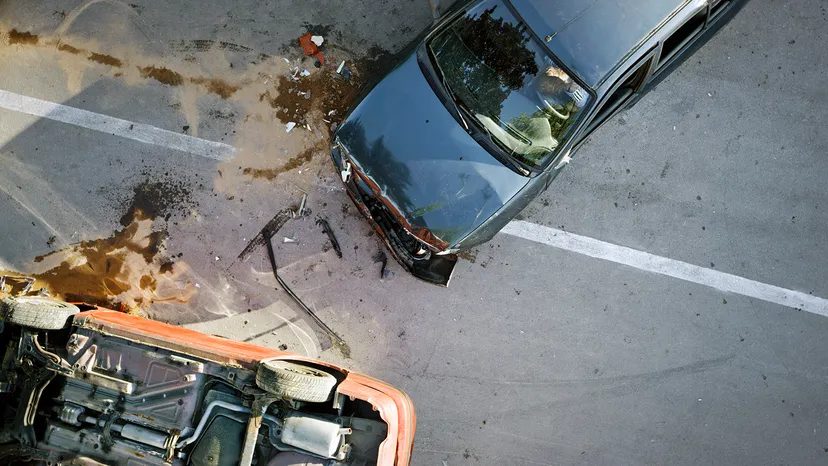
Start with the baseline. A fully reconstructed salvage car usually trades at about 60% of a clean-title equivalent. Grab the Kelley Blue Book or NADA value for that specific make, model, and year. Multiply by 0.6. If the seller’s asking price sits below that number, you’re looking at a deal. If it’s higher, walk away.
This math assumes the car is road-ready. It often isn’t.
If you are buying a salvage vehicle that hasn’t been fixed yet—or one that was repaired poorly—you need to adjust the equation. Deduct the estimated cost of those remaining repairs from your 0.6x baseline value. That’s your real maximum offer. Ignore it, and you’re just donating money to a mechanic you haven’t hired yet.
The non-negotiable pre-purchase inspection
You wouldn’t buy a used Honda Civic without checking for rust. Don’t buy a salvage title Jeep Wrangler without a full mechanical and structural audit. This isn’t optional. It’s indispensable.
An inspection by a reputable shop with zero ties to the dealer or auction house saves you from inheriting someone else’s bad decisions. If the car is already reconstructed, the inspection confirms the work holds water. If the car is still a project, the report tells you exactly what cash you’ll need to pour into the frame, suspension, and electrical systems.
“Have the inspection done at the body shop you plan to use for repairs so you’ll be on the same page.”
This alignment is critical. You want your future mechanic and the inspector looking at the same damage list. No surprises later.
The inspection also pays for itself. Dealerships rarely list every worn bushing, minor leak, or questionable dent. They list “runs and drives.” Your inspector finds the “buts.” Use those findings to force a price reduction. It’s leverage you can’t get any other way.
What happens after you sign the papers
The work doesn’t stop at the closing table. The title brand might change from “Salvage” to “Reconstructed” after passing state inspection, but the mechanical reality remains the same. You own the risk now.
Keep every receipt. From the new sway bar links to the replaced alternator. Documentation matters when you eventually sell. A clean service history on a reconstructed title car is a rare beast. It proves you didn’t just bolt on parts to pass inspection; you actually fixed the problems.
Where do you go from here? You drive it. You monitor it. You listen to it.
The first few weeks are the most dangerous. New connections can fail. Sensors can glitch. Alignment can shift. Don’t assume the repair shop’s warranty covers everything. Assume nothing.
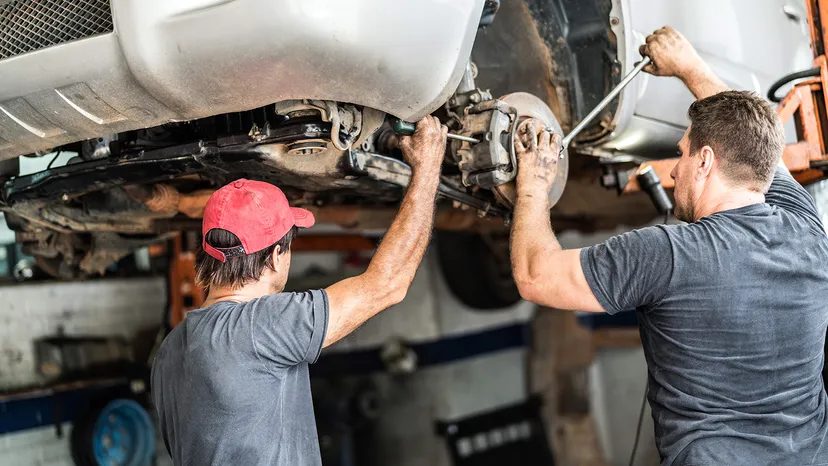
You can’t just tape a totaled sedan back together and merge onto the interstate. It’s dangerous. The wreckage endangers the driver and everyone else on the road. So, before you can legally put plates on a salvage auto, you have to pass a rebuilt auto inspection. This isn’t optional. It’s a regulatory hurdle you must clear.
The specifics change depending on where you live. In some states, any licensed body shop can perform the check. In others, you need a shop specifically certified to inspect rebuilt autos. Some jurisdictions even let police officers handle the verification. Registration paperwork usually demands a detailed breakdown of the damage and the repairs made. A few states have entirely separate offices for licensing these vehicles. Check your local DMV requirements. Links to all 50 state DMVs are available for that purpose.
Repair Yourself vs. Buy Refurbished
You generally have two paths when buying a salvage auto: the car is either already repaired or it needs work. The repaired route is simpler. The labor is done. A salvage auto dealer might have even handled some of the licensing legwork. You might drive the car right out of the showroom.
But buying a wrecked car that needs repair lets you control the process. First, you ensure the repairs meet your standards. Second, cost-conscious buyers can pick their battles. Which repairs matter? Which quirks can you live with? If the rear power window is dead and you don’t care, you save that money.
Buying a salvage auto is sweat equity. The more work you do yourself, the more cash you keep.
Theft Recovery Salvage
This designation can be a golden ticket. Here’s how it works: if a stolen car isn’t recovered within three weeks—or 30 days in some places—the insurance company pays the original owner. They write the car off as a total loss. If the car turns up later, it gets a salvage title. It might have zero damage.
Or it might have some. Dealers aren’t stupid. They know theft recovery vehicles often sell for higher prices than those salvaged from actual crashes. But don’t assume it’s pristine. Have a theft recovery vehicle inspected by a reputable repair shop before you buy. Unseen damage is common.
Get the Facts
The CARFAX, specifically. You’ve had a qualified shop inspect the car. But that inspection might not reveal the vehicle’s history as a lemon. Look beyond the current damage. Hunt for the past.
Start with a free Vehicle Identification Number (VIN) check at the National Insurance Crime Bureau. This shows if the car has a salvage title or was reported stolen but never recovered. You can usually find the VIN on the driver’s side interior dash, visible through the windshield. It’s stamped in other spots too, like the doorframe or engine bay, but you might not have access to those areas on a car you’re trying to buy.
Where to Buy
Stereotypes paint used car dealers as snake-oil salesmen foisting lemons on buyers. Sometimes they are. But be doubly cautious with salvage autos. If you know a reputable local dealer—preferably whose kids are in Boy Scouts with yours—that’s ideal. Otherwise, things get gray.
Check the specific car and the dealer before buying. Start with the Better Business Bureau. Look for complaints.
If you bid on a salvage auto at an online clearinghouse, don’t skimp on the evaluation because you’re doing it remotely. Keep your head in charge of your heart. Take it slow.
Buy Salvage Car FAQ
Is it worth buying a car with a salvage title?
Salvage cars have pros and cons. They’re cheap. They often cost far less than their actual value. But they can have extensive damage. You’ll likely pay for repairs. Regardless of condition, that cost adds up.
Where can I buy a salvage title car?
Local salvage car auctions are a primary source. Registered owners of vehicles with salvage titles sell them too. Online listings can help you find sellers in your area.
Is it more expensive to insure a salvage title?
It can be difficult. And more expensive. Coverage varies by insurer. It often depends on how damaged the vehicle is.
What is the issue with a salvage title?
A salvage title means the insurance company classified the car as a “total loss.” Usually, this follows a significant accident. Purchasing and repairing the vehicle may cost more than it’s worth.
Is it worth repairing a salvage car?
It depends. A salvage title means the insurance company deemed it not worth repairing. The repairs were expected to cost more than the vehicle’s value. But if you get it for very low, repairing and restoring it might be worth it.
Lots More Information