You used to have to work for fuel-efficient tires. Manufacturers put them on new cars to hit EPA targets, but when it was time to replace the worn-out rubber? You were on your own. Local shops didn’t stock them. They weren’t on the shelf.
That changed.
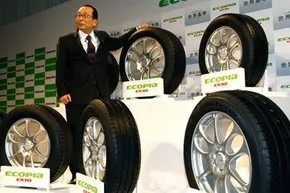
Tire makers finally caught on. Consumers care about gas mileage just as much as regulators care about compliance ratings. Now, low-rolling-resistance tires are mainstream. You can walk into any major shop and buy them.
The Physics of Friction
Rolling resistance isn’t just marketing fluff. It’s real physics. The National Research Council defines it as the force at the axle required to keep a loaded tire moving forward. Put simply: it’s the effort your engine burns to keep the car rolling.
High resistance means you’re wasting fuel fighting the pavement. Low resistance means the tire yields more easily. Manufacturers use specialized tread patterns and synthetic materials to cut that energy drain. Less energy needed equals less gas pumped.
Does the Upgrade Pay Off?
Yes. But check your budget first.
These tires often cost more upfront than standard all-season rubber. The premium varies by brand and size. However, the operating savings are real. Data suggests fuel consumption can drop by about 6%.
Do the math. If that 6% reduction covers the price difference within a year, the upgrade is a no-brainer. Most drivers will see that break-even point quickly.
Stop-and-Go vs. Highway
Context matters. How you drive changes the benefit.
A National Research Council report breaks down the efficiency gains:
– City driving: A 10% reduction in rolling resistance yields a 1.5% boost in fuel economy.
– Highway driving: That same 10% cut jumps to a 2.1% improvement in MPG.
Stop-and-go traffic hurts efficiency. Low-resistance tires help mitigate that drag. Highway cruising benefits even more. The tire stays consistent. The engine doesn’t have to work as hard.
Who Makes Them?
You don’t need to hunt for obscure brands. The big players are all in.
Michelin, Cooper, Goodyear, and Continental all produce low-rolling-resistance options. Availability is wide. Selection is deep.
The result? Your car stays closer to the EPA estimates. Maybe it beats them.
Tires are the only contact point between your vehicle and the road. Optimizing that contact point saves money. It also reduces waste.
What’s your current tire setup? Are you still paying for friction?