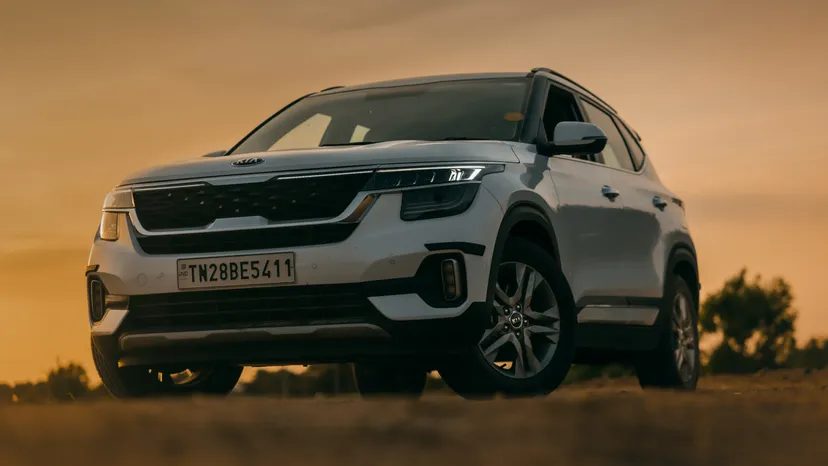
Towing capacity isn’t just a number on a spec sheet. It’s the difference between a smooth weekend haul and a stressful breakdown on the highway. If you’re looking to tow with a Kia, the lineup offers serious options. Some models are built for light duty. Others handle heavy loads with ease.
Kia has built a reputation for reliable powertrains. Their SUVs cover a wide range of needs. You might be pulling a small jet ski. Or maybe just a cargo carrier for a road trip. The right vehicle makes all the difference. Let’s break down the Kia’s tow capacity for their current SUV models. We’ll look at the numbers, the engines, and the tech that keeps things stable.
Short Summary
- Top-tier models like the Sorento and Telluride can tow up to 5,000 pounds.
- All-wheel drive systems provide essential traction for safe towing in bad weather.
- A 10-year/100,000-mile warranty backs up the mechanical durability.
What Defines Towing Capacity?
Towing capacity is the maximum safe weight a vehicle can pull. It’s not a suggestion. It’s a hard limit defined by engineering.
Several factors determine this limit. The engine matters. The transmission matters. The chassis strength matters. Curb weight plays a role too. So does the drive type.
These variables change from model to model. Kia designs its SUVs to offer capability without a luxury price tag. Many models use turbocharged engines to boost low-end torque. That’s what you need for getting a heavy load moving.
The Sorento and Telluride sit at the top of the food chain here. They are built for versatility. But even the smaller options have their place. Understanding the hierarchy helps you pick the right tool for the job.
Kia Sportage: Compact Utility
The Sportage is a compact SUV. It’s not built for heavy hauling. But it handles light loads well.
Its towing capacity peaks at 2,000 pounds. This requires the trailer brake controller. Without that specific setup, the limit drops to 1,653 pounds.
Is that enough for you? It works for small utility trailers. Bike racks fit here. Small campers might be a stretch depending on the model year and trim.
The main selling point here is efficiency. You get adequate towing without sacrificing fuel economy. The vehicle remains agile. Maneuvering a small trailer in tight city streets or campground spots is easier in a compact frame.
Kia Sorento: Midsize Strength
Move up the ladder, and you hit the Sorento. This is a midsize powerhouse. It offers significant towing muscle.
The Sorento can tow up to 5,000 pounds. But there are caveats. The powertrain and trim level dictate the exact number.
For the 2021 model year, the lineup split based on engine choice. The base trims used a naturally aspirated 2.5-liter four-cylinder. Those models were limited to 2,000 pounds.
Higher trims got the turbocharged version of that same 2.5-liter engine. Those could pull up to 3,500 pounds. The top-tier configurations with the proper tow package reached the 5,000-pound mark.
The tow package adds critical hardware. It includes a Dynamax full-time all-wheel-drive system. That means power is distributed to all four wheels constantly. It also adds four-wheel disc brakes for better stopping power.
Differential and torque vectoring cornering control (TVCC) helps keep the SUV planted. When you’re pulling a heavy load around a curve, TVCC applies brakes to specific wheels to stabilize the vehicle. It’s not just about power. It’s about control.
Luxury trims like the SX and SX-Prestige add more than just towing specs. They include smart cruise control with stop-and-go. Lane-keeping assist. Blind-view mirrors. Parking distance warnings. These features reduce fatigue during long hauls.
Kia Telluride: The Heavy Hauler
If you need maximum capability, the Telluride is the answer. It’s Kia’s flagship SUV.
It matches the Sorento’s top rating. The Telluride can tow 5,000 pounds. But the engine underneath tells a different story.
Instead of the four-cylinder, the Telluride uses a 3.8-liter V6. This engine produces 291 horsepower. More importantly, it generates 262 lb-ft of torque. That torque figure is what helps get heavy boats or large travel trailers moving.
This SUV is designed for families who also need utility. You can fit passengers comfortably while hauling significant weight. The powertrain and chassis are tuned for this dual purpose.
Safety tech is standard across the board. Driver-assist integrations like blind-spot monitoring and forward collision warning systems add layers of protection. Towing a large vehicle reduces visibility. These systems help compensate.
AWD and Stability Under Load
All-wheel drive (AWD) is more than a winter safety feature. It’s a towing aid.
In an AWD system, the engine powers all four wheels. This improves traction. It provides stability.
When you tow, weight distribution shifts. The rear axle compresses. The front axle lifts slightly. This changes how the tires grip the road.
Kia’s AWD systems help mitigate these issues. On wet roads, icy patches, or loose gravel, having power at all corners prevents spinouts. It keeps the vehicle tracking straight.
This is particularly useful during winter weather. Snow and ice reduce friction. AWD helps maintain grip. While it doesn’t help you stop faster, it helps you stay in control. Confidence is key when you’re responsible for a heavy load behind you.
The 10-year/100,000-mile warranty adds peace of mind. If you’re pushing these vehicles to their limits regularly, knowing the powertrain is covered for a decade helps justify the investment.
Test driving remains the best way to verify comfort. Numbers on a page don’t tell you how the vehicle feels on the highway. You need to feel the acceleration. You need to hear the brakes. You need to see how the mirrors hold up to wind buffeting.
Kia’s lineup offers a clear progression. Start with the Sportage for light duties. Move to the Sorento for a balance of size and power. Choose the Telluride if you need serious hauling capability without stepping into a full-size truck class.
The choice depends on your load. Not every driver needs 5,000 pounds of capacity. Some just need 2,000. But for those who do, Kia provides the engineering to support it.
What’s your typical load? Knowing that answer narrows the field significantly.
Choosing the Right Kia Towing Package
You are not looking at a single number for Kia SUVs. You are looking at a matrix of engines, drivetrains, and trims that change the answer completely.
Take the Sorento. If you want to pull 5,000 pounds, you need the V6. You also need All-Wheel Drive. Strip away either one, and that rating drops. The Telluride plays a similar game. Its towing capacity ranges from 2,000 to 5,000 pounds depending on which engine you pick and how the trim is loaded.
Then there is the Sportage. It is smaller. Lighter. It tops out at 2,000 pounds when properly equipped. Do not try to push it past that. You will strip gears.
The engine matters. Turbocharged setups often boost towing capacity by tightening the torque curve. Front-Wheel Drive? That usually hurts the rating. AWD distributes the load better. It keeps the rear tires planted. You need that grip when the trailer starts rolling.
Safety Tech That Actually Helps
Towing adds weight. It adds length. It adds momentum. Your brain cannot process all of it alone. Kia tries to fill the gaps.
The 2021 Sorento introduced torque vectoring. It helps keep the vehicle square in turns. You are not just fighting the weight; you are fighting physics. Stability control kicks in when the trailer wants to sway. Traction control keeps the wheels spinning when you launch from a stop.
Look at the driver-assist list.
– Blind-spot monitoring
– Lane departure assist
– Collision warning
– Adaptive cruise control with stop-and-go
That last one is key. Stop-and-go traffic is where towing gets exhausting. Your foot burns. Your mind frays. Adaptive cruise handles the pedal work. It keeps distance. It reduces fatigue.
Other features like Safe Exit Assist warn you if someone is coming up behind you when you open the door. Blind Spot View Monitor actually shows you the camera feed when you signal. Rear Cross-Traffic Alert watches the parking lot. These are not gimmicks. They are necessary when you are hauling 4,000 pounds behind you.
Snow Mode and Traction
Snow mode is not magic. It is a programming change.
It adjusts torque distribution. It softens throttle response. It shifts transmission logic to start in second gear where possible. The goal is less wheel spin. More grip.
When you are towing in winter, traction is everything. A locked-up tire stops the whole train. Snow mode minimizes that risk. It works with the Adaptive AWD system.
That AWD has a Lock Mode. It forces a 50/50 split front-to-rear. You do not want that on dry pavement. It hurts the drivetrain. But on ice, snow, or deep mud? It is essential. It keeps power moving to the wheels that have bite.
Off-road capability matters even if you are just getting to the boat ramp. Rough terrain eats suspension components. It breaks ties. Improved traction systems help you navigate those challenges without getting high-centered or stuck. You get to the launch. You get home.
The Warranty Safety Net
Kia’s 10-year/100,000-mile warranty is aggressive. Most competitors offer 5 years/60,000 miles. This covers the limited basic warranty, the limited powertrain warranty, and limited anti-perforation.
Towing strains the powertrain. It stresses the cooling systems. It wears brakes faster. You want to know that if the transmission fails because of a manufacturing defect, Kia pays for it.
This coverage is not just for peace of mind. It is a financial shield. If you are using your SUV for work. If you are hauling trailers weekly. The extended coverage reduces the risk of catastrophic out-of-pocket repair costs. It signals that Kia expects this vehicle to handle abuse.
Hit the Dealership
Numbers on a page do not tell you how the SUV feels.
You need to sit in the seat. You need to press the gas. You need to feel the braking distance. Towing changes the center of gravity. It changes the braking profile. You need to know how the vehicle behaves before you hook up a load.
Evaluate the interior space. Cargo room matters. If you are carrying gear and a trailer, you need storage. Check the technology. Does the infotainment system distract you or help you?
Assess the acceleration. Does the turbo lag kill your merge speed? Does the V6 feel responsive?
Test driving reveals the flaws. It reveals the strengths. It confirms if the 2,000-pound limit on the Sportage is enough for your jet ski or if you need to step up to the Sorento’s 5,000-pound V6 configuration.
There is no universal answer. There is only the right configuration for your specific load. Visit a dealer. Drive it. See if the towing capabilities match your lifestyle.