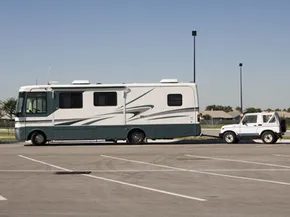
Towing a car is more than connecting a rope and pressing the gas pedal. Physical and safety regulations cannot be ignored if you want to reach your destination without damaging your vehicle or causing fear to all involved. The first rule of thumb is weight distribution. Your towing vehicle, or coach must be at least 750 pounds (340 kg) heavier than the vehicle being towed. If you’re driving a compact sedan to tow a midsize SUV, you’re already starting on the wrong foot.
Then there is the matter of stopping power. Can the lead vehicle stop both units without sliding into the guardrail? If the answer is no, an aftermarket brake system is required. These settings use the coach’s electrical impulse to apply the brakes on the towed car steadily, ensuring it stops when necessary. breakaway brakes is also required. This is a safety net that automatically activates the brakes of the towed vehicle if the towed vehicle accidentally detaches from the lead vehicle. Without this backup, a broken coupler can become an uncontrollable projectile.
Many hobbyists consider towing a natural activity because they drive every day. This is not true. The handling dynamics change completely. You have to wide turns. Longer braking distances are needed. You should practice backing up in spaces where there are no stakes. An empty parking lot is the best classroom. Don’t skip the practice.
We break down the three main ways to get your car from A to B: flat towing, two-wheel towing and flat towing. Each has specific advantages, disadvantages and requirements. Some are safer but more expensive. Some require the removal of drivetrain components before starting the engine. Others require special equipment.
“Driving with a car in tow is a completely different experience than normal driving… We recommend practicing maneuvers such as turning and backing up in a wide, open spaces.”
Let’s start with the gold standard. Next, let’s look at flat towing.