The wait is finally over for the Germans, who are betting their companies on a car that drinks sunlight. Sono Motors has officially announced the production-ready Sono Sion and confirmed that production will begin in the second half of 2023. This marks the end of a journey that began in 2016, when the team built no fewer than 37 prototypes.
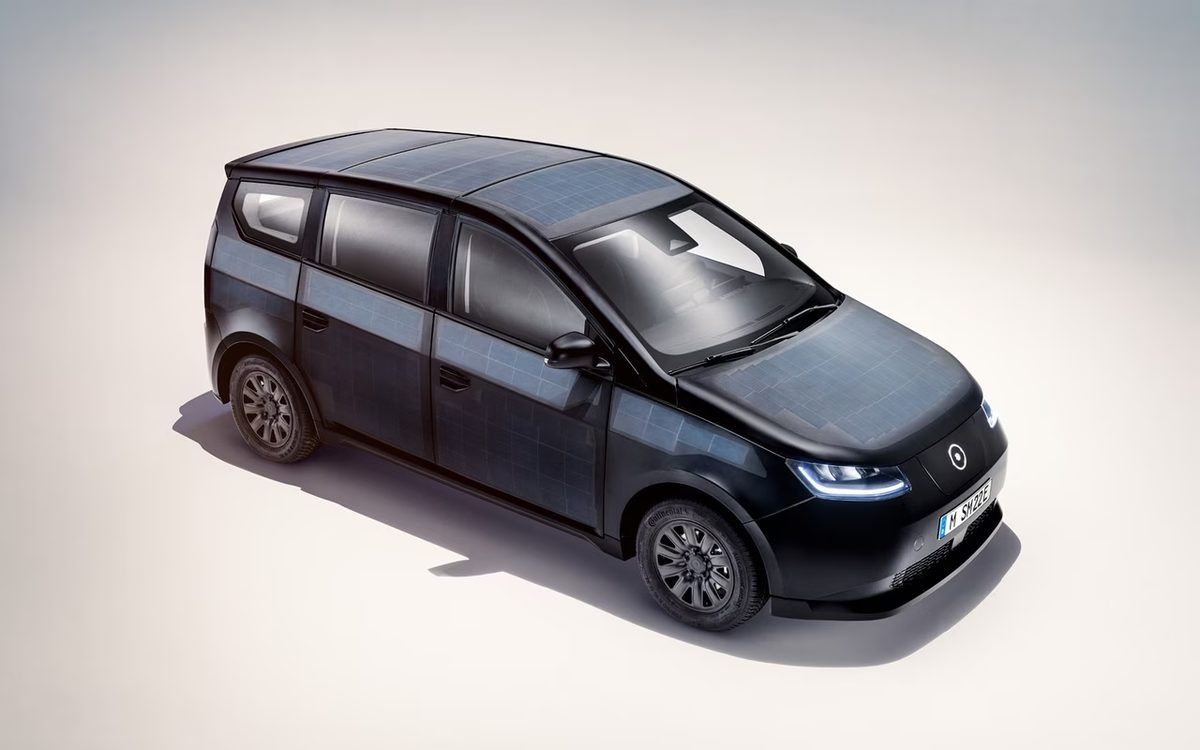
This is more than just a car with solar panels on the roof. Sono Sion series production The entire body of the model is covered with 456 half-cell solar modules. They are integrated directly into the bonnet, roof and doors. The goals are ambitious, but precise. Depending on the amount of sunlight, the car can generate up to 112 kilometers of extra range every week.
Think about it. If you park your car outside during the day, you charging your commute and forget about it. The manufacturer claims that it can run on total energy autonomy for short distances. No plug needed. Just park your car, let the sun hit the panels and go.
If you need to travel beyond the local grocery store, you can use the 54 kWh lithium-ion battery. With a standard charge, the travel distance is said to be up to 305 kilometers. Charging speeds are decent, too. You can connect a DC fast charger with a maximum power of 75 kW or use a standard AC home setup with 11 kW.
But the real highlight is the two-way charging feature. The Sion isn’t just a consumer of electricity; it is a provider. You can also use your car battery as a power source for electrical appliances, your home and even other electric vehicles. Power is limited to 11 kW. This way your car becomes a huge power bank. Is this the future of energy resilience? Perhaps. This is certainly a different feature than the standard EV package.
Top speed is electronically limited to 140 km/h. It’s not a sports car. This is a family hauler designed for efficiency, not track days.
The final production design has tweaked a few things compared to the original prototype. The headlights have been improved. The charging port cover is different. The door handles have been redesigned to improve aerodynamics and ease of use. Changes were also made inside the cabin. More storage than the original rendering suggests. The steering wheel and seat have also been redesigned to improve comfort.
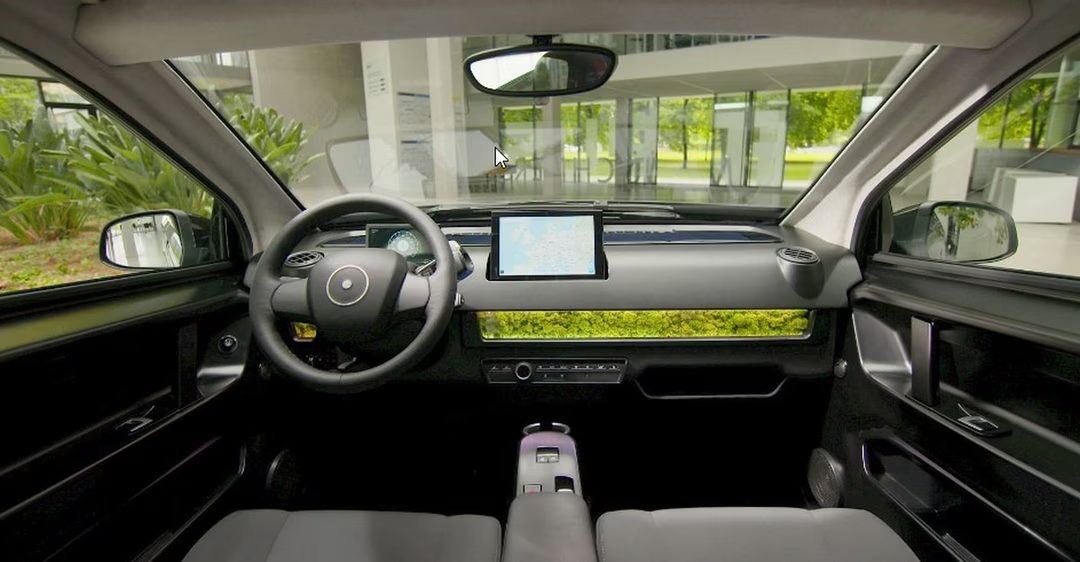
One quirky feature remains. It is an air filtration system. It uses a foam that is integrated into the entire width of the dashboard. It sounds odd, but this is the core part of the interior design language. Customers can also choose the color and trim options, and it is very practical in its mission because it can customize the vehicle to some extent.
園子温シリーズ电影 ボードがなんますますたしたしたしたしたしたしたしたしたしたしたしたします。 Here’s the hard part. It’s to build enough devices to meet the needs that will be generated.
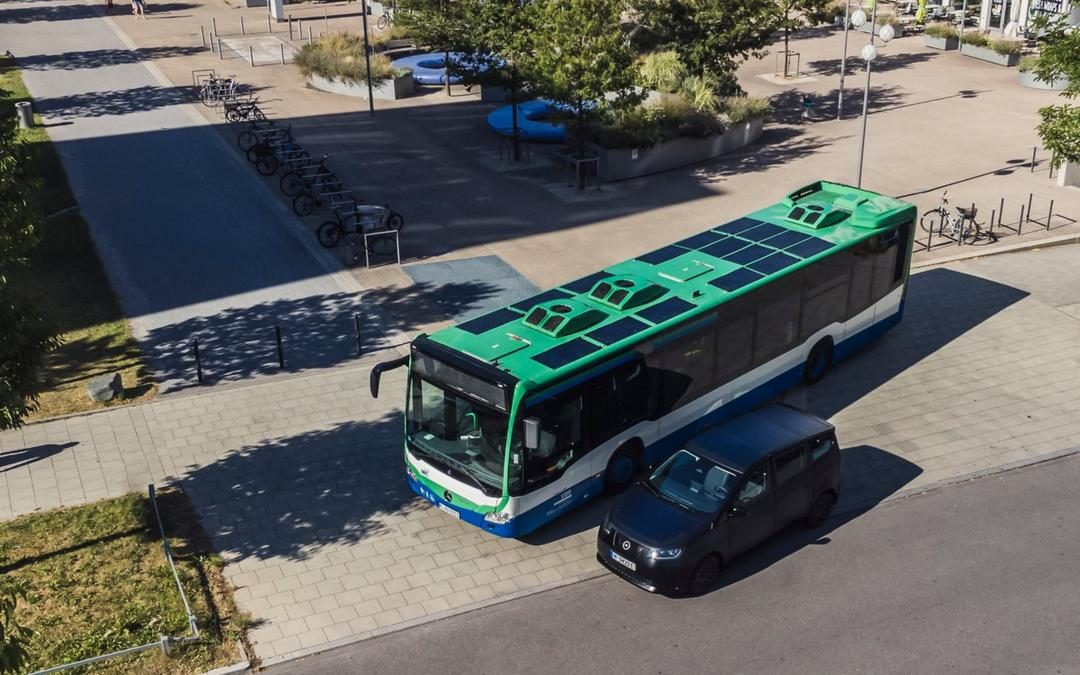
The momentum of solar-powered MPV cars is increasing, but delivery channels are changing. Sono Motors does not produce the Sion itself. The Finnish company Valmet Automotive will start production next year. The move from mainland Germany to the Finnish factory is an important step toward manufacturing reality.
The numbers are becoming concrete. The company reports having recorded 19,000 reservations. The target price is around 25,126 euros. This is a significant reduction from the original estimate of about 25,500 euros. Our goal is very ambitious: to sell 257,000 cars in seven years. This is about repeating the volume. They are not creating anything special and exotic. Their goal is to bring solar-powered electric cars to the mass market.
Natural foam filtration is used inside the cabin
Its appearance grabbed all the headlines last year. Now the focus is on interior design. Photos published by the Munich-based company show a cabin that prioritizes air quality and sustainability.
The distinguishing feature is not the screen. This is the material. The interior is designed with natural foam designed to filter the air. It is clearly green. But color is secondary to function. The foam regulates humidity. It cleans the air inside the car. And it doesn’t require special repairs. This is a practical detail for a family car.
Eco-friendly materials sit above the 10-inch digital display. Sono has not yet revealed the underlying technology stack. There’s no word on whether it’ll be Android Auto, Apple CarPlay, or a proprietary system. It’s just there. We continue to invest in materials and space.
Why solar range matters in daily use
Sion is positioned as a family hauler. The room can accommodate 5 people. Equipped with height-adjustable safety belts. The luggage compartment is spacious enough for weekend groceries. The towbar is ready for the holiday season. Designed to fit in real life, not just in the showroom.
The technical data says a lot about its practicality in everyday life. It can drive up to 250 kilometers on a full charge. This is the starting point. But solar panels add something else. Relying on sunlight alone, it can extend its range up to 34 kilometers. The goal is not to win the Nürburgring. It’s designed to extend your weekly commute without plugging in.
The powertrain is modest, but sufficient. The 120 kW electric motor drives the car to a top speed of 140 km/h. The battery capacity is 35 kWh. Although small by modern EV standards, it saves weight and costs. It can also be charged from a standard socket. Slow loading yes. But available everywhere.
Production planning adjustments for space
The final production model looks different from the early renderings. Sono listened to the feedback. The body is longer. It’s wider. The cabin volume is larger. It’s more than just aesthetics. It’s about habitability.
Windows were added to the rear side panels. This improves visibility. It lets in more light. It makes the interior less claustrophobic. This change addresses common complaints that small electric cars feel cramped. Sion strives to avoid this pitfall.
Valmet Automotive in Finland will assemble by Finnish Valmet Automotive. This partnership provides the manufacturing infrastructure that Sono lacks. This allows you to scale without building a factory without having to build it from scratch. Time is running out. The first products will be delivered by the end of the year.
In addition to cars: solar power for buses and trucks
Sono is stopping at passenger cars. Solar power technology is modular. Suitable for large vehicles. The company has developed a kit for 12-meter public transport buses. Fits standard models such as Mercedes-Benz Citaro and MAN Lion City.
The technical data of the bus kit are impressive. The peak power is about 1.4 kW. Panel about 8 square meters. It does not replace diesel engines. It assists. Powers the HVAC system. The result? This saves up to 1,500 liters of diesel per bus per year. That’s four tons of CO2 eliminated annually from just one vehicle. 4 tons of carbon dioxide per year.
This logic also applies to trucks and electric transport trailers. Solar energy is complementary. Reduce energy costs. Reduce emissions. This is a scalable solution for fleets.
Realities of ownership and repairs
Its unique selling point is that it is repairable. Sion comes with spare parts. The idea is that drivers can solve basic problems themselves. No need to wait for the dealer. There is no downtime. It’s a philosophy based on ownership, not just consumption.
So far, the number of reservations has crossed the 10,000 mark twice. The latest figure was 19,000. Prices are falling. Production partners have been identified. The design is frozen. What’s left? Wait. And it is hoped that the Finnish factory will be able to achieve these production goals.
The solar energy industry has been making a lot of promises for a long time. Sion is one of the few products that actually has a manufacturing partner and a specific release window. It remains to be seen whether the 34 km solar reach will suit the average buyer. But for those tired of the range anxiety on short trips, it can be a gap killer.
The battery capacity is 35 kWh. The engine power is 120 kW. The roof is 248 cells. The rest is just context.
A solar panel that fits your body perfectly
The visual integration makes the Sono Sion look less like a science experiment and more like a car. Solar panels embedded in roofs, bonnets, trunks and doors are not difficult to place on metal panels. These are built into the bodywork. Sono Motors claims that this solar cell can extend the range on a sunny day by 34 km. However, there is a problem. Currently, solar charging only occurs when the vehicle is parked and stationary. This is trickle charge at idle, not a highway boost.
The basic electric range is 255 kilometers based on the WLTP cycle. It is a lithium-ion battery with a capacity of 35 kWh. You can plug it into a regular outlet or use a fast charging station. The system also supports V2L (vehicle-to-load) functionality, which allows it to power external devices or even help charge another electric car. This is a useful feature that comes in handy when camping or in an emergency.
Actual costs of using solar energy
This is where the buyer becomes interested in mathematics. The total price of Sion is 16,000 euros. But it’s just a body. The battery is sold separately for 9500 euros. Add all this up and you need €25,500 for a fully equipped unit. This is a modular approach. If you don’t need the whole range, you can reduce the number of batteries you buy. In this case, you have to pay the premium.
Despite the complex price structure, the demand seems to be real. Sono Motors reported 9,551 bookings on their website in mid-2018. The number has increased from 5,000 a few months ago. The German government aims to put one million electric cars on the road by 2020 and supports battery developers in achieving this goal. Sion fills exactly this policy gap.
Do-it-yourself maintenance and air quality
Sion is more than just electricity. It’s about accessibility. Sono Motors offers a range of free downloadable service manuals and tutorials. The goal is to simplify maintenance and reduce costs for owners who want to do the work themselves. This is a change from the dealer-only model that dominated the EV market.
The cabin has some interesting special features. It is a natural foam filter. Regulates humidity and binds dust. According to the company, no special maintenance is required. It’s a small detail, but it underscores the focus on practical, frictionless ownership.
生产时间表和市场背景
充电系统的开发工作即将结束。 预计于 2019 年开始生产,不久后开始销售。 这家总部位于慕尼黑的初创公司成立于 2016 年,自 2017 年 7 月公布这一概念以来,一直在完善太阳能集成。他们不仅仅是测试理论,而是building a car,以弥补标准电动汽车和太阳能设备之间的差距。
25,500 欧元的价格点是否能与更长续航里程的竞争对手相比还有待观察。 太阳能附加装置是独一无二的,但 34 公里的free range足以证明其复杂性吗? 预购表明人们是这么认为的。 生产线将告诉我们他们是否只是钱包空空的早期采用者。