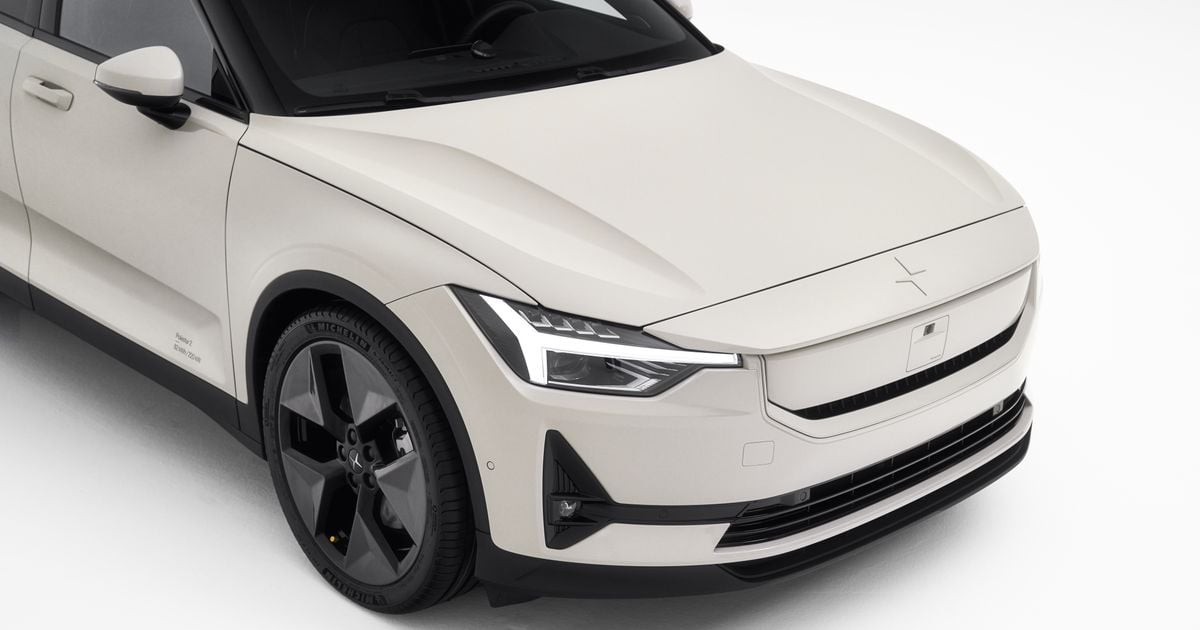
Polestar is streamlining its electric vehicle lineup for the 2027 model year (MY27). By discontinuing its most affordable entry point, the manufacturer is signaling a strategic shift toward higher-spec, long-range performance.
A Shift in Strategy: Range Over Affordability
The most significant change for the MY27 Polestar 2 is the removal of the Standard range Single motor variant. Polestar has stated that this decision aligns with shifting consumer preferences, as buyers increasingly prioritize longer driving ranges over lower initial purchase prices.
This move effectively raises the “barrier to entry” for the model. The new starting point for the lineup is now the Long range Single motor, priced at $66,400 (before on-road costs). While this price remains stable compared to the 2026 model, it represents a $4,000 increase over the discontinued base model.
Technical Specifications and Performance
With the removal of the 70kWh nickel manganese cobalt (NMC) battery, the entire MY27 range will now exclusively utilize the 82kWh battery pack. This transition offers several technical advantages:
- Increased Range: The Long range Single motor now delivers up to 659km (WLTP), compared to the 554km offered by the previous base model.
- Faster Charging: The maximum DC fast-charge rate has been bumped from 180kW to 205kW.
- Dual-Motor Capability: Variants with dual motors will offer a range between 568km and 596km.
Feature Enhancements and Value Additions
While the core lineup remains largely consistent with the previous year, Polestar is adding value to its top-tier models. The flagship Dual Motor with Performance pack now includes Pixel LED headlights and a Bowers & Wilkins sound system at no additional cost—a package valued at approximately $5,100.
Standard technology across all MY27 models includes:
– A 12.3-inch digital instrument cluster.
– An 11.2-inch touchscreen with Google Built-in.
– Adaptive cruise control and blind-spot assist.
– A surround-view camera system.
Market Context: The Competitive Landscape
This lineup adjustment comes at a critical time for Polestar. While the brand saw a 13% sales increase in the first quarter of this year, the Polestar 2 is facing intense pressure from both premium and mass-market competitors.
The current market hierarchy for mid-size EVs reveals a significant gap between Polestar and the industry leaders:
– Market Leaders: The Tesla Model 3 (1,363 units) and BYD Seal (934 units) continue to dominate the segment.
– Polestar’s Position: The Polestar 2 is currently outperforming the Hyundai Ioniq 6 and MG IM5, but it remains a niche player compared to the high-volume sales of Tesla and BYD.
– Internal Competition: Within the Polestar brand, the newer Polestar 4 SUV has already overtaken the Polestar 2 in sales volume, with 307 units delivered this year compared to the Polestar 2’s 139.
By eliminating the base model, Polestar is betting that customers are willing to pay a premium for battery longevity and faster charging, moving the brand further upmarket.
The MY27 Polestar 2 lineup is expected to arrive in Australia by mid-2026.