


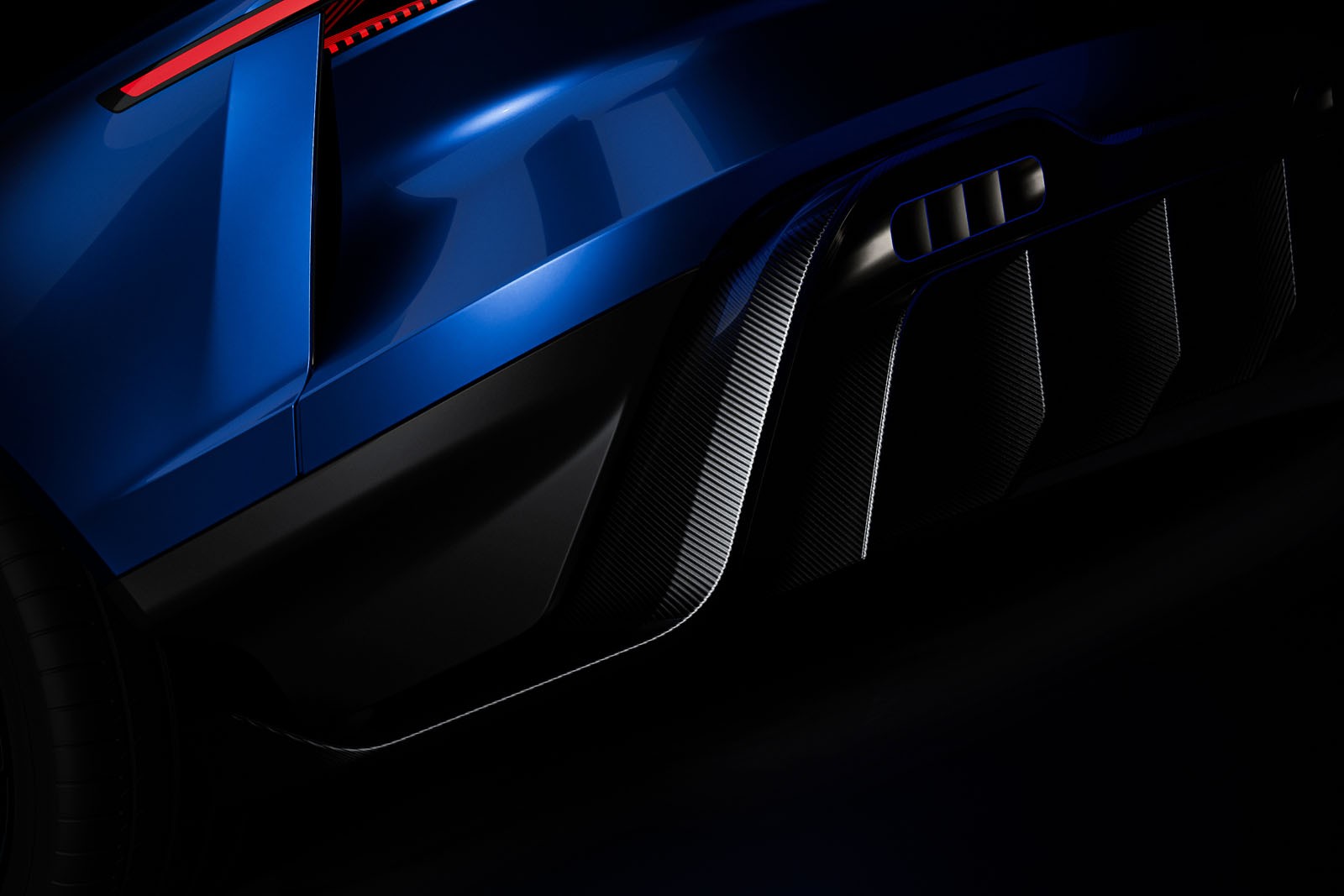
Jensen isn’t playing it safe this time.
The brand is back, and not with another cautious nod to history. Oxfordshire-based Jensen International Automotive (JIA) has confirmed the Jensen Interceptor GTX, a machine built for the track and designed to make a loud, visceral statement. Forget daily usability. Forget comfort. This is about intent. Pure, uncut, analog aggression.
You might remember Jensen for the FF, or perhaps the recent wave of high-end restomods where old metal got new bones. But the GTX isn’t a rebadge. It’s all new. A standalone creation. It serves as the apex predator in what will presumably be a range of new Interceptor derivatives. The road cars might come later. Maybe they’ll even be sensible. The GTX, though? No. It is the extreme statement that defines the rest.
Why Build a Track-Only Analogue Supcar Today?
We live in an age of touchscreens and autonomous braking. So why bring back a supercharged, manual-shifting beast?
Jensen’s leadership, specifically MD David Duerden, has hinted at the reason: timing. The unveiling targets the end of the year, marking the 60th anniversary of that original, groundbreaking Interceptor reveal. It’s a heritage play, yes. But it’s also a reaction.
“The GTX will set new benchmarks and provide the pure… driving experience that discerning clientele are demanding.” — Jeff Qvale
Jeff Qvale isn’t just some name dropped in a press release for credibility. He is the son of Kjell Qvale, who owned the Jensen nameplate from 1970 to 1976. As a key partner, he understands that modern luxury hasn’t captured everything. Enthusiasts want to feel the road, hear the mechanical harmonics, and control the throttle with a wrist, not a tap on a screen. They want ultra-analogue interaction in an era where that trait is almost extinct.
Anatomy of the New Jensen Interceptor GTX
What does the car actually look like under the skin?
- Construction : Aluminum chassis and bodywork. Lightweight, strong, built to flex without breaking under hard track loads.
- Powertrain : A bespoke supercharged V8. No mass-produced plug-in hybrid powertrains here. It is a dedicated, custom-engineered internal combustion heart.
- Interface : A promised fully analog driving experience. Physical dials. Likely a manual gearbox. You pull levers, not swipe glass.
It is important to distinguish the GTX from its potential road-legal siblings. While this version is a dedicated track tool, the underlying architecture suggests JIA is planning a spectrum of cars. Some will have “variable degrees of usability.” Others might never leave a tarmac rectangle.
How Does This Compare to the Failed S-V8?
Skepticism is natural. Jensen has burned before.
Look at the 2001 S-V8. It arrived to strong critical reviews. The press liked it. But buyers? Not so much. Only forty S-V8s were ever built, including prototypes. A mere twenty-three found actual homes. Why did it fail then,


