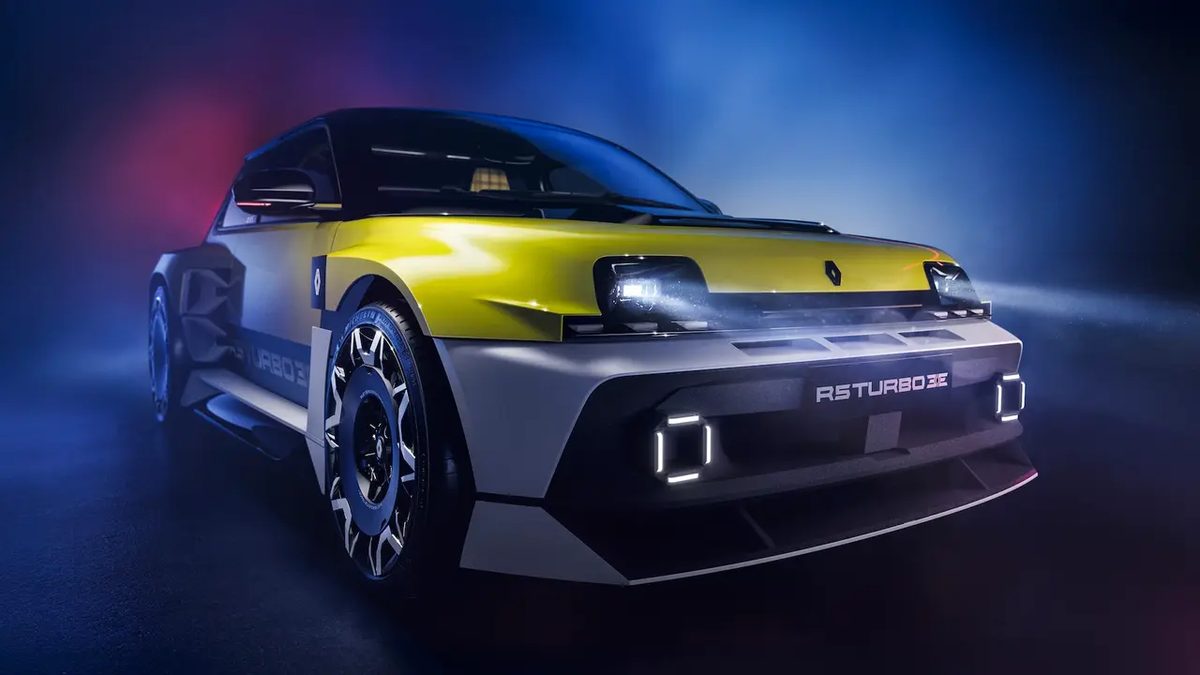
The R5 Turbo 3E is more than just a retro car. This is a statement. Limited to only 1,980 units, the machine combines wild sports tradition with cutting-edge technology. The car will join Renault’s range of electric city cars in 2027. The group already has two recent Car of the Year winners. They are Renault 5 E-Tech and Alpine A290. But what about this? This is different.
Raw Power for the Back Seat
Forget efficiency for a moment. This car is all about adrenaline. The R5 Turbo 3E uses two electric motors. They sit on the rear wheels. Total output? 540 horsepower.
It has a lot of power for a small city car. Accelerates from 0-100 km/h in under 3.5 seconds. Yes, really. It’s supercar territory. We’re talking about times that rival some of the most famous supercars on the market today.
The R5 Turbo 3E produces 540 horsepower and accelerates from 0-100 km/h in less than 3.5 seconds, putting it in direct competition with top-of-the-line supercars.
Why this matters
Most electric cars are designed for commuting. Slow speed. High range. Quiet. R5 Turbo 3E ignores this rulebook. It takes the iconic styling of the original R5 Turbo, a legend of the 1980s, and gives it modern teeth.
Alongside the A290 and regular R5 E-Tech. While these are practical daily drivers, the Turbo 3E is a halo car. This proves that Renault can still make cars that make the heart skip a beat. Not just your bank account cry.
The numbers don’t lie
The specs are crazy, so let’s take a look:
- Power: Total 540 hp
- Motors: Dual electric unit on the rear axle
- Acceleration: 0-100 km/h <3.5 seconds
- Production: Limited run of 1,980 units
This is not a concept car on display in a museum. It is coming to roads in 2027. And only 1,980 of you will own one.
The first generation R5 Turbo won Group B rallying. It’s ugly, fast and dangerous. The new product is electric, silent and its functionality is limited. But the spirit? The spirit is still there. You can feel it in those 540 horses kicking the rear tires.
Will it change the electric car market? Maybe not. However, it is certain that people’s perception of small electric vehicles will change. It doesn’t have to be boring. They can be demonic.
if you miss the window in 2027… well, 1,980 is a small number. Once they are gone, they are gone.
Charging Speed and range
The 70 kWh battery offers a range of about 400 kilometers in WLTP testing. That translates to about 249 miles for those who prefer imperial units. The numbers in this area are big, but the real question here is how fast you can fill your tank. Thanks to its 800-volt electrical architecture, the Turbo 3E can not only glide, but also accelerate. Supports DC fast charging up to 350 kW. This means you can charge from 15 to 80% in just 15 minutes. For track day enthusiasts or those planning long weekend runs, this speed is the changes the game. No need to wait for coffee. You’re waiting for the plug to be pulled.
Fusion of retro design and carbon fiber
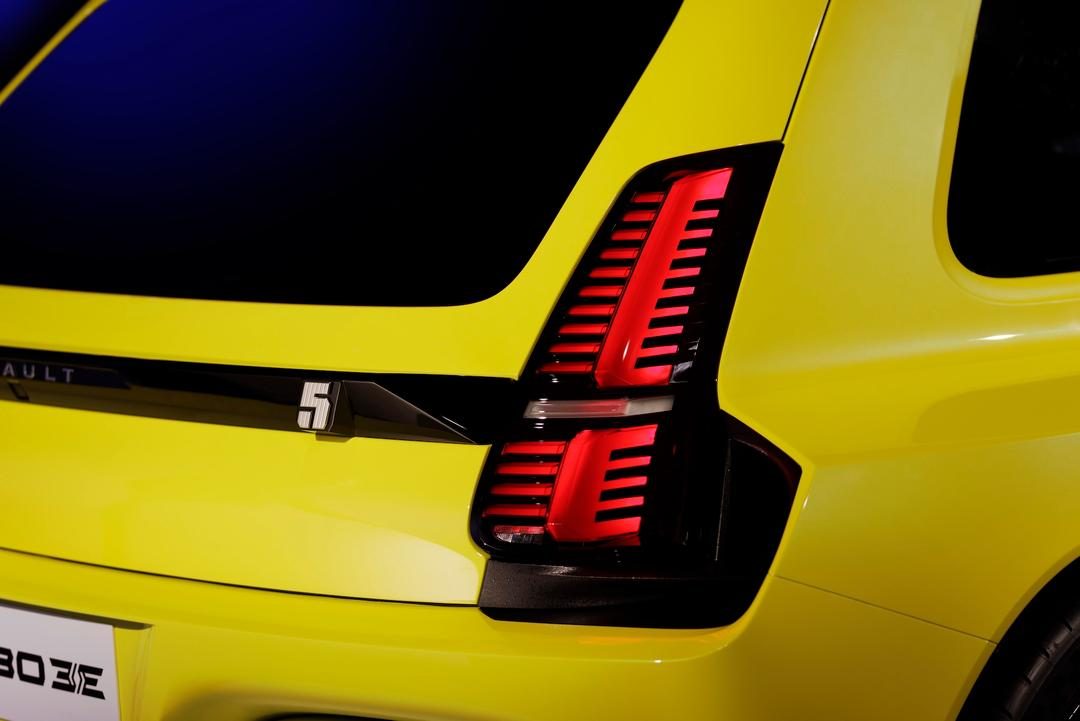
The design walks a tightrope between nostalgia and pure modern aggression. Renault pays homage to the original 1980s icon, but it’s more than just a retro sticker on your average hatchback. The body is constructed from carbon fiber. This is not just about looks. Muscular lines and wide fenders define an aggressive stance and reduce weight. The lighting is distinctly modern, and the LED front and rear lights both nod to the past and are implemented with modern precision. It looks fast even when stopped.
The cabin interior has been streamlined to improve performance. There are no fancy seats here. Instead, it has bucket seats designed to hold your body in place during tight turns. The FIA-compliant safety cage increases structural rigidity and, most importantly, improves safety in fast, dynamic driving. Yes, there is a vertical handbrake. This is a direct nod to tradition, especially for those who want to practice drifting. This is a functional tool disguised as a stylistic choice.
The Electric Future of icons
The Renault 5 Turbo 3E proves that electrification doesn’t have to mean boring. With its limited-edition status, Renault shows that the future of mobility can still produce adrenaline. It’s not just zero emissions. Its purpose is to preserve the soul of the legendary nameplate. The combination of quick charging, carbon fiber construction and Rally interior details creates a package that feels special. It remains to be seen whether it will remain a collector’s item or whether it will become the daily driver of enthusiasts. But now it’s at the crossroads of history and high-voltage performance.