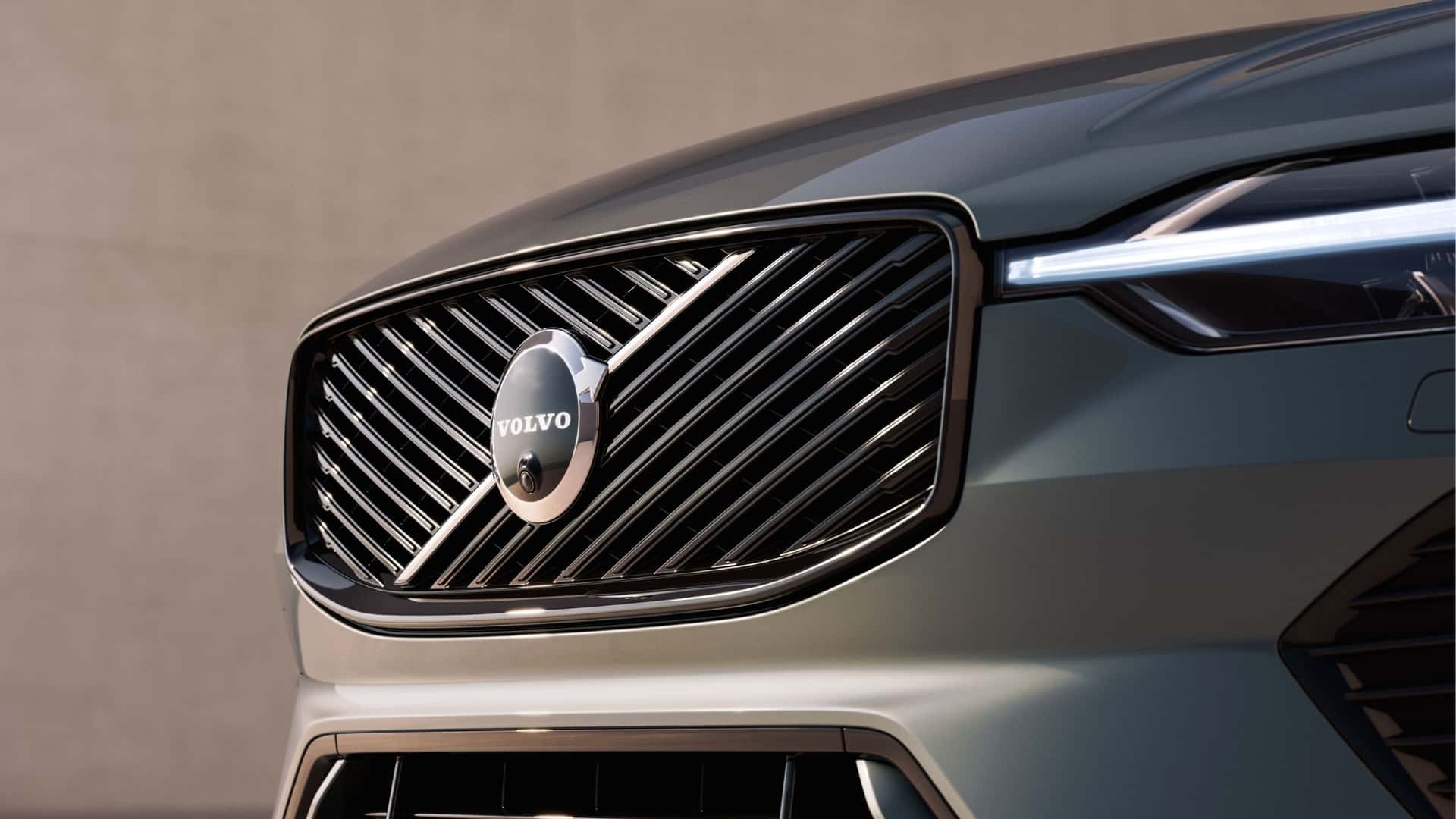
Volvo is preparing to shake things up.
September 17. Mark the calendar.
The Swedish automaker will finally lay its cards on the table during its Strategy Update. Before the full plan drops, they are showing off two electrified models first. Rumors suggest plug-in hybrids (PHEVs), not just bare-bone battery electric vehicles (BEVs).
Here is what actually matters, stripped of the press release gloss.
Hitting Reset on Product Offerings
First half of 2025 wasn’t kind. Retail sales fell by eight percent to 324.8k units. That hurts.
But the other half? CEO Håkan Samuelsson predicts a “significant” sales jump. Why?
- The EX60 is finally being delivered.
- The EX90 order book is overflowing.
- New internal combustion variants might arrive sooner than you think.
Volvo officially dropped the 2030 “EV Only” target. This is huge. It means the door is cracked open for plug-in hybrids and even regular combustion engines, provided they help meet climate goals without alienating customers who can’t jump straight to full electric yet.
The “Two New Cars” Hint
Expect to see two new vehicles in early autumn. Volvo is being coy about specs.
But context clues point to one conclusion: Updated Plug-In Hybrid models.
Don’t expect revolutionary new shapes from thin air. Expect refreshed versions of current PHEVs with slightly bigger batteries for more electric range. Think facelifts. Think incremental improvements for a market hungry for variety but cautious about pure EV range anxiety.
These are just the appetizers. The main course arrives with the full strategy rollout on September 17.
More Than SUVs? A Sedan and Wagon Are Coming
The biggest whisper in the industry, now backed by Automotive News reports: Volvo is developing a new sedan and wagon in Europe.
This isn’t a rumor anymore. It is a development fact.
For years, Volvo leaned so hard on crossovers and SUVs that customers asked for a sedan again. Now they are delivering. But there is a catch regarding global availability.
If you are in the United States, the all-electric version of this new car won’t hit showrooms until at least 2028. It is far off. But if you live in China, or parts of Asia, Volvo keeps selling sedans. The S90 got a facelift recently. The S60 and V60 still exist in specific markets. They haven’t abandoned passenger cars entirely—just de-prioritized them in the West.
Contract Manufacturing in Ghent?
Here is a twist most don’t see coming.
Volvo is willing to build cars for other brands.
They signed a memorandum with the Belgian federal and regional governments regarding their Ghent factory. The goal? Boost production numbers. If no one wants enough Volvos to run the line at max capacity, build someone else’s cars instead.
Since Volvo is owned by China’s Geely Group, the options are practically limitless. Geely also owns:
* Lotus
* Polestar
* Zeekr
* Lynk & Co
* LEVC
* Radar Auto
Volvo’s Ghent plant could theoretically churn out vehicles for these sister companies. Or anyone else. It’s a smart play for utilization rates. It keeps the workers employed. It keeps the machine running.
Why This All Adds Up
Volvo is pivoting from “Electric-First” to “Customer-First.”
SUV fatigue is real. People are bored of crossovers. Introducing a sedan and wagon—especially if a Cross Country -style high-riding variant pops up later—gives buyers an alternative.
Meanwhile, contract manufacturing secures the Ghent facility’s future against volume drops. And PHEVs? They are the bridge.
The question isn’t really if Volvo will make more cars. They’ve admitted it. Håkan Samuelsson told reporters earlier this year that SUVs won’t be the only shape on the road in five years.
So, when that PHEV wagon lands, will you look away? Or are you tired of the SUV mountain?
The answer probably decides who survives the next decade.