The wheel is off. The rotor is exposed. You’re staring at the brake assembly, and it’s time to actually do the work you promised yourself you’d tackle.
Let’s recap the position. Your car is raised. The tire is gone. You have direct access to the caliper and rotor. The first step isn’t touching the pads. It’s removing the caliper.
Grab your wrench. Loosen the bolts holding the caliper bracket or the caliper body itself. Don’t just loosen them. Remove them completely. Or, if they’re seized, remove them as far as they’ll go.
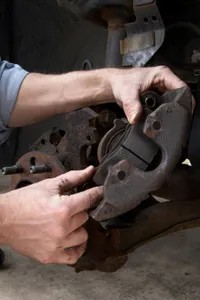
Once the bolts are out, lift the caliper off the rotor.
Here is where most DIYers mess up. The caliper is still attached to the car by the brake hose. Do not let it hang. Gravity will stretch that line. Over time, or just from the strain of hanging there, the flexible hose can fail. That leads to a leak. A leak leads to brake failure. You don’t want that.
Secure the caliper to a suspension component. A bungee cord works. A piece of heavy gauge wire works even better if you’re careful. Hook it to the strut or control arm. Make sure the brake line is slack. No pinches. No kinks. No tension. Keep it out of the way of your tools for the next steps.
Now look at the rotor. Without the caliper blocking your view, you can see the surface. Is it deeply scored? Are there heavy grooves? If yes, you have a problem. Resurfacing might fix it. Often, you need to replace the rotor entirely. Don’t just slap new pads on a wrecked rotor. It won’t stop right. It’ll chatter. It’ll wear out the new pads in a thousand miles. Check all parts. Always.
Flip the caliper over. Now you see the brake pads. They’re held in by pins. Sometimes bolts. Sometimes both. Remove the hardware. Slide the pads out.
Inspect them. Are they thin? Are they worn down to the metal? Compare them to the new set you bought. If the old ones are practically gone, you made the right call. It’s time to install the new ones.
Good job getting this far. The old pads are out. The caliper is safe. Now, let’s put the new ones in and finish the job.