A second identity
Xiaomi is doing it again. Or maybe, just shifting gears. They are launching Sky Nomad (Xun Tian), a distinct sub-brand aimed squarely at the extended-range electric vehicle market. This isn’t an afterthought. It’s a pivot. A deliberate move away from pure electricity toward the pragmatism of EREVs.
Who powers this machine? Sunwoda and CALB. Not the usual suspects. At least, not exclusively. 21 Business Herald has the scoop, and it looks like a serious shake-up of the supply chain.
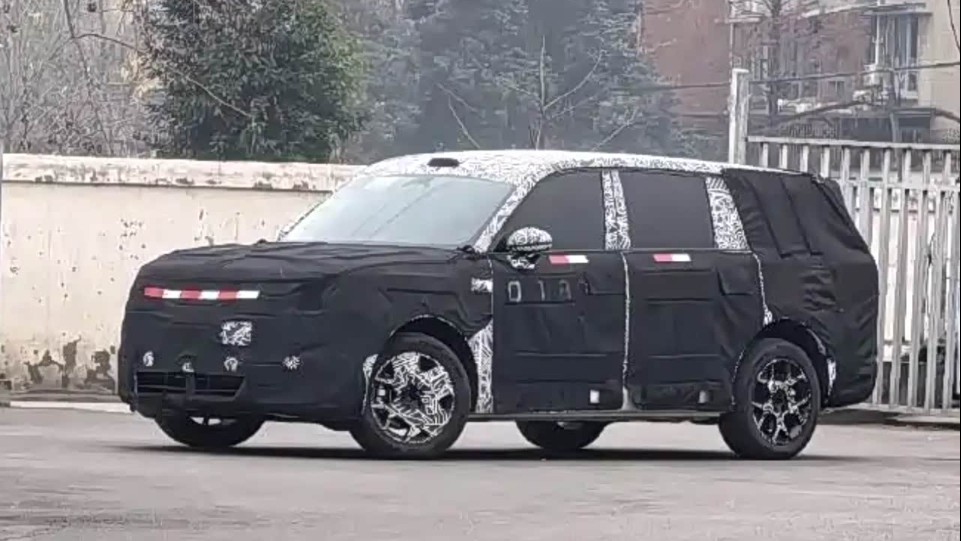
The Kunlun N3
Meet the first offering. Codename: Kunlun N3. A full-size SUV. Massive, really. Over 5,300 millimeters long, with a wheelbase stretching to about 3,100. It lands in the second half of 026. That’s a year and a half away, plenty of time for speculations to fester.
Power? A 1.5-liter range extender. Pure electric range sits between 400 and 500 kilometers. Add the tank to the mix and you get roughly 1,50 kilometers. That is a long drive without a charger. Or maybe two. Or three.
Breaking the CATL monopoly
Here is where it gets interesting. Xiaomi has been heavy on CATL. Like, very heavy. By April 026, they’d delivered over 656k vehicles. More than 80 percent of those batteries came from CATL. The SU7. The YU7. All relying on that same source.
Risk? Yes. Cost? Also yes.
So they are splitting the pie. Sunwoda takes 60 percent. CALB takes the rest. 40 percent. It’s a structured diversification. A hedge against monopoly power. Both suppliers are giants in their own right, especially in the hybrid space.
Sunwoda currently leads China in hybrid EV battery market share. CALB? They climbed fast, ranking third overall in installations in 025 with a 7. percent share. Trailing CATL and BYD, certainly, but still substantial.
Leverage. That’s what this buys Xiaomi. More voice in the room.
Why bother?
Family. That’s the target. Sky Nomad isn’t chasing the pure-performance ethos of the main Xiaomi lineup. No sleek tech-aesthetic minimalism here. It’s about utility. About space. It wants to eat Li Auto ’s and Aito ’s lunch.
Prices matter. Most top-selling EREV SUVs last year cost above 250k yuan (around 36.8k USD). Xiaomi thinks it can do more for less. Or at least, more value.
And geography? The West is still figuring out charging infrastructure. EREVs don’t mind range anxiety. They ignore it. This is the key for expansion beyond domestic borders.
Building inward
They aren’t just outsourcing. Xiaomi runs a battery R&D team with over 22 members. There’s a pack assembly plant in Yizhuang. They are keeping some assembly in-house, likely for better quality control. Or margin protection. Probably both.
It’s a messy market. Fast moving. Xiaomi knows you can’t put all eggs in one basket, especially when the basket belongs to CATL. So they bring in Sunwoda. CALB. They split the quota.
It feels less like innovation and more like survival instinct. Is that bad? No. It’s just smart business.
The sky is wide open. Literally.