


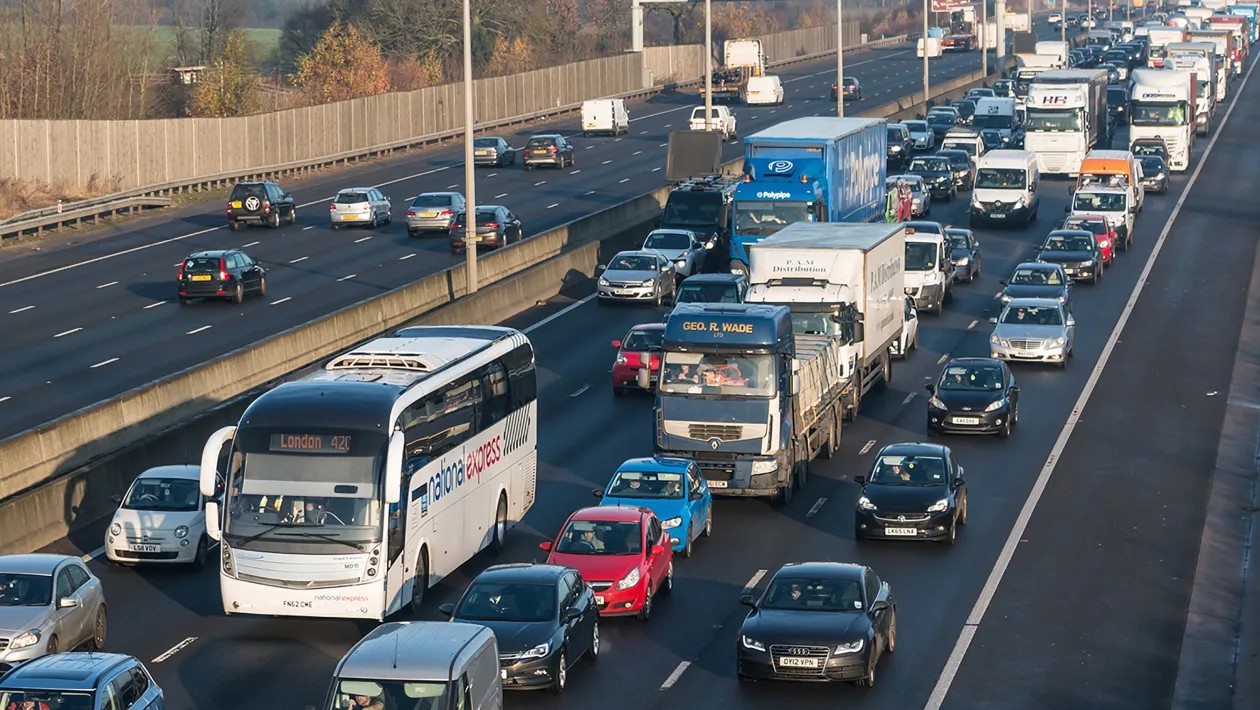
Road traffic in Britain is up. Finally. It’s been five years since the pandemic sent mileage tumbling by over twenty percent, and we’ve officially passed pre-Covid numbers. Or so it seems.
The Department for Transport put out the data. In 2025 alone, 342.6 million vehicle miles were driven across Great Britain. Up 1.9% from the year before. A record high since 2019. That was the last year before everything stopped. Back then we clocked 338.6 million miles.
Look closer though. Cars specifically aren’t quite where they used to be.
Car traffic hit 262.4 million miles. Tiny difference? Sure. But it’s 0.2% below 2019 figures. Almost there. Not there. And there is a wall coming.
Fuel prices. They’re high. And if they stay that way? People drive less.
The US-Israeli war with Iran has already sent pumps reeling. An INRIX spokesperson warned that if prices keep climbing into 2026, discretionary travel gets the axe first. Leisure trips vanish. The long weekend drive becomes a luxury no one can justify.
“Looking ahead to 20 Petrol prices are high, though. RAC data puts average petrol at 159p a liter. Diesel? Almost 185p. Petrol hasn’t been this pricey since the conflict started. Diesel peaked higher back in April, touching nearly 192p, but it hasn’t returned to those dizzying heights yet.
We paid through the nose last bank holiday weekend. It was the busiest leisure travel weekend in two years. Nineteen million trips. All fueled by expensive gasoline.
Is the data lying? Sort of.
INRIX says behavior hasn’t actually shifted broadly yet. Trip volumes are steady. Driving speeds are steady. The “margins” haven’t crumbled. Just yet.
So we are driving more total miles, but slightly fewer car miles, while paying historic prices for every one. What happens next depends on how much pain people are willing to absorb before they simply stop leaving the driveway.
The numbers say we’re back. The wallets say we’re not.


