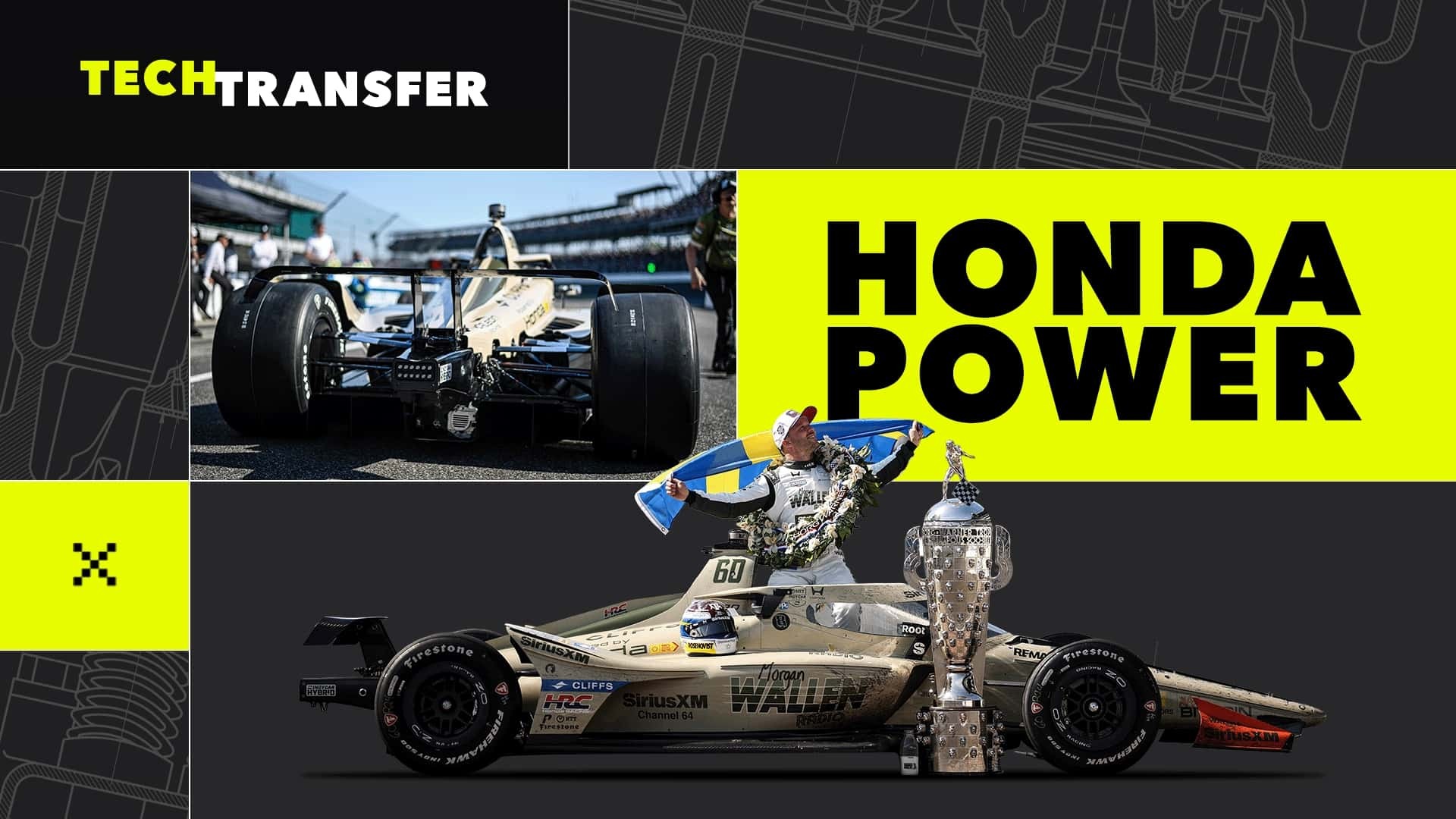
The 100th Indy 500 was chaotic. Felix Rosenqvist grabbed the trophy. Helio Castroneves broke a laps-completed record. The finish was the tightest in history. But there was a bigger winner than any driver. Honda.
For decades, they’ve built the engines that scream down the straightaways. It looks like two different companies, really. The racing arm feels detached from the Passports and Civics cluttering suburban driveways. But the blood flow is real. Performance tricks from the track do trickle down into your daily driver.
The Big Meeting
Before the green flag drops, HRC President David Salters and VP Kelvin Fu talk shop. They explain the machine. The core mechanism is the Honda Technical Forum. Every year, every branch converges. Yes, even HondaJet. They compare notes on tech that could migrate between sectors.
Last year the focus was hybrids.
‘So last year, it was hybrid, people were picking up on what we’ve learned… energy management.’
This matters. Honda burned nine billion dollars on EVs, a costly misstep. Yet they stuck with hybrids, mastering the tech long before it was trendy. That discipline fuels their IndyCar program.
Capacitors and Code
The cars use supercapacitors now. You won’t find these in your local grocery run just yet, though they’re common on modern racers. Kelvin Fu argues the discussion itself has value. It gets consumers thinking. Maybe the tech appears in two years. Or five. Who knows.
‘It makes people think… whether it shows up next year 2 years 5 years.’
The real overlap? Software. Always software.
‘Racing car is a software-defined vehicle.’
Salters is blunt about it. Honda writes its own code to tweak the hybrid systems during high-stress events like Indy. This isn’t new. They’ve been running software-defined logic for thirty years. The simulation. The energy handling. It all runs on code.
From Track to Street
Do the engineers use simulators? Yes. Wind tunnels? Definitely. Is there a direct pipeline from IndyCar engine code to Civic software? Fu says no direct path exists. But the collaboration accelerates adaptability.
Knowledge flows back and forth. Engineers talk. People in the big Japanese office talk. Ideas invite themselves to the production side. It’s not magic. It’s networking.
We don’t know the timeline. Maybe a Type R gets the full high-performance hybrid treatment soon.
Probably not.
But it’s fun to dream about.