The ink barely dried on the obituaries from a fatal crash on British Columbia’s Sea-to-Sky Highways. Seven days later, police found someone else playing Russian roulette on the same stretch of pavement. This time, the driver was worse off on paper. She didn’t just drive fast. She drove dangerously fast while holding nothing but a learner’s permit.
If the recent tragedy was meant to warn people about speed, this latest stop suggests the message didn’t sink in for everyone.
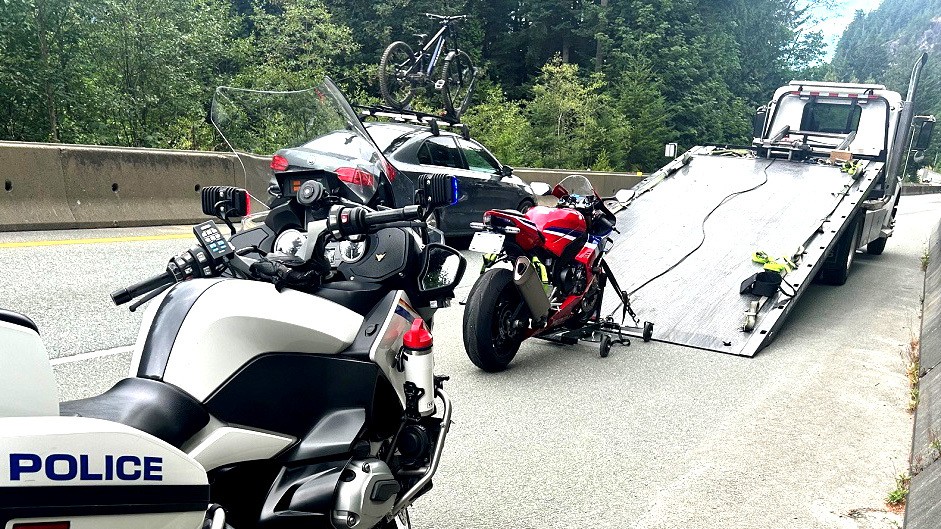
BC Highway Patrol caught the incident on July 11. An officer clocked a red sport motorcycle hitting 177 km/h in an 80 km/h zone. That’s near Furry Creek. The clock read 7:43 a.m. It’s not a random highway. This is Highway 99, the iconic route linking Vancouver and Whistler. Traffic backs up easily here. The margin for error is non-existent.
The timing was brutal. The stop occurred exactly one week after another motorcycle crash killed a rider on the same road. The previous incident had already caused long delays for commuters. Now, here was another near-miss, potentially ending just as poorly.
The Legal Status of the Rider
Police identified the motorcyclist as a 22-year-old from Vancouver. She was not fully licensed to be on that machine. Authorities stated she held a Class 7 license. That allows her to operate a passenger vehicle under supervision. It does not allow her to ride a bike.
She also had a Class 8 motorcycle learner’s permit. A permit restricts you significantly. It means you are still learning. It means you are not trusted to handle the open road independently.
Driving a powerful sport bike on this highway requires skill. It requires focus. It requires respect for the limits of the road and the machine. This rider had neither.
“Sometimes we feel like a broken record… But clearly some people aren’t getting the message.”
Corporal Michael McLaughlin didn’t mince words. He noted the sheer danger of traveling 97 km/h over the speed limit. In the hands of an experienced rider, that speed might be survivable on a straight track. On a winding highway with traffic, it’s a recipe for disaster.
The Cost of Excessive Speed
The consequences arrived quickly. Under British Columbia’s excessive speeding laws, the motorcycle was impounded. The impound lasted for seven days. That’s a week without her vehicle. It’s a week of logistical headaches.
Then came the bills.
The initial ticket cost CA$483 for excessive speed. Roughly US$350. But that’s just the entry fee.
The impounding isn’t free either. The owner must pay towing and storage fees. Those add up fast. Storage costs daily. Towing costs are fixed but steep.
And the long-term damage is worse. Insurance premiums will skyrocket. Police expect the rider to face at least three years of being classified as a high-risk driver. That changes everything for your monthly budget.
When you add the ticket, the towing, the storage, and the inflated insurance premiums over three years, the total hits nearly CA$2,500. That’s around US$1,800.
Is it worth losing two thousand dollars because you thought you could handle the accelerator?
The previous crash on the Sea-to-Sky Highway served as a grim reminder of the stakes. Lives are lost here. Not in movies. In real time.
This rider got lucky. She avoided a hospital bed. She avoided a funeral. But she lost her bike for a week. She lost her privacy during the stop. And she lost thousands of dollars.
The highway patrol wants to know if you are listening. Or if you will wait for the sirens before you