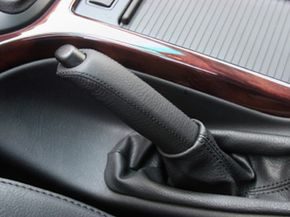
You’re sixteen. The hill is steep. The stop sign is right there, halfway up the incline. You’re in a stick shift. You bring it to a halt. Your dad reaches over and yanks the lever. Three cars are already lined up behind you. He laughs. You sweat. But for a split second, you feel secure. Why? Because the emergency brake is engaged.
What is physically keeping your two-ton metal box from sliding backward into traffic?
An emergency brake is a secondary braking system. It goes by several names. E-brake. Hand brake. Parking brake. It does not use hydraulic pressure like your main brakes. It operates independently. Federal and state laws mandate their presence in motor vehicles. The requirement exists for a reason.
There are four main configurations you might encounter.
- Stick lever : Found under the dashboard in older models.
- Center lever : Located between the front seats.
- Pedal : Positioned to the left of the floor pedals.
- Electric/push button : Integrated into the console controls.
Modern brakes have failsafes. Warning lights flash. Sensors detect low fluid levels. Because of these redundancy measures, most drivers use the parking brake just to secure the vehicle while it sits idle. But the name “emergency brake” is not marketing fluff. Using it correctly can save your life.
Let’s look at the hardware inside the console that makes this possible.
The Mechanical Linkage
Most traditional e-brakes rely on a simple mechanical cable. When you pull the lever, you are physically stretching a steel cable. This cable runs beneath the vehicle’s body. It connects directly to the rear brakes.
In rear-disc brake systems, the cable pulls a small lever on the caliper. This forces the brake pads against the rotor. In rear-drum brake systems, the cable expands a set of shoes against the inside of the drum. The friction creates resistance. The car stops.
This system is dumb. It has no sensors. It has no ABS integration. It relies entirely on tension. If the cable snaps, you have nothing. If the rear brakes are worn, the holding power diminishes. That’s why regular maintenance matters.
The Electronic Shift
Newer vehicles have moved away from levers. They use electronic parking brakes. You press a button. A motor inside the rear caliper pushes the piston to apply the brake pads.
“Electronic systems can apply consistent pressure regardless of driver strength.”
This consistency is a benefit. A tired driver might not pull hard enough with a manual lever. A button press guarantees maximum clamping force. Some systems also integrate with the vehicle’s stability control. If you lose traction on a slippery hill, the electronic brake can help keep you stationary without driver input.
There is a downside. If the vehicle’s battery dies, you cannot release the brake manually without a specific override procedure. Some cars have a manual release slot. Others require a diagnostic tool. This adds a layer of complexity that pure mechanics lack.
Why It Matters When Things Go Wrong
Your main brakes use hydraulic fluid. If that line bursts, the pedal goes to the floor. You lose stopping power. The emergency brake bypasses the hydraulic system entirely. It acts as a backup.
It is not designed for high-speed stops. The rear brakes are smaller

The Mechanics Behind the Stop
There’s no computer logic here. No hydraulic fluid sharing pressure. Just pure physics.
Levers. Cables. Metal.
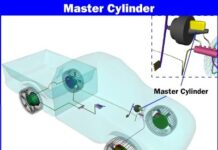
Every traditional emergency brake operates as a completely mechanical system. It bypasses the main hydraulic circuit entirely. That’s the whole point. If your master cylinder fails or line pressure drops to zero, the e-brake remains your only path to a complete stop.
When you pull that lever, the force doesn’t just go straight to the wheels. It passes through an intermediate lever first. This multiplies your input. Then it hits an equalizer. Usually a U-shaped bracket.
Here, the single cable splits.
The equalizer divides the tension evenly. Two separate cables take the load to the rear wheels. Even distribution matters. Uneven braking leads to pulling. Pulling leads to loss of control.
Drum vs. Disc: How It Engages
Most modern cars use disc brakes on the front and drums on the rear. Or discs all around. The e-brake design changes based on where the braking surface is located.
Rear Drum Brakes
This is the simplest setup. The cable runs directly to the brake shoes inside the drum. No extra hardware needed. When you pull, the cable pushes the shoes against the rotating drum. Mechanical. Direct. Reliable.
Rear Disc Brakes: The Complicated Bit
Disc brakes don’t handle parking brake mechanics well. You can’t just cable-pull a sliding caliper. So manufacturers got creative.
Option 1: Auxiliary Drum Brake
Some vehicles mount a tiny drum brake assembly inside the center of the rear rotor hat. It’s called an exclusive parking brake or auxiliary drum brake. The e-brake cable operates small shoes inside this mini-drum. It keeps the mechanism separate from the main hydraulic disc system.
Option 2: Caliper-Actuated System
Other cars skip the extra drum. Instead, they modify the caliper itself. An internal lever and a corkscrew mechanism sit behind the piston. Pulling the e-brake forces the lever, which twists the corkscrew. This pushes the piston out, clamping the pads against the rotor. Still mechanical. Still bypassing the hydraulic fluid.
Electric E-Brakes
Newer models ditch the lever. A button on the dash triggers an electric motor. That motor pulls the cable or engages the caliper directly via computer-controlled actuators. It’s cleaner. Lighter. But still mechanical at the point of contact.
When to Actually Use It
Driving with the e-brake engaged isn’t just bad form. It’s destructive.
Slamming on the e-brake to spin out like a drift car? Don’t. You’ll damage the brake shoes. You’ll warp rotors. You’ll shred the cable. If you do this, get your brake system inspected immediately. Check for heat damage. Check for uneven wear.
Parking
This is the primary function.
Manual transmission drivers should engage it every time. The parking pawl in the transmission isn’t enough. Gravity wins. Cars roll.
Automatic drivers? You can skip it on flat surfaces. But on a hill? Engage it.
Setting the e-brake before shifting into Park takes the weight off the transmission’s parking pawl. Easier gear selection. Less strain on the drivetrain.
Hill Starts (Manual Only)
Preventing rollback.
Pull the e-brake. Hold the clutch. Find the bite point. Release the brake slowly as the engine catches. Tricky. Unpredictable. Practice in an empty lot first.
And if you’re learning? Make sure no one is behind you. Especially not your father. He’s watching. He’s judging.
The Forgotten Brake
It’s easy to forget you pulled it. You drive off. The smell hits you. Burning pads.
Prevent this by engaging the e-brake firmly. Leave a reminder on the lever. A cell phone charger cord. A receipt. A sticky note. Something visual. Something physical.
A Brief History of Stopping Power
We assume technology is new. It’s not.
Centuries ago, settlers faced steep mountain descents. Wagon wheels spun freely. Stopping power was nonexistent.
Their solution? Drag.
They tied large logs to the wagons. Created friction. Slowed the descent. Sometimes they’d chain a wheel to prevent it from rolling independently.
Primitive. Dangerous. Effective.
Modern e-brakes are refined. But the goal remains the same. Stop the vehicle. Secure the vehicle. When the hydraulic system fails, you need something that works without electricity without fluid pressure without air.
Just leverage.
The next section covers exactly how to execute these maneuvers safely. And why forgetting to release the brake isn’t just embarrassing. It’s expensive.
Why Your Emergency Brake Cable Might Seize in Winter
You think that little cable is invincible because it’s tucked away in a protective sleeve. It’s not.
Infrequent use is actually the enemy here. Without regular movement, corrosion sets in. Rust builds up on the inner wire. Then comes the moment you need it most—stuck on a steep hill or in a panic stop—and the cable snaps. Normal usage keeps the lubrication working and the metal from seizing. But even if you drive daily, routine inspections matter. Sometimes the cable stretches. It needs tightening. If you skip that check, you’re gambling with your vehicle’s secondary safety net.
Cold weather makes this worse. In freezing temperatures, the cable can freeze solid. You pull the lever. Nothing happens. Or worse, the brake locks up and refuses to release when you try to drive off.
Where to Park to Avoid Frozen E-Brakes
If you park outside in sub-zero weather, don’t use the parking brake. That is the only surefire fix.
Park in a garage. Or a driveway with a roof. Shelter from the elements keeps the cable dry and warm. But if you’re stuck on a street, you have options. Wait it out. Or jack up the car. Use a hairdryer on the cable housing. Melt the ice.
“If you’re on level ground in a manual vehicle, put the car in first or reverse and skip the e-brake.”
This works for stick shifts. First gear or reverse acts as a mechanical block. The engine compression holds the car. No cable needed. No rust risk.
Which Brakes Does Your Emergency Brake Actually Engage?
Assume you know how your car works. You don’t.
In some vehicles, the emergency brake engages the front brakes. Not the rear. This is rare, but it happens. If you believe the rear wheels are locked and you jack up the back of the car, you might spin a front wheel that isn’t actually restrained. That is dangerous.
Check your service manual. Before you raise the vehicle, know exactly which wheels are braked. Chock the wheels properly. Verify the mechanism. Misunderstanding this detail can lead to serious injury or damage when you are trying to change a tire or perform maintenance.
How to Use Emergency Brakes When Service Brakes Fail
This is the scenario nobody wants to face. But if your hydraulic brakes fail, you still have the e-brake.
Pulling the lever quickly is a mistake. You will lock up the wheels. The car will fishtail. You lose steering control. You might spin out into oncoming traffic or off the road.
Stay calm. Pull the lever up slowly. Steady pressure. Let the car decelerate gradually. It takes longer to stop. But you keep control. You avoid a catastrophic skid.
Famous E-Brake Failures: Seinfeld and the Fiat
Jerry Seinfeld knows this fear.
In April 2008, he was driving a vintage Fiat. The main brakes failed. He pulled the emergency brake. It did nothing. The car kept rolling toward an intersection. He jerked the wheel to try to stop it. The car rolled.
He escaped unharmed. But the car was not so lucky.
It shows that even with a functioning e-brake lever, the mechanism can fail. Or be ineffective. You cannot rely on it entirely. You must rely on maintenance.
Train Toilets and Emergency Brakes
Trains use emergency brakes too. But their systems are connected to things you wouldn’t expect.
In November 2008, a Swedish train conductor turned off the toilets. Why? Because flushing the toilet could trigger the emergency brake system. The plumbing pressure was linked to the braking mechanism. Too many flushes. The train came to a shrieking halt.
It sounds absurd. But it highlights a truth. Emergency systems are complex. They interact with vehicle infrastructure in unexpected ways. Understanding these links helps you avoid false alarms or unintended stops.
The Bottom Line on E-Brake Maintenance
Your emergency brake is a backup. It is not a substitute for good driving habits.
Keep the cable clean. Inspect it regularly. Don’t use it in freezing weather unless you have a plan to thaw it. Know which wheels it stops. And if your main brakes fail, pull slowly.
The next time you pull that lever, make sure it works. Because when you need it, you don’t want it to fail.