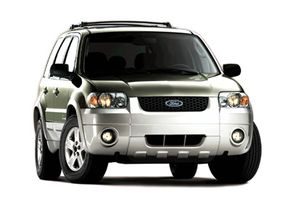
До 2005 року, якщо ви хотіли купити гібридний автомобіль, ви купували невеликий седан. Ці машини були економічними, але не мали достатньої потужності. Вони пропонували мінімальний обсяг багажного простору. Вони були ефективними, безперечно. Але вони також були невеликими. Ford Escape Hybrid змінює все. Це позашляховик. Він витрачає до 36 миль на галон. Ця цифра може бути не найвищою на ринку. Вона не перевершує кожен гібридний автомобіль. Але для сім’ї із чотирьох осіб це економить значні кошти на заправці.
Escape Hybrid – це позашляховик, що витрачає до 36 миль на галон.
Ford не починав із нуля. Вони взяли перевірену платформу. Стандартний чотирициліндровий Ford Escape. Протягом п’яти років. Сто інженерів працювало над цим проектом. Журнал Car and Driver відзначив їхню роботу у грудні 2004 року. Вони створили гібридну силову установку спеціально для Escape. Результат впізнаємо. Він виглядає як позашляховик. Це відносно невеликий позашляховик. Навіть без електричної допомоги стандартна модель досягає 25 миль на галон на шосе.
Як працюють паралельні гібридні системи
Гібридний автомобіль поєднує два світи. Він використовує бензиновий двигун внутрішнього згоряння. Він також використовує електродвигун. Ціль проста. Зберегти сильні сторони обох. Усунути слабкі сторони кожного. Бензинові автомобілі галасливі. Вони використовують дороге паливо. Вони забруднюють довкілля. Суто електричні автомобілі мають короткий термін служби батареї. Їх потрібно підключати до мережі. Гібриди вирішують цю проблему, працюючи разом.
Escape використовує паралельну гібридну схему. І бензиновий двигун, і електромотор можуть приводити автомобіль у рух. Вони працюють узгоджено чи окремо. Це залежить від умов керування. Вам ніколи не потрібно підключати його до мережі. Гальмування генерує енергію. Ця енергія надходить у батареї. Якщо заряд батарей знижується, автомобіль працює на бензині. Двигун внутрішнього згоряння заряджає їх. Це цикл, що самовідтворюється.
Візуальна схожість зі стандартною моделлю
Ford зберіг дизайн найпростішим. Escape Hybrid виглядає як звичайний Escape. Це було зроблено навмисно. Інженери витратили п’ять років на розробку силової установки. Вони не переробляли кузов. На дверях є маленький логотип «Hybrid». На панелі приладів встановлений інший покажчик. Вентиляційний отвір ззаду охолоджує батареї. Ось і все. Ви насилу зможете відрізнити їх один від одного.
Цей підхід мав значення. Він довів, що гібриди не мають виглядати інопланетними. Він показав, що продуктивність та економічність можуть співіснувати. Escape Hybrid став великим проривом Він привніс гібридні технології у більший сегмент. Він зробив ефективність доступною для сімей. Не лише для щоденних поїздок на роботу.
Як Ford досягнув цього? Інтегрувавши електромотор безпосередньо у трансмісію. Без складного перемикання між послідовною та паралельною схемами. Просто пряма передача потужності. Електромотор забезпечує крутний момент. Бензиновий двигун забезпечує запас ходу. Разом вони покривають обидві потреби.
Escape Hybrid довів, що позашляховики можуть бути ефективними. Він проклав шлях для більших гібридів. Він показав, що споживачі не хотіли жертвувати простір. Вони хотіли практичності. Вони хотіли потужності. Вони прагнули низьких викидів.
Це був лише початок. Автомобільний ринок змінювався. Escape Hybrid став іскрою. Він підпалив вогонь у галузі. Інші виробники звернули на це увагу. Вони почали створювати власні версії. Ландшафт змінився.
Чому це важливо сьогодні? Тому що фундамент було закладено тут. Escape Hybrid довів, що концепція працює. Вона була масштабована. Вона довела, що гібриди можуть справлятися із реальним життям. Реальним вантажем. Реальні пасажири. Реальні дороги.
Технологія розвивалася. Автомобілі ставали кращими. Але саме Escape Hybrid започаткував цей процес. Він змінив розмову. Він перевів гібриди з ніші в мейнстрім. Він показав, що ефективність означає компроміс. Вона означає інновації.
Решта історії включає тести продуктивності. Дані про паливну економічність. Водіння у реальних умовах. Але фундамент міцний. Escape Hybrid впорався зі своїм завданням. Він довів, що гібридний джип можливий. Він довів, що він практичний. Він довів, що він привабливий.
Ринок відреагував. Продаж зріс. Конкуренція посилилась. Escape Hybrid був не просто автомобілем. Це була заява. Він ознаменував кінець ери невеликих гібридів. Він почав епоху ефективних позашляховиків.
Цей зсув продовжується. Принципи залишаються постійними. Технології удосконалюються. Але саме Escape Hybrid став каталізатором. Він змінив те, як ми думаємо про паливну економічність. Він змінив те, на що ми очікуємо від позашляховика. Він довів, що ефективність та практичність
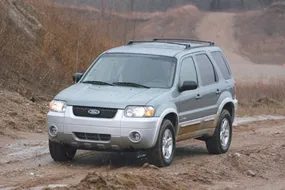
Тут справді варто оцінити стриманість. Ford не створював Escape Hybrid як комплект гаджетів. Його створювали так, щоб він був «невидимим». Інженерна філософія була простою: ставитися до електричних компонентів як до фонового шуму. Водію не потрібно було читати керівництво, щоб зрозуміти, як ним керувати. Електричний двигун та акумуляторна батарея були спроектовані на довговічність, а не для взаємодії з користувачем.
На панелі приладів немає індикатора заряду батареї. Чому? Тому що Ford припускав, що середнього покупця не важливі метрики рівня заряду. Йому просто потрібно дістатися з точки А до точки Б з кращою економією палива та меншими викидами. Саме така прозорість робить цей автомобіль потенційним руйнівником ринку. Вона усуває бар’єри для ухвалення нової технології. Ви купуєте його як будь-який інший позашляховик. Він веде себе як будь-який інший позашляховик. Він просто заощаджує бензин.
Тепер заглянемо під капот. Механіка тут заплутана, але елегантна.
Блок управління живленням та інвертор
В основі системи знаходиться блок управління живленням (PCU). Це не просто зарядний пристрій для батареї. Це «мозок», який керує потоком енергії між двигуном внутрішнього згоряння, генератором та тяговим електродвигуном.
PCU містить інвертор, який перетворює постійний струм (DC) від батареї на змінний струм (AC) для електричних двигунів. Це є критично важливий етап. Більшість сучасних електромобілів та гібридів використовують двигуни змінного струму завдяки їх ефективності та характеристикам крутного моменту. Інвертор також підвищує напругу від акумулятора до рівнів, необхідних для роботи двигунів.
Реалізація Ford використовує повітряне охолодження. Це усвідомлений вибір на користь простоти та зниження вартості. Рідинне охолодження ефективніше, але додає складності, насоси, шланги та потенційні точки відмови. Повітряне охолодження робить систему легше та простіше в обслуговуванні.
Система Hybrid Synergy Drive
Escape Hybrid використовує систему Hybrid Synergy Drive. Це архітектура гібридної трансмісії послідовно-паралельного типу. Це означає, що вона може працювати в кількох режимах:
- Тільки електричний: На низьких швидкостях або при легкому натисканні на педаль газу бензиновий двигун вимкнено. Тяговий електродвигун приводить колеса в рух безпосередньо.
- Паралельний гібрид: І двигун, і електродвигун приводять колеса в рух. Це відбувається під час розгону.
- Послідовний гібрид: Бензиновий двигун працює для вироблення електроенергії через генератор, але не приводить колеса в рух безпосередньо. Генератор заряджає батарею чи живить тяговий електродвигун.
- Рекуперативне гальмування: Коли ви відпускаєте педаль газу або натискаєте на гальмо, тяговий електродвигун працює як генератор. Він уловлює кінетичну енергію, яка зазвичай губиться у вигляді тепла, і повертає її назад до акумуляторної батареї.
Ця система дозволяє автомобілю оптимізувати ефективність двигуна. Бензиновий двигун працює в найбільш ефективному діапазоні частіше, ніж у звичайному автомобілі. Йому не доводиться тягти важкі навантаження на низьких обертах. Він може повністю вимикатися під час зупинок.
Акумуляторна батарея
Система зберігання енергії є акумуляторною батареєю на основі нікель-металгідридної (NiMH) технології. Ця технологія була обрана замість літій-іонної з кількох причин:
- Термічна стабільність: NiMH-батареї менш схильні до термічного розгону. Вони безпечніші при зіткненні.
- Ресурс циклів: Ford спроектував батарею так, щоб вона служила весь термін служби автомобіля. Вони уникали глибоких розрядів, які швидше зношують літій-іонні елементи.
- ** Вартість: ** На момент розробки NiMH була більш рентабельною для автомобілів масового ринку.
Батарея
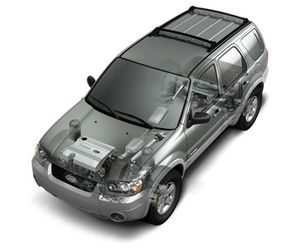
Як насправді працює Ford Escape Hybrid
Більшість гібридних автомобілів використовують полегшену гібридну систему, де бензиновий двигун виконує основну роботу, а електродвигун лише трохи допомагає в окремих ситуаціях. Ford Escape Hybrid відрізняється від них. Це повноцінний гібрид, що означає, що бензиновий двигун та електродвигун можуть працювати як незалежно один від одного, так і спільно. Система проходить через чотири різних етапи, щоб отримати максимум ефективності з цього чотирициліндрового двигуна.
Почнемо із запуску. Ви повертаєте ключ, і електродвигун бере управління на себе. Він провертає бензиновий двигун, запускаючи його. Відразу після цього датчики перевіряють рівень заряду батареї, робочі температури та налаштування клімат-контролю в салоні. Якщо кондиціонер встановлений на максимальну потужність, бензиновий двигун залишається увімкненим. В іншому випадку він вимикається. Автомобіль рухається вперед виключно електричною тягою. Це відбувається швидко – менш ніж за дві секунди.
Зупинка – ось де проявляється хитрість системи. На червоне світло або в черзі drive-thru бензиновий двигун вимикається. Електродвигун утримує автомобіль. Ford спроектував цикли запуску та зупинки так, щоб вони були плавними. Тим не менш, тест-пілоти все ще помічали легке тремтіння при повторному запуску двигуна. Це нормально для гібридів. Просто не чекайте безшумного переходу, як у автомобілях преміум-класу.
Розгін та міське водіння
Початок руху зі світлофора? Чистий електричний потяг. Електродвигуни забезпечують миттєвий момент, що крутить, на низьких оборотах. Вони створені для цього. Ви можете проїхати через щільний міський трафік, використовуючи лише електрику. Бензиновий двигун включається приблизно на швидкості 25 миль на годину. Після цього два джерела енергії працюють у тандемі до швидкостей на шосе.
Міське водіння – це те місце, де гібриди сяють. Рекуперативне гальмування перетворює втрачену енергію на запасену. Коли ви натискаєте на педаль гальма, електродвигун змінює роль. Він стає генератором. Він уловлює кінетичну енергію, яка зазвичай розсіюється як тепла в гальмівних колодках. Ця енергія безпосередньо надходить назад до акумуляторної батареї.
Кожне червоне світло – це можливість для підзарядки. Щоб отримати від цього максимум, гальмуйте плавно. Різке натискання на гальмо активує антиблокувальну систему (ABS). Енергія при цьому втрачається. Вам потрібна поступова декомпресія, щоб максимізувати перезаряджання.
Ефективність на шосе та трансмісія
Рух на швидкості від 50 до 70 миль на годину? Бензиновий двигун бере управління на себе. Саме на цих швидкостях чотирициліндрові двигуни працюють найефективніше. Але невеликі двигуни мають проблеми з потужністю для обгону. Ось тоді і вмикається електродвигун. Він додає кінських сил, допомагаючи вам злитися з потоком або зробити обгін. Це круїз із електричною підтримкою.
Тут нема передач. Escape Hybrid використовує електронно керовану безступінчасту трансмісію (eCVT). Бортові комп’ютери управляють передатними числами для оптимальної ефективності палива. Інженери Ford стверджують, що така конструкція підвищує ефективність на 30 відсотків порівняно із звичайною трансмісією. Жодних перемикань. Просто постійна передача потужності.
Ціна за гібриди
Гібриди коштують дорожче. Базова передньопривідна версія Escape із чотирициліндровим двигуном починається з $19,995. Повнопривідна версія із чотирициліндровим двигуном коштує $23,235. Модель V6 AWD коштує $27,145.
Передньопривідна гібридна модель оцінюється у $26,970. Це значний стрибок у порівнянні зі стандартною передньопривідною версією. Повнопривідна гібридна версія коштує $28,595.
Опції швидко збільшують вартість. Ви можете додати ще $3,800 за шкіряні сидіння, розетку на 110 вольт, пакет для покращення зовнішнього вигляду, GPS навігацію та додаткові функції безпеки. Цифри зростатимуть. Поки що зверніть увагу на премію, яку ви платите за можливість спочатку рухатися електрикою.
Ford спростив конструкцію бензинового двигуна, щоб підвищити ефективність. Гібридна модель використовує чотирициліндровий двигун із циклом Аткінсона. Цикл Аткінсона спалює паливо чистіше, ніж стандартні двигуни з циклом Отто. Ви жертвуєте піковою потужністю заради цієї ефективності. Це механічний компроміс.
Робочий об’єм складає 2,3 літри. Блок із алюмінію. Два розподільні вали в головці блоку циліндрів (DOHC). Він розвиває 133 кінські сили при 6000 об/хв. Електромотор додає ще 94 кінські сили. Цей приріст потужності підключається в діапазоні від 3000 до 5000 об/хв. Сам бензиновий двигун видає 129 фунт-фут моменту, що крутить, при 4 500 об/хв. Порівняйте це з негібридним Escape. Його чотирициліндровий двигун розвиває 153 л.с. при 5800 об/хв і 152 фунт-фут крутного моменту при 4250 об/хв. Гібрид втрачає трохи потужності на високих оборотах.
Вага та габарити
Повнопривідний (AWD) Escape Hybrid важить 3893 фунти (1766 кг). Гібридне обладнання додає приблизно 500 фунтів до базового позашляховика. Він важкий. Але він також компактний. Колісна база складає 103,1 дюйми. Дорожній просвіт становить скромні 8 дюймів. Він оснащений шинами Continental ContiTrac EcoPlus. Запасне колесо таке саме. Бензобак містить 15 галонів.
Числа продуктивності від Car and Driver (грудень 2004) показують реальність цієї ваги. Повністю завантажена модель з повним приводом розганяється з 0 до 60 миль/год за 10,8 секунд. Максимальна швидкість електронно обмежена 102 миль/год. Гальмування з 70 миль/год до повної зупинки займає 195 футів. Це не спортивний автомобіль. Це практична машина для перевезення вантажів.
Очікувана економія палива
Якщо ви купуєте гібрид, вас цікавить одна цифра. Милі на галон. Escape Hybrid не зможе зрівнятися з витратою 50+ миль на галон у компактних седанів, таких як Prius. Ford оцінює його витрати у 35 mpg у місті та 29 mpg на шосе. Реальні тести від USA Today та Motor Trend показують, що фактичні цифри трохи нижчі. Тим не менш, це покращення на 20-25 відсотків порівняно зі стандартним Escape. І він значно перевершує більші позашляховики, яким насилу вдається досягти 10 миль на галон.
Конфігурація приводу змінює оцінку витрати. Передньопривідна (FWD) версія отримує 33 милі на галон у місті та 31–36 миль на галон на шосе. Версія з повним приводом (AWD) знижується до 33 mpg у місті та 29 mpg на шосе. З 15-галонним баком ви можете розраховувати на запас ходу від 400 до 500 миль. Це непогано для кросовера цього періоду.
Чому гібриди процвітають у місті
Двигуни внутрішнього згоряння ненавидять холостий перебіг. Вони ненавидять старт із місця. Тяжка машина, що спалює паливо для розгону до 30 миль/год, неефективна. У місті ви робите це кожні кілька кварталів. На шосе рух більш плавний. Менше зупинок. Найкраща економія палива для автомобілів лише на бензині.
Гібриди змінюють правила гри. Вони працюють на електроенергії на низьких швидкостях. Паливо не спалюється. Зупинки не витрачаються даремно. Щоразу, коли ви натискаєте на гальмо, система рекуперації заряджає акумулятор. Результат? Краща економія палива у місті, ніж на шосе. Бензиновий двигун виконує більшу частину важкої роботи на відкритій дорозі. У пробках він працює просто як генератор.
Ведення Ford Escape Hybrid
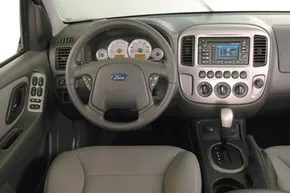
Ви ніколи не здогадалися б, що керуєте гібридом, якби вам прямо на це не вказали. Інженери Ford розробили Escape Hybrid так, щоб він максимально імітував досвід керування звичайного компактного позашляховика. Ціль полягала в тому, щоб гібридна система залишалася непомітною. У більшості випадків динаміка водіння не відрізняється від аналогічних моделей без гібридного приводу. Ви займаєте те саме положення сидіння, маєте таку ж оглядовість. Зворотній зв’язок від керма відповідає характеристикам інших малих позашляховиків.
Потім проявляються особливості.
При включенні бензинового двигуна виникає специфічне тремтіння. Вона відбувається при переході з електричного режиму до гібридного. Тремтіння слабке, але помітне. Система рекуперативного гальмування також змінює відчуття під час зупинки. На відміну від звичайних дискових гальм початкове уповільнення забезпечується електродвигунами, які протидіють інерції. Ви відчуваєте зміну опору. Потім при різкому гальмуванні вступають у дію механічні гальма. Ця точка переходу відчувається виразно.
Відмінності в трансмісії
Найбільш істотна зміна полягає у трансмісії. Ford замінив традиційний набір шестерень електронно керованої безступінчастою трансмісією (eCVT).
Цей перехід дає дві основні переваги. По-перше, він підвищує ефективність палива. eCVT дозволяє двигуну працювати в оптимальних режимах набагато частіше, ніж це можливо із традиційною ступінчастою коробкою передач. По-друге, вона робить їзду більш плавною.
Традиційні автоматичні коробки передач смикаються. Вони шукають потрібну передачу. При розгоні вони агресивно перемикаються на знижену передачу. Escape Hybrid уникає таких різких поштовхів. Немає раптових стрибків у передачі потужності. Немає ривків при перемиканні на знижену передачу. Потік потужності відчувається лінійним. Їзда здається не боротьбою машини за пошук потрібної передачі, а безкінечним плавним прискоренням.
Чи ця плавність компромісу у вигляді початкової затримки при гальмуванні? Деяким водіям відчуття рекуперативного гальмування видається розірваним, неприродним. Інші цінують відсутність механічного зношування традиційних гальмівних колодок. Компроміс реальний. eCVT усуває удари під час перемикання передач. Однак вона не усуває всі сенсорні відмінності.
Ви, як і раніше, помічаєте набір обертів двигуном. Ви, як і раніше, відчуваєте зміну ходу педалі гальма. Але загальний рух стає менш різким. Якість їзди покращується в умовах пробуксування у пробках. Відсутність “пошуку” передач знижує втому водія.
Це не ідеальна імітація звичайного позашляховика. Особливості залишаються. Однак для повсякденних поїздок на роботу плавність роботи eCVT, ймовірно, переважує незначну затримку у відчутті гальмування. Автомобіль рухається тихо. Розгін відбувається передбачувано. Він не афішує свою гібридну природу із драматизмом. Лише ефективність. І періодичне тремтіння.
Особливості приладової панелі та потік енергії
Подивіться на тахометр. Зокрема, на його дивну поведінку при перетині нульової позначки. Стрілка опускається нижче нуля, коли двигун внутрішнього згоряння відключається, а електромотор перебирає управління. Це візуальний сигнал, який ви не побачите у традиційних автомобілях із ДВС. Якщо ви оберете пакет навігації, центральний екран переключиться на графічну схему розподілу енергії у гібридній системі. Вона вказує, куди рухається енергія: зарядка, розрядка, рекуперація. Це не просто рекламний хід.
Приховані батареї та реальність вантажного простору
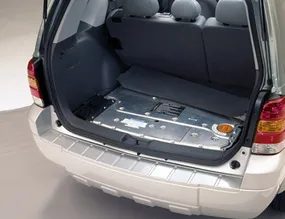
Люди вважають, що гібридні технології займають багато місця. Вони уявляють акумуляторну батарею, яка займає весь простір в задній частині багажника. Ford Escape Hybrid спростовує це припущення. Масив батареї складається з 250 елементів живлення типу D (D-size) на основі нікель-металгідридної технології (NiMH). Вони з’єднані послідовно. Ford розташував їх пласким шаром під підлогою вантажного відсіку.
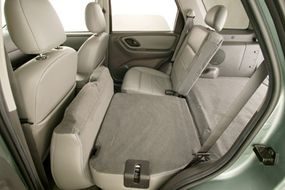
Компроміс реальний. Вантажний простір менший, ніж у версії зі звичайним двигуном. На кілька дюймів. Цього недостатньо зробити автомобіль непридатним для використання, але достатньо, щоб помітити різницю, якщо ви перевозите меблі. Об’єм пасажирського салону залишається незмінним. Ви і ваша родина їдете в тому самому просторі. Просто трохи зменшився простір для багажу.
Інженерний підхід, заснований на перших принципах
Це була перша спроба Ford створити практичний гібридний позашляховик. Результатом стала надійна інженерна технологія. Він має менший негативний вплив на навколишнє середовище, порівняно з іншими позашляховиками. Витрати паливо значно знижуються проти конкурентами.
Чи є він найекологічнішим автомобілем на ринку? Ні. Toyota Prius, як і раніше, утримує першість по чистій ефективності. Його рейтинг складає 60 миль на галон у міському циклі та 51 миля на галон на шосе, що перевершує показники Escape. Але Escape виконує інше завдання. Він спрямований на середньостатистичну сім’ю. Сім’ям потрібен простір. Їм потрібний комфорт. Їм потрібен автомобіль, який вписується в їхній спосіб життя, а не тільки в їхній вуглецевий слід.
Створюючи гібридний автомобіль для масового споживача, Ford позиціонує себе задля досягнення масштабу. Мільйони гібридних автомобілів у американських гаражах протягом десятиліття. Це довгострокова стратегія. Екологічність – це не лише пікові показники витрати пального (миль на галон). Це про обсяги. Це про зміну складу автопарку.
Перейдіть на посилання нижче для більш глибокого занурення в тему.
Ще більше інформації
Статті HowStuffWorks по темі
-
Вікторина: Тест на знання гібридних автомобілів
-
Як працюють гібридні автомобілі
-
Як працюють електромобілі
-
Як працює проект Hy-wire від GM
-
Як працює воднева економіка
-
Як працюють двигуни автомобілів
-
Як працюють електродвигуни
-
Як формуються ціни на бензин
-
Як працюють автомобілі на природному газі
-
Фотографії гібридних автомобілів 2007 року
-
Чемпіони реальної витрати палива за версією Consumer Guide
Додаткові корисні посилання
-
Автомобілі Ford: Escape Hybrid
-
Автомобілі Ford: Escape Hybrid: Калькулятор економії на паливі
-
HybridCars.com: Перші враження від водіння Escape Hybrid
-
Тест-драйв сімейного автомобіля: 2005 Ford Escape Hybrid
-
TomPaine.com: Втеча від нафтової залежності – 12 серпня 2004 р.
Джерела
-
Чиріко, Ніл. “Перша поїздка: 2005 Ford Escape Hybrid”. Motor Trend, серпень 2004 р.
-
Хілі, Джеймсе. “Ford переходить на гібриди з новим перспективним Escape”. USAToday.com, 13.05.2004.
-
Сешнс, Рон (редактор). «Керівництво покупця позашляховиків, вантажівок та фургонів Motor Trend 2005 & 2006». Motor Trend, листопад 2004 р.
-
Вандерверп, Дейв. “Після мільйона людино-годин Ford випускає перший гібридний позашляховик”. Car and Driver, грудень 2004 р.
-
Автомобілі Ford: Escape Hybrid