Graham-Paige: Як магнати скла побудували перший доступний суперчарджер в Америці
Греми були типовими детройтськими бізнесменами. Джозеф, Роберт та Рей були індіанськими пронозами. Хлопцями із фермерських сімей, які бачили далі обрій. Вони починали зі скла. Їхня компанія Libbey-Owens-Ford до 1930 року домінувала на ринку. Але їм потрібні були колеса. Зокрема, вантажівки до Dodge.
Вони були настільки хороші в цій справі, що до 1926 управляли всім вантажним підрозділом Dodge. Потім раптово вони пішли. У 1927 році вони купили зазнає краху Paige Motor Company. Їхня мета? Створити власні автомобілі. Результатом став Graham-Paige, запущений у 1928 році. Це ім’я зберігалося до 1930 року. Потім марка стала просто Graham. Paige залишилася у комерційному підрозділі. Бренд вижив, та ідентичність змінилася.
Від піку до долині
Процвітання вдарило сильно. Обсяг продажів злетів до більш ніж 77 000 одиниць у 1929 році. Вони збудували величезний новий завод у Дірборні, штат Мічиган. Потім були підприємства в Індіані і Флориді. Здавалося, вони перемогли. Потім настав жовтень.
1929 став піком. Депресія зруйнувала ринок. На початку 1932 модельний ряд все ще значною мірою відповідав 1930 року. Стандартні та спеціальні шістки з колісною базою 115 дюймів. Вісімки з розмахом від 122 до 137 дюймів. Двигуни були звичайними L-подібними. Рядні шістки об’ємом 207 і 224 кубічних дюйми розвивали потужність від 66 до 76 кінських сил. Рядні вісімки були більшими: 298,6 і 322 кубічних дюйми, видаючи 100-120 к.с.
Кузовні роботи були найвищого рівня. LeBaron на заводі Briggs Manufacturing створювала гарні міські автомобілі та лімузини. Всі моделі оснащувалися знаменитою чотириступінчастою коробкою Graham-Paige. Весною 1931 року вони зробили відчайдушний крок. “Prosperity Six”. Дешева серія із чотирьох моделей. Ціна розпочиналася від 785 доларів. Це провалилося. Виробництво впало до 24 000 одиниць у 1930 році. Потім до 20 000 у 1931 році.
Греми не здалися. Вони повернулися у 1932 році з Blue Streak Eight.
Революція Blue Streak
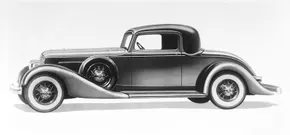
Цей автомобіль змінив усі. Колісна база була збільшена до 123 дюймів. Вона надала ідеальну основу для стайлінгу Амоса Нордапа. Нордап не був новачком. Він спроектував Reo Royale 1931 року і раніше Hupp Century. Blue Streak був приголомшливим.
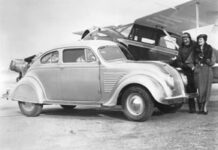
Кузови були гладкими. Ультрачистими. Вони приховували компоненти шасі, які зазвичай виглядали неохайно. Лобове скло було нахилено назад під жвавим кутом. Радіатор мав звужені вертикальні планки. Без ковпака. Він щільно прилягав до капота. Крила були опущені, щоб облягати колеса. Це була обробка зі спідницями. Перше застосування у серійних автомобілях.
Спочатку можна було купити лише купе, чотиридверний седан або кабріолет-купе. Всі вони оснащувалися восьмилітровим двигуном потужністю 90 л. та об’ємом 245,4 кубічних дюймів. Алюмінієва головка блоку циліндрів. Алюмінієві поршні.
Шасі було настільки ж передовим. Прямі лонжерони. Зовнішні задні ресори. Кріплення заднього мосту типу “Банджо”. Результат? Виняткова стійкість під час керування. Відмінний комфорт їзди. Згодом допомогли амортизатори з регулюванням. Низькопрофільні шини з’явилися, щоб додатково згладити їзду. Рівні комплектації були Standard та Deluxe. Ціни були привабливими: від 1095 до 1270 доларів.
У добрі часи цей автомобіль домінував би. Але 1932 був поганим для всіх у Детройті. Річний обсяг продажу впав до 12 967 одиниць. Більшість із них були Blue Streak. І старі шістки.
Наслідували, а не ігнорували
Blue Streak перейменували на Custom Eight для 1933 року. Базовий дизайн залишився майже ідентичним. Він поширився на всі “другі серії” Graham. Конкуренти у паніці. Їх стайлінг почав наслідувати Blue Streak. Graham стверджувала, що це «найбільше копіюваний автомобіль на дорогах».
Вони мали рацію. Майже кожен американський автомобіль 1933 був оснащений спідницями на крилах. Під Custom Eight з’явилася нова Standard Six із колісною базою 113 дюймів. І Standard Eight на базі 119 дюймів. Всі моделі їздили більш міцними рамами. Передня K-подібна розпірка додала жорсткості. Елегантно вигнуті передні бампери стали нормою.
Якість була високою. Привабливість сильної. Виробництво все одно падало. Graham-Paige досягла 11000 одиниць за календарний рік. Але вони насилу отримали крихітний прибуток у 67 000 доларів. Це було диво бухгалтерії.
Суперчарджер-сюрприз
Надія залишалася. Для 1934 Греми зробили сюрприз. Supercharged Custom Eight. Маркований за ціною від 1295 доларів. Це був перший у Америці суперчарджерний автомобіль середнього класу.
Двигун було розточено до 265,4 кубічних дюймів. Над ним стояв відцентровий нагнітач своєї розробки Graham. Він збільшував потужність до 135 л. Середньооборотний крутний момент був живим. Максимальна швидкість досягала 90 миль на годину.
Шалений водій «Каннобал» Бейкер протестував його. Він проїхав Supercharged Custom через всю країну. Час: 53 години 30 хвилин. Особистий рекорд. Він стояв до 1975 року. Цей подвиг довів надійність нагнітача. Протягом наступних шести років Graham побудує більше автомобілів із наддувом, ніж будь-яка інша компанія. Вони знайшли свою нішу. Висока продуктивність мас.
Ринок все ще скорочувався. Але Graham мав те, чого не було ні в кого іншого.
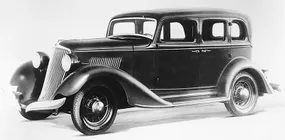
Модельний ряд 1935 року приніс до шоурум Graham-Paige почуття обережного оптимізму. Хоча фундаментальна інженерія їхніх автомобілів першої серії залишилася значною мірою незмінною, компанія не стояла на місці. Вона перебудувала модельний ряд, вносячи зміни до комплектації та оснащення, щоб підтримувати інтерес покупців на ринку, що пережив найкращі часи. Головною інновацією став убудований багажник для седанів. Це було не величезне, просторе сховище, але за додаткові 35 доларів це було практичним покращенням для сімей, яким потрібно було трохи більше місця для багажу без шкоди для простору в салоні.
Цифри продажу розповідають історію відновлення. До календарного 1934 обсяг виробництва зріс до 15 745 одиниць. Це не був величезний стрибок, але в тіні Великої депресії таке стабільне зростання стало ковтком свіжого повітря. Бренд стабілізувався.
Чому модельний ряд Graham 1935 року важливий сьогодні
Для колекціонерів, що шукають доступні американські автомобілі 1930-х років, Graham виділяється як прагматичний вибір. На відміну від яскравих, надмірно ускладнених розкішних автомобілів тієї епохи, Grahams пропонували надійність у рамках бюджету. Особливо моделі 1935 року є перехідний період, коли виробники перестали економити на деталях і почали додавати по-справжньому зручні функції.
Додавання багажника наголошує на зрушенні в споживчих пріоритетах. Покупці шукали не просто автомобіль; вони шукали практичності. Цей період ознаменував кінець епохи мінімалізму та початок ери «доданої вартості».
Ключові особливості моделей Graham 1935 року
- Вбудовані багажники: Пропонувалися як опція за 35 доларів для седанів, забезпечуючи приховане зберігання речей.
- Зростання виробництва: У календарному 1934 було випущено 15 745 автомобілів, що сигналізувало про поворот на краще.
- Стилістичне однаковість: Моделі першої серії зберегли основний дизайн, але часто піддавалися коригувань в рамках модельного ряду.
Контекст появи Graham у 1930-ті роки
Graham-Paige не прагнула стати Cadillac. Вона орієнтувалася на середній клас. Моделі 1935 були частиною ширшої стратегії утримання клієнтів, які в іншому випадку могли б перейти на Ford або Chevrolet. Зберігаючи перевірену шасі і додаючи невеликі, але помітні поліпшення, такі як багажник, компанія підтримувала доступний ціновий рівень, одночасно підвищуючи цінність автомобіля, що сприймається.
Цей підхід спрацював принаймні на якийсь час. Зростання обсягів виробництва свідчило, що покупці були готові витратити гроші на автомобіль, який не кричав про свою присутність, але обіцяв доставити їх на роботу і назад без поломок. Це була розумна, позбавлена гламуру історія успіху в десятилітті, відзначеному надмірностями, а потім суворими обмеженнями.
«Зі зростанням випуску у календарному 1934 року до 15 745 автомобілів справи, здавалося, пішли гору».
Стабільність моделей 1935 заклала основу для майбутніх інновацій, навіть якщо сам бренд в кінцевому підсумку зійшов зі сцени. Але для тих, хто повірив у обіцянки Graham наприкінці 1930-х років, це був автомобіль, який точно відповідав очікуванням: надійність, простір та багажник для вихідних поїздок.
Шестициліндровий поворот і крах
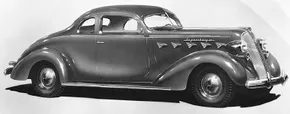
Модельний ряд 1935 року зазнав чергових змін. Купе та кабріолети залишилися без змін, але седани почали відмовлятися від стилю Blue Streak. У будь-якому випадку він швидко втрачав актуальність. На сцену вийшов новий учасник – Standard Six. Він базувався на короткій колісній базі 111 дюймів. Двигун був скромним – 60-сильний, об’ємом 169,6 кубічних дюймів (2782 см³). Він зберіг стилістику Blue Streak, але не володів деякими складнішими технічними рішеннями, які були присутні у великих моделях Graham. Це мало значення. Standard Six продавався добре. А Grahamу потрібні були будь-які продажі.
Продажі моделей з восьмициліндровим двигуном впали. Обсяг виробництва зріс майже до 18500 одиниць, безумовно. Але грошових потоків не вистачало. Фінансовий тиск перетворився на лещата.
Кузова Reo та нагнітач Roots
Graham відмовився від моделі Eight у 1936 році. Замість неї з’явився новий продукт. Перший у США шестициліндровий двигун із наддувом. Об’єм становив 217,8 кубічних дюймів (3569 см³). Він став основою бренду довгі роки. Було запущено дві серії: надувний Cavalier та атмосферний Cavalier. Обидві моделі мали колісну базу 115 дюймів.
Найцікавішим став вибір кузовів. Graham використовував кузови купе, седана та кабріолету, що випускаються фірмою Hayes. Вони були такими ж, як у Reo Flying Cloud 1935-1936 років. Угода була укладена у 1935 році. Це було злиттям. Це було запозичення. Graham використав ці кузови Reo аж до 1937 року. Результат? Автомобілі виглядали напрочуд просто.
Тим часом, серія Crusader випускалася на базі оснащення 1935 року. Вона була лідером за ціною у лінійці Graham. Коли це обладнання застаріло, його продали компанії Nissan у Японії. Гроші були потрібні терміново. 1936 був суворим. Продаж за календарний рік перевищив 16 400 одиниць. Компанія все одно втратила 1 мільйон доларів.
«Graham намагався стати лідером стилю, яким він був із Blue Streak, але публіка цього не оцінила».
Експеримент «Акулій ніс»
Потрібні були чудеса. У 1938 році Graham відмовився від концепції Spirit of Motion. Вона була радикальною. Чотирьохдверний седан з сильно зрізаним переднім звисом. Він виглядав як хижак. Прізвисько «sharknose» (акулячий ніс) прилипло миттєво.
То справді був останній дизайн, створений Нортопом. Він помер 1936 року. Рей Грем, засновник компанії, помер ще раніше, 1932 року, у віці всього 45 років. Бачення було. Виконання не було. Публіка відкинула «акулячий ніс». Буквально. Виробництво у модельному році звалилося до 5 020 одиниць.
Експерименти зі стилем тривали і 1939 року. З’явилася версія дводверного седана. Також з’явився клубний купе Combination. У тому році зникли підніжки. Лінійка комплектацій залишилася незмінною: Deluxe і престижніша Custom. Цифри продуктивності не брешуть. Двигун із наддувом розганявся до 50 миль/год за 10,9 секунди. Витрата палива досягала 25 миль на галон.
“Незважаючи на вражаючу продуктивність двигуна з наддувом… і витрата палива до 25 миль на галон, модель “sharknose” залишалася поганим продавцем”.
Вона просто не продавалася. «Акулячий ніс» випускався лише до 1940 року. Зміни були незначними. Потужність двигуна з нагнітачем зросла до 120 к.с., а атмосферного – до 93 к.с. Цифри виробництва розповіли про реальну історію. У 1939 році було випущено 5392 одиниці. У 1940 році? Оцінюється приблизно 1 000
Тупик Hollywood/Scyllark
Джозеф Грем витрачав гроші на вітер. Половина мільйона доларів із його власних коштів зникла у чорній дірі спроб утримати свою фірму на плаву. Йому потрібна була перемога. Йому потрібні були обсяги. Йому потрібен був автомобіль, який не вимагав винаходи велосипеда — ні буквально, ні фінансово.
Відповідь надійшла в 1939 році в особі Нормана Де Вокса. Де Вокс вже зазнав невдачі зі своїм власним автомобільним підприємством, але в його розпорядженні був скарб: оснащення для седанів Cord 810 і 812 Westchester 1936-1937 років. Вона була важкою, дорогою та ідеально підходила для того, хто намагався пропустити етап НДДКР.
Де Вокс звернувся до проблеми Hupp Motors, що також відчуває труднощі. План був наступним: створити модифіковану версію Cord, але замінити привід на передні колеса традиційним приводом на задні колеса. Грем побачив нагоду. Він запропонував виготовляти кузови. Угода була простою: компанія Грема займалася б збиранням, але тільки за умови, що автомобіль продаватиметься під маркою Graham і оснащуватиметься власним нагнітальним двигуном Грема.
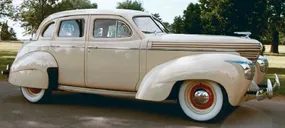
В результаті вийшов примарний близнюк. Graham Hollywood та Hupp Skylark були механічно ідентичні. Їх поділяли лише незначні деталі оздоблення. Hupp першою анонсувала Skylark, з’явившись на Всесвітній виставці у Нью-Йорку у квітні 1939 року. Це було передчасно. Вони були готові. Затримки із виробництвом затяглися. Жодна з моделей не продала значних обсягів до травня 1940 року.
Ціни та потужність
Hupp планувала пропонувати як седани, і кабріолети. Реальність була суворішою. З конвеєра зійшов лише один кабріолет Hupp. Грем зміг випустити, можливо п’ять штук.
Інші були седанами. І вони пропонувалися на вибір із різними «легкими».
Graham Hollywood оснащувалися власним 120-сильним нагнітальним рядним шестициліндровим двигуном компанії. Він був швидший. Він коштував дорожче. Початкова ціна становила 1250 доларів. Hupp Skylark, яка працює на ненагнітальному двигуні, починалася з позначки 1145 доларів.
Обидві моделі мали колісну базу 115 дюймів. Це на 10 дюймів коротше, ніж у базової моделі Cord. Коротше. Легше. Найзручніше для покупця, обмеженого в бюджеті, але бажаючого зберегти стилістику Cord.
Щоб розмістити високий нагнітальний двигун під знаменито низькою лінією капота Cord, інженери Грема виявили креативність. Вони змістили карбюратор та повітряний фільтр. Рішення було неакуратним, але воно працювало.
Штрихи Джона Тьяарди
Обличчя автомобіля змінилося. Відомий дизайнер Джон Тьяарда переробив передню частину. Вона була гарною. Витончений.
Hollywood отримав подвійну решітку радіатора, повністю хромовану. Фари являли собою відкриті «кулі», що виступають із красиво оформлених передніх крил. Автомобіль виглядав як Cord, який сидів на дієті та закінчив школу гарного тону.
Травма оснащення
Але ось загвоздка. Старе оснащення Cord не підходило для серійного виробництва. Це була та сама пастка, яка поглинула Cord.
Сам дах складався із семи окремих панелей. Сім. Це не автомобільна деталь; це головоломка для збирання.
Джо Грем хотів спростити. Він хотів оптимізувати процеси. Але він відволікся. Він погодився повністю взяти на себе виробництво Skylark. Це означало повну перебудову складальної лінії Грема. Перебудови коштували гроші. Вони викликали затримки. Вони витрачали гроші, які Грем відчайдушно намагався зберегти.
Фінальна завіса
Hupp закрилася. Вони припинили діяльність улітку 1940 року.
Грем продовжив роботу. Він вийшов на модельний ряд 1941 року. Починається розпач. Він додав ненагнітальну версію Hollywood. Ціна? Усього 968 доларів. Він знизив ціну на модель із нагнітачем до 1065 доларів. Він трохи збільшив потужність на
Пост-автомобільний поворот
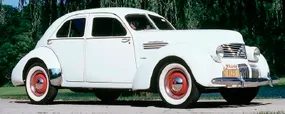
Відмова від виробництва автомобілів виявилася наймудрішим фінансовим рішенням, коли-небудь прийнятим Гремом. Поки галузь виборювала труднощі, Грем процвітав під час Другої світової війни, отримавши 20 мільйонів доларів від державних оборонних контрактів. Цей поворот визначив подальшу траєкторію розвитку компанії.
1944 року фірма придбав Джозеф У. Фрейзер. В результаті з’явився автомобіль Frazer, який у модельних роках 1946 і 1947 років продавався під брендом Graham-Paige. Ці автомобілі не сходили з конвеєра старого заводу в Дірборні. Натомість їх виробляли на заводі Kaiser у Віллоу-Рані. Цей перехід ознаменував відчутну зміну виробничих основ підприємства.
До початку 1947 року Graham-Paige продала свої автомобільні активи компанії Kaiser-Frazer. Вихід було завершено. Проте компанія на цьому не зупинилася. 1952 року вона також припинила виробництво сільськогосподарської техніки.
Потім G-P виключила слово Motors зі своєї назви. Компанія стала закритою інвестиційною корпорацією.
Куди пішли гроші? Пізніше фірма управляла Медісон-Сквер-Гарден. Вона мала кілька професійних спортивних команд Нью-Йорка. Ці підприємства виявилися набагато прибутковішими, ніж будь-коли було виробництво автомобілів.
Детальніше про desaparecidos американських автомобілів див.:
-
AMC
-
Duesenberg
-
Oldsmobile
-
Plymouth
-
Studebaker
-
Tucker