Emmanuel Macron campaigned on a specific promise for the 2022 presidential election: make electric vehicles accessible to low-income households. The mechanism he proposed was a long-term rental scheme capped at €100 per month. Scheduled for launch in early 2023, the initiative is dragging its feet. The government now claims it will land before the year ends, but the delays are structural, not just administrative.
The bottleneck is clear. The state wants to prop up French manufacturers, but those domestic players are failing to produce enough affordable electric city cars. We are looking at a market mismatch where supply doesn’t meet the price point required for social housing-level accessibility.
The Chinese Elephant in the Room
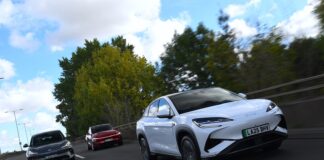
Here is the friction point. The cheapest electric car on the market today is the Dacia Spring. It costs less than almost anything else in its class. It also cannot qualify for this state-backed lease plan. Why? Because it is manufactured in China.
If the government opened the program to non-European Union brands tomorrow, Chinese manufacturers would sweep the board. Their pricing is too aggressive for domestic makers to match without subsidies. By restricting the scheme to French and European brands, the state is trying to force a hand. They have pledged to fund 100,000 vehicles annually with a €50 million budget specifically to incentivize domestic production of low-cost EVs.
It is a protectionist maneuver disguised as a social benefit. The result is that the most affordable option for the average consumer is excluded from the subsidy.
Who Actually Qualifies?
To hit that magical €100 monthly price tag, the state covers the difference between the market rental rate and the subsidized cost. But the eligibility criteria are still being finalized. One major variable is missing: the income ceiling.
Current speculation suggests the threshold might align with the existing ecological bonus requirements. That means a fiscal income of €14,089. This number is critical. It defines exactly who gets the discount and who doesn’t.
The program isn’t just for salaried employees. It extends to self-employed professionals and potentially young drivers. However, the restrictions are tight.
The Fine Print of the Lease
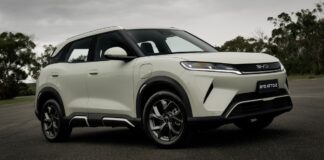
Assuming the framework holds, the terms are designed for budget city cars priced around €25,000. You are not getting a Tesla. High-end EVs are excluded from the subsidy entirely due to the brand and price restrictions.
The commitment comes with strings attached:
– A three-year lease duration.
– A maximum annual mileage of 15,000 kilometers.
This is not a scheme for luxury buyers or heavy commuters. It is calibrated for urban dwellers needing basic, zero-emission transport who operate well below the median income. The state is essentially renting out its €50 million to keep European factories alive while offering a lifeline to lower-income drivers.
Whether it works remains to be seen. The manufacturers have to deliver the cars. The government has to define the income caps. And the drivers have to accept the mileage limits. Until then, the €100 EV lease remains a promise in the wind.